Mastering Bitcoin Bitnodes
Introduction to Bitcoin Nodes
The Network's Guardians
The Bitcoin network is often described as a decentralized digital ledger. But what holds this network together? The answer is nodes.
A Bitcoin node is simply a computer running the Bitcoin software that connects to other computers doing the same thing. Together, they form a peer-to-peer network that constantly communicates to maintain a single, shared source of truth: the blockchain.
Think of nodes as independent auditors for the entire Bitcoin system. Each one keeps a copy of the ledger and follows a strict set of rules to check new transactions. If someone tries to spend bitcoins they don't have, the nodes will reject the transaction, protecting the integrity of the network for everyone.
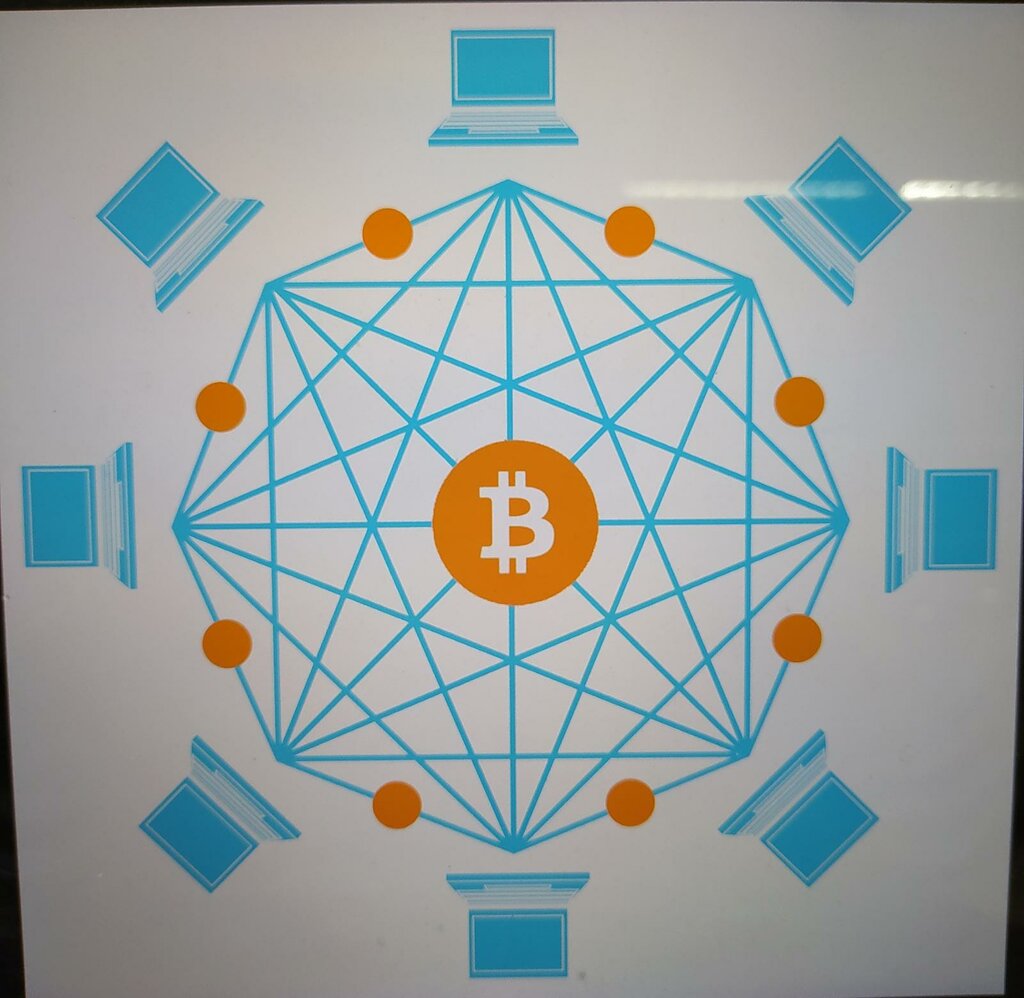
This structure is what makes Bitcoin decentralized. There's no central server or single point of failure. Instead, thousands of nodes work in concert to verify information, ensuring the system remains secure and trustworthy without needing a bank or government in the middle.
Nodes are the essential elements to ensure the decentralized aspect of any blockchain network.
Full Nodes vs. Lightweight Nodes
Not all nodes are created equal. They perform different roles based on their capabilities and purpose. The two most common types are full nodes and lightweight nodes.
Full nodes are the backbone of the Bitcoin network. They download and validate every transaction and block, starting from the very first one in 2009. By holding the entire history of the blockchain, a full node can independently verify any piece of information without trusting anyone else.
A lightweight node, sometimes called a thin client or SPV (Simplified Payment Verification) client, is a more streamlined version. Instead of downloading the entire blockchain, which requires hundreds of gigabytes of storage, it only downloads block headers. A block header is like a summary of a block, containing key information but not all the transaction details.
Lightweight nodes rely on full nodes to provide information about specific transactions. This makes them much faster and less resource-intensive, which is ideal for running on phones or laptops. However, this convenience comes with a trade-off: they must trust the full nodes they connect to.
| Feature | Full Node | Lightweight Node |
|---|---|---|
| Storage | Very High (Entire Blockchain) | Very Low (Block Headers Only) |
| Security | Highest | Relies on Full Nodes |
| Independence | Fully Independent | Trusts Full Nodes |
| Common Use | Enforcing network rules | Everyday wallet apps |
How Nodes Keep the Network in Sync
The core functions of a node are to validate transactions and propagate information across the network. This process ensures every participant has an up-to-date and accurate copy of the ledger.
When you send a Bitcoin transaction, your wallet broadcasts it to a few nodes it's connected to. Each node that receives it performs a series of checks. Does the sender have enough funds? Is the digital signature valid? If the transaction passes all the checks, the node forwards it to other nodes it knows. This ripple effect quickly spreads the transaction across the entire global network, usually within seconds.
This process is called block propagation. Miners bundle these valid transactions into a new block. Once a miner finds a block, they broadcast it to the network. Nodes then receive the block, verify its validity and all the transactions within it, and add it to their copy of the blockchain. They then pass it along to their peers. This is how the chain grows and how the entire network stays synchronized on the same version of the ledger.
Through this constant cycle of validation and propagation, nodes enforce Bitcoin's rules and maintain consensus, making the network incredibly secure and resilient to attack.
Ready to test what you've learned about the guardians of the Bitcoin network?
What is the primary role of a Bitcoin node in the network?
The process where nodes receive a new block, verify it, add it to their ledger, and pass it on to other nodes is called ______.
Nodes are a fundamental part of what makes Bitcoin work. By validating transactions and maintaining the shared ledger, they ensure the network remains decentralized, secure, and reliable for everyone.