Mastering Bespoke Women's Tailoring
Female Pattern Manipulation
Shaping the Bodice
Creating a tailored garment for the female form starts with managing three-dimensional curves on a two-dimensional plane. The primary tool for this is the bust dart. It's not just a tuck in the fabric; it's a carefully calculated wedge that transforms a flat pattern into a shape that accommodates the bust. Once you have a basic bodice block that fits, the real design work begins with dart manipulation — the process of moving this shaping to different locations on the pattern piece without altering the overall fit.
The key principle is that the dart point must always aim towards the bust apex, even if it stops a couple of centimetres short. This ensures the garment shapes correctly over the fullest part of the bust.
The most common method for moving a dart is called 'slash and spread'. You decide where you want the new dart to be, draw a line from that position to the bust apex, and cut along it. Then, you simply close the original dart, which causes the slash line to open up, forming the new dart. This allows you to rotate the bust dart to the shoulder, the neckline, the armhole, or even the centre front, depending on the desired design.
From Darts to Style Lines
While moving darts is useful, you can also transform them completely. A sophisticated way to incorporate bust and waist shaping is by converting the darts into s. These are style lines that typically run from the armhole or shoulder, through the bust apex, and down to the hem. They absorb the dart shaping into a single, flattering seam, creating a long, vertical line that visually elongates the torso.
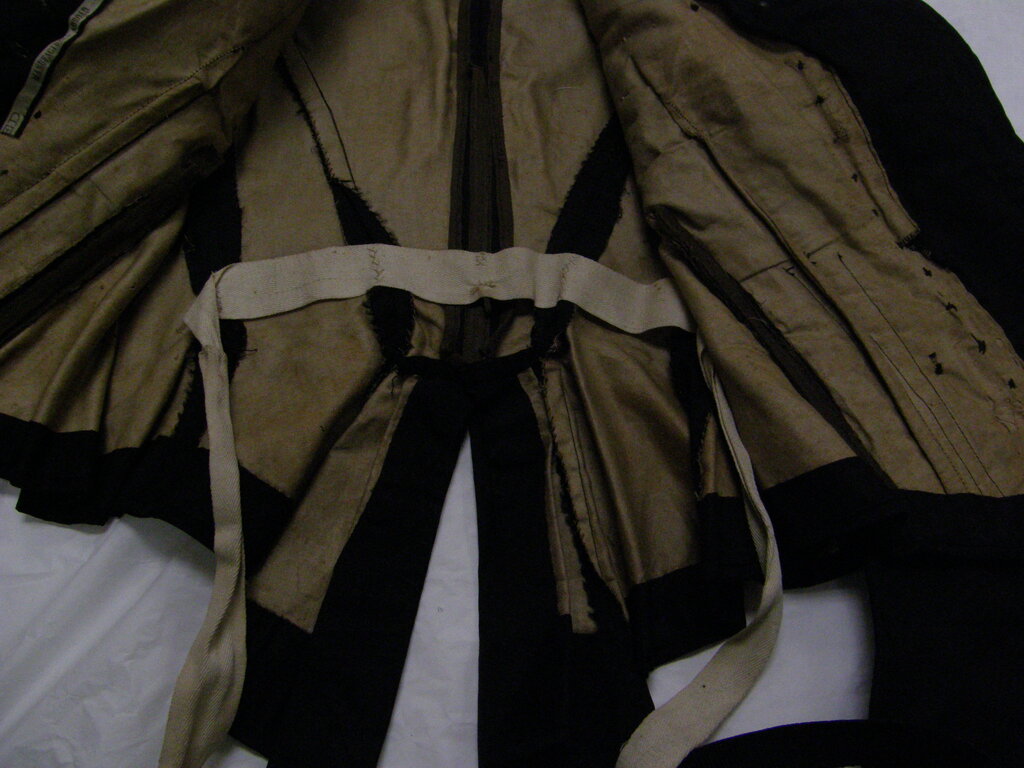
To draft a princess seam, you connect the points of the bust and waist darts with a smooth curve that passes through the bust apex. You then cut the pattern into two pieces along this new line—a centre front panel and a side front panel. By separating the pieces, you remove the dart 'wedges' entirely. When sewn together, these curved pieces create the three-dimensional shape needed for the bust.
Perfecting the Fit
Beyond the bust, achieving a bespoke fit involves considering posture and proportion. The length of a jacket, for instance, dramatically affects the overall silhouette. A shorter, cropped jacket can define the waist, while a longer line can create a sense of height. There are no hard rules, only proportions that complement the individual's shape and the style of the garment.
The back of the garment requires equal attention. Adjustments for prominent shoulder blades or a rounded upper back are common. This might involve adding a back shoulder dart or increasing the length and width across the upper back pattern piece to allow for more movement and prevent the fabric from pulling. The angle at which the sleeve is set into the armhole, known as the , is also critical for comfort and a clean drape, and often needs adjustment for different postures.
Always make a toile, or muslin mock-up, of your pattern. It's the only way to truly test the fit and balance of a tailored garment before cutting into your final fabric.
The Art of the Collar
A tailored collar should roll smoothly around the neck, not sit flat or stand away from the body. This effect is achieved through careful drafting of the under-collar and top-collar. These two pieces are not identical. The under-collar is drafted slightly smaller than the top-collar.
This difference in size forces the seamline to sit slightly underneath the finished collar, creating a clean, sharp edge. This is known as 'turn of cloth'. The under-collar is often cut on the bias to help it conform to the curve of the neck, and it's this piece that determines the collar's 'roll line' — the soft fold where the lapel turns back. Mastering this technique is essential for achieving a professional, high-quality finish on any jacket or coat.
Time to test your knowledge of pattern manipulation.
What is the primary purpose of the 'slash and spread' method in pattern drafting?
In tailoring, converting bust and waist darts into a single, curved seam that runs from the shoulder or armhole down to the hem creates what feature?
These principles form the foundation of advanced pattern drafting. By moving beyond the basic block, you can create garments that are not only well-fitting but also elegantly designed.