Mastering Behavioral Interviews Through Culture Analysis
Understanding Company Culture
What Is Company Culture?
Think of company culture as an organization's personality. It’s the shared set of values, beliefs, and practices that shape how people behave and work together. It's the unspoken 'way things are done around here.'
Culture isn't just about free snacks or office parties. It's the underlying force that guides everything from how decisions are made to how people communicate with one another. A company with a strong culture has a clear identity that everyone understands and lives by. It influences employee morale, engagement, and overall performance.
Culture is the sum of all the attitudes, customs, and beliefs that distinguishes one group of people from another.
Just like a person's personality, a company's culture is made up of several distinct parts that work together. Understanding these components helps you see the complete picture of what it's like to work there.
The Building Blocks of Culture
Company culture is a complex mix of visible and invisible elements. While you might notice the office layout or dress code right away, other parts are less obvious but just as important. Let's break down the key components.
Mission Statement
A company's mission is its reason for existing. It declares the organization's purpose and what it aims to achieve. A clear mission gives employees a sense of direction and unites them toward a common goal. For example, a software company's mission might be 'to simplify complex data for everyone.'
Core Values
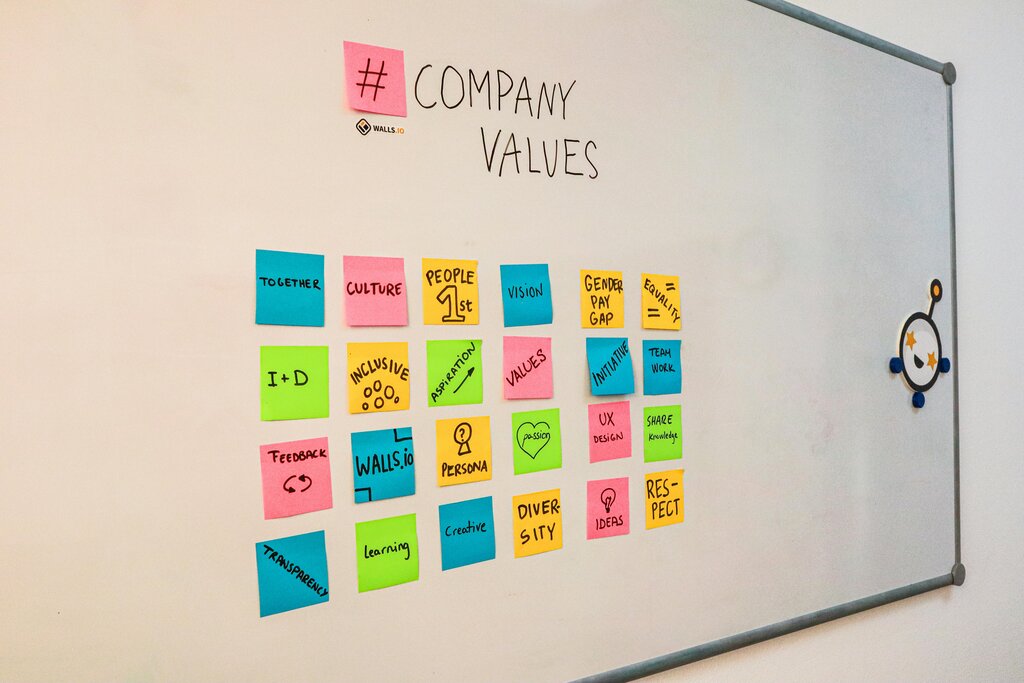
Core values are the guiding principles that dictate behavior and action. They are the company’s moral compass. Values like 'customer obsession,' 'integrity,' or 'innovation' tell employees what is most important to the organization and set expectations for how they should conduct themselves.
Work Environment
The work environment includes the physical and social aspects of the workplace. This can range from the office layout (open-plan vs. cubicles), the degree of formality in dress and interaction, to policies on remote work and flexible hours. A fast-paced, high-pressure environment feels very different from a relaxed, collaborative one.
Communication Styles
How information flows within a company is a huge part of its culture. Is communication formal and hierarchical, with information passed down from leadership? Or is it open and transparent, with employees encouraged to share ideas freely across teams and levels? The tools used, such as email, instant messaging, or regular all-hands meetings, also reflect the company's communication style.
Why Culture Matters
A strong, positive culture isn't just a 'nice to have.' It's a critical factor in a company's success. When employees feel connected to the company's mission and values, they are more motivated, productive, and likely to stay with the organization long-term. This reduces turnover and helps attract top talent.
Culture also drives performance. A culture of innovation encourages creative problem-solving, while a culture focused on collaboration fosters teamwork and breaks down silos between departments. Ultimately, a healthy culture creates an environment where both employees and the business can thrive.
Company culture means transparency and leadership support for this health care director, but you might prioritize different criteria – collegial support, overall team spirit, company mission.
Understanding a company's culture is key to knowing whether it's a place where you can do your best work. It's about finding an environment that aligns with your own values and work style.
Which of the following best describes a company's culture?
A company's __________ is its reason for existing and declares its ultimate purpose.
By grasping these core ideas, you have a solid framework for thinking about what makes a company tick. This knowledge is the first step in analyzing any organization's unique personality.