Mastering Basic Japanese Conversation
Japanese Writing Systems
Three Scripts, One Language
When you look at a Japanese sentence, you're often seeing three different writing systems working together. It might look complex, but each script has a specific job. Think of them as different tools in a toolbox.
The three scripts are Hiragana (ひらがな), Katakana (カタカナ), and Kanji (漢字). Hiragana and Katakana are phonetic, meaning each character represents a sound, much like the letters in the English alphabet. Kanji are different; they are logographic characters borrowed from Chinese, where each symbol represents an idea or a word.
A single sentence can use all three. For example: 私はコーヒーを飲みます。(Watashi wa kōhī o nomimasu.) This means "I drink coffee."
• 私 (watashi) and 飲 (no) are Kanji. • は (wa) and を (o) are Hiragana. • コーヒー (kōhī) is Katakana.
Don't worry about understanding that sentence just yet. The key takeaway is seeing how the scripts cooperate. To start reading and writing, you first need to master the two phonetic scripts, collectively known as kana.
Start by focusing on Hiragana and Katakana, collectively known as Kana.
Meet the Kana
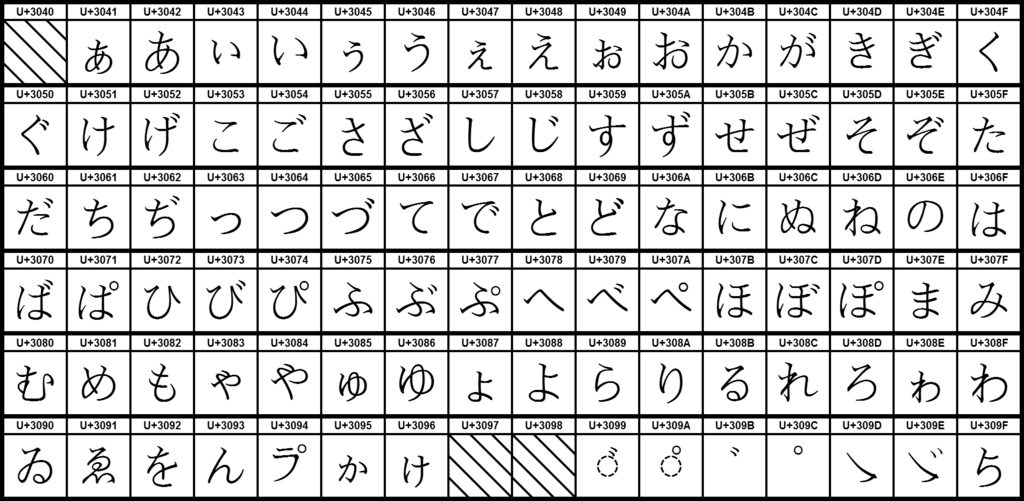
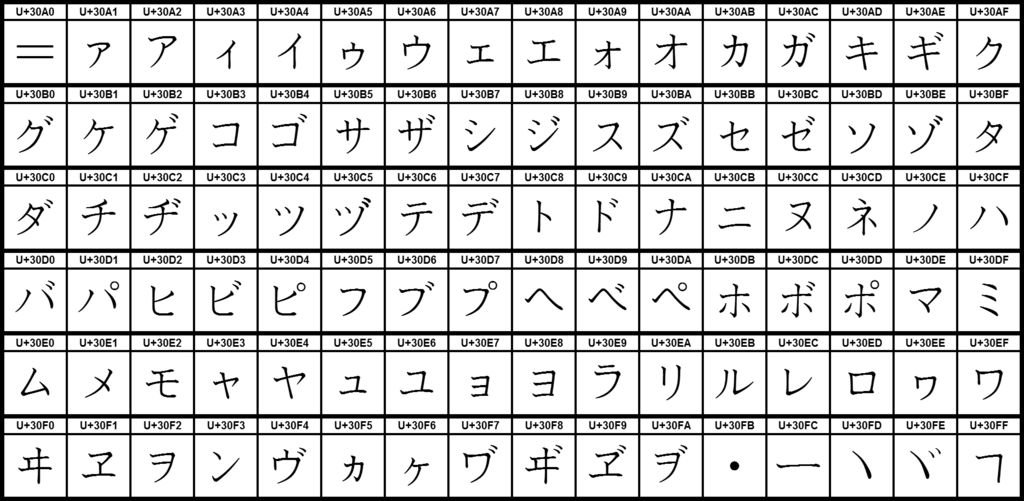
Hiragana and Katakana are the foundational building blocks of written Japanese. They form a syllabary, which means each character corresponds to a syllable. For instance, the character か (ka) represents the sound of 'k' and 'a' combined. There are 46 basic characters in each script, and they represent the exact same set of sounds. The only difference is how they look and when you use them.
Hiragana: The Native Script
Hiragana characters are curvy and flowing. This script is the backbone of Japanese grammar. You'll use it for grammatical particles (words that show the relationship between other words), verb and adjective endings, and native Japanese words that don't have a common kanji representation.
Katakana: The Foreigner's Script
Katakana characters are sharp and angular. This script is primarily used for words borrowed from other languages. For example, the English word "computer" becomes コンピューター (konpyūtā) in Japanese. You'll also see Katakana used for onomatopoeia (sound words), scientific names, and for adding emphasis, much like italics in English.
Think of it this way: Hiragana is for the grammatical glue and native words, while Katakana is for everything that sounds a bit foreign or needs to stand out.
Pronunciation and Practice
One of the best things about Japanese is its consistent pronunciation. Once you learn the sound for a kana character, it almost never changes. The entire system is built on five core vowel sounds.
| Vowel | Pronunciation |
|---|---|
| あ (a) | Like the 'a' in "father" |
| い (i) | Like the 'ee' in "see" |
| う (u) | Like the 'oo' in "blue" |
| え (e) | Like the 'e' in "get" |
| お (o) | Like the 'o' in "so" |
Most other kana are formed by combining a consonant with one of these vowels. For example, the 'k' row is か (ka), き (ki), く (ku), け (ke), こ (ko). Learning these five vowel sounds is the first step to pronouncing almost any Japanese word correctly.
When you start writing, following the correct stroke order is important. Each character is drawn with a specific sequence of strokes. It's not just about tradition—it helps with character recognition, speed, and balance, making your handwriting legible and look natural.
A Glimpse at Kanji
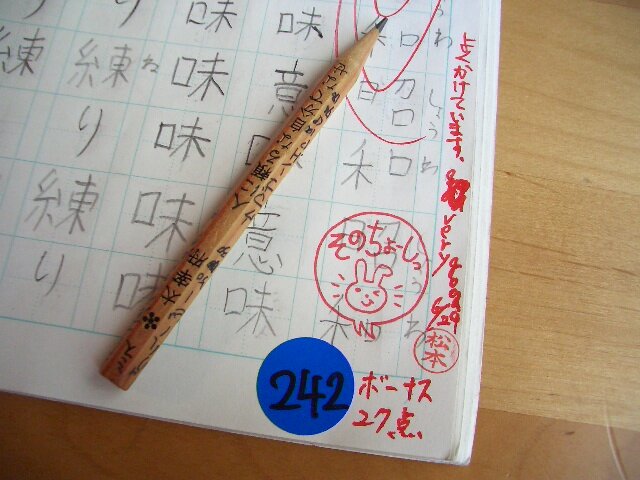
Finally, we have Kanji (漢字), which literally means "Han characters." These are the complex characters borrowed from Chinese writing. Unlike kana, which represent sounds, kanji represent ideas. For example, the kanji for water is 水, and the kanji for mountain is 山.
There are thousands of kanji in use, but you only need to know around 2,000 for daily literacy. They form the core vocabulary of the language, such as nouns, verb stems, and adjective stems. Hiragana is then used to add grammatical endings.
For example, the verb "to see" is 見る (miru). The kanji 見 represents the concept of "seeing," and the hiragana る provides the grammatical ending. You don't need to memorize kanji right away, but it's good to recognize them and understand their role in the language.
Learning the Japanese writing systems is a journey. Start with the kana. By mastering Hiragana and Katakana, you'll build a solid foundation that makes learning vocabulary, grammar, and eventually kanji much more manageable.
What is the primary role of Hiragana in a Japanese sentence?
If you were to write the English word "coffee" in Japanese, which script would you use?