Mastering Basic Greetings
Understanding Greetings
More Than Just Hello
Saying hello seems simple, but it's one of the most important things we do. Greetings are the first step in any conversation. They are more than just words; they are tools for building social connections. Think of a greeting as an invisible handshake that opens the door for communication.
Linguists call these types of phrases "phatic expressions." That's a fancy term for language that serves a social function rather than conveying specific information. When you ask, "How's it going?" you're not usually looking for a detailed report on someone's day. You're signaling that you see them and are open to interacting.
The main purpose of a greeting isn't to exchange information, but to establish a bond and acknowledge another person's presence.
Every language has its own unique ways to say hello. This diversity shows how different cultures approach social interaction.
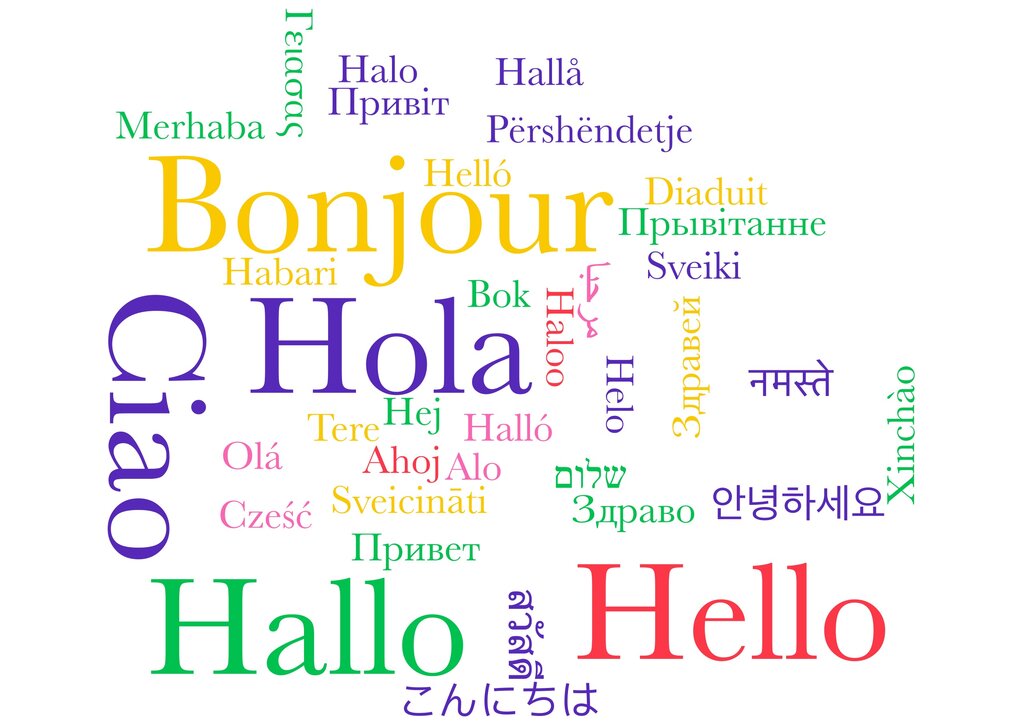
Let's look at a few common greetings from around the world.
Hello
This is a standard, friendly greeting used throughout the Spanish-speaking world.
Good day
In French, Bonjour is a polite and versatile greeting appropriate for almost any situation during the daytime.
You good
This is the most common greeting in Mandarin Chinese, literally translating to "you good."
A Cultural Handshake
Greetings are deeply tied to culture. They reflect social norms, values, and the level of formality expected in a situation. How you greet your best friend is likely very different from how you would greet your boss or a respected elder. Some cultures have strict rules about who can greet whom first, while others are more relaxed.
The gesture that accompanies a greeting is also important. A handshake, a nod, a bow, or a wave can all be part of saying hello. In Japan, for instance, a bow is a common way to show respect, and its depth can indicate the level of formality. In the United States, a firm handshake is often seen as a sign of confidence.

Choosing the right greeting shows cultural awareness and respect, making for smoother conversations.
Understanding these nuances helps prevent misunderstandings. A casual "What's up?" might be perfectly fine between friends in an informal setting, but it could be seen as disrespectful in a more formal context or in a culture that values politeness and hierarchy.
Setting the Tone
The way we greet someone sets the tone for the entire interaction that follows. A warm, friendly greeting can make people feel comfortable and welcome. A formal greeting can signal respect or create a professional atmosphere. A rushed or mumbled hello might suggest you're busy or uninterested.
Because greetings are the first impression you make, mastering them is a key step in learning any new language. They are the foundation upon which conversations are built. By learning how to say hello appropriately, you're not just learning words; you're learning how to connect with people.
Let's review what we've learned about the power of a simple greeting.
What is the linguistic term for language that serves a social function, like saying "hello," rather than conveying specific information?
Why might you use a different greeting for a respected elder than for a close friend?
Greetings are a small but powerful part of human communication, opening the door to connection across cultures.