Mastering Basic Greetings
Common Greetings
Starting a Conversation
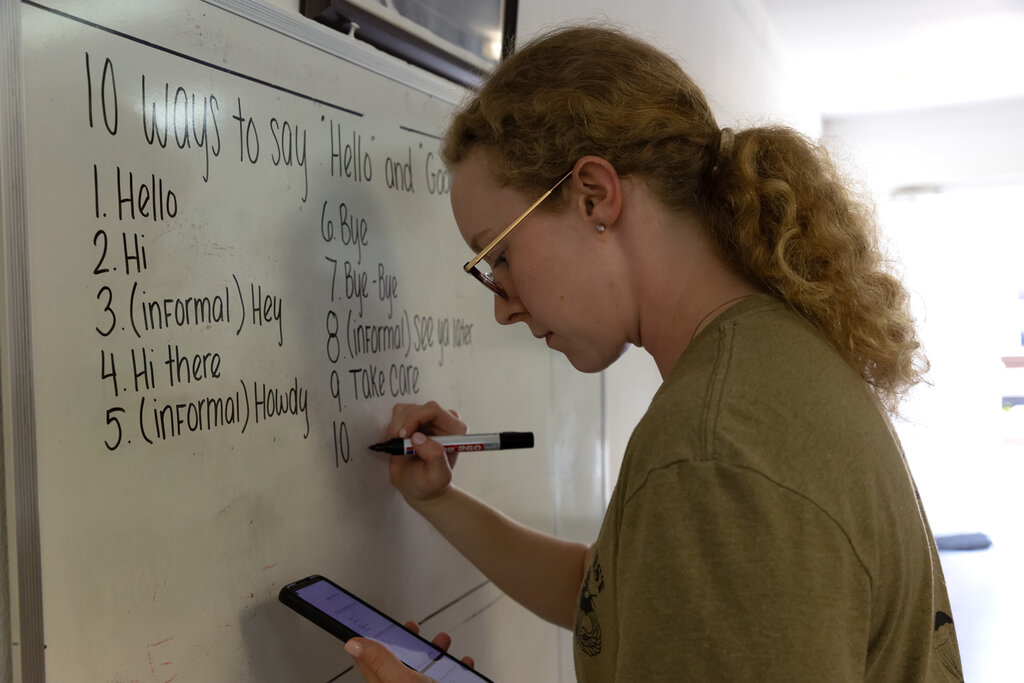
The first thing you learn in a new language is usually how to say hello. A simple greeting is the key that unlocks every conversation. It's the first step to connecting with someone, whether you're asking for directions, ordering a coffee, or making a new friend.
What’s the first thing you usually learn when learning a new language? Greetings!
Mastering a few basic greetings shows respect and opens the door to more meaningful interactions. It signals that you're making an effort to engage with the local culture.
Formal vs. Informal
How you greet someone often depends on your relationship with them and the situation you're in. Most languages have different greetings for formal and informal contexts.
Formal greetings are used with people you don't know, elders, or those in positions of authority, like a boss or a teacher. They're common in professional settings. Informal greetings are for friends, family, and people your own age.
When in doubt, it's always safer to start with a formal greeting. You can switch to a more casual one if the other person does.
For example, in English, "Hello" is a neutral greeting that works in most situations. "Good morning" is slightly more formal. Informal greetings like "Hey" or "What's up?" are best saved for people you know well.
Greetings by the Clock
Many languages also have greetings that change depending on the time of day. Using the right one shows you're paying attention. These are generally considered polite and can be used in both formal and informal settings.
| Time of Day | Common Greeting |
|---|---|
| Morning (until noon) | Good morning |
| Afternoon (noon to ~6 PM) | Good afternoon |
| Evening (~6 PM onward) | Good evening |
While "Good night" might seem like an evening greeting, it's typically used to say goodbye before going to sleep, not to start a conversation.
Beyond the Words
Greetings aren't just about what you say. Body language plays a huge role and varies widely across cultures. A handshake might be standard in one country, while a bow is customary in another. In some places, friends greet each other with a kiss on the cheek.
Observing how locals greet each other is the best way to learn. A friendly smile and direct eye contact are welcomed in many cultures, but this isn't universal. Being aware of these non-verbal cues is just as important as pronouncing the words correctly.

As you begin your language journey, paying attention to these cultural details will help you communicate with confidence and respect.
Time to check what you've learned.
In which of the following situations would a formal greeting be most appropriate?
The phrase 'Good night' is generally used to start an evening conversation.
Great work! You've taken the first and most important step in learning how to start a conversation in a new language.