Mastering Basic Greetings
Basic Greetings
The First Word
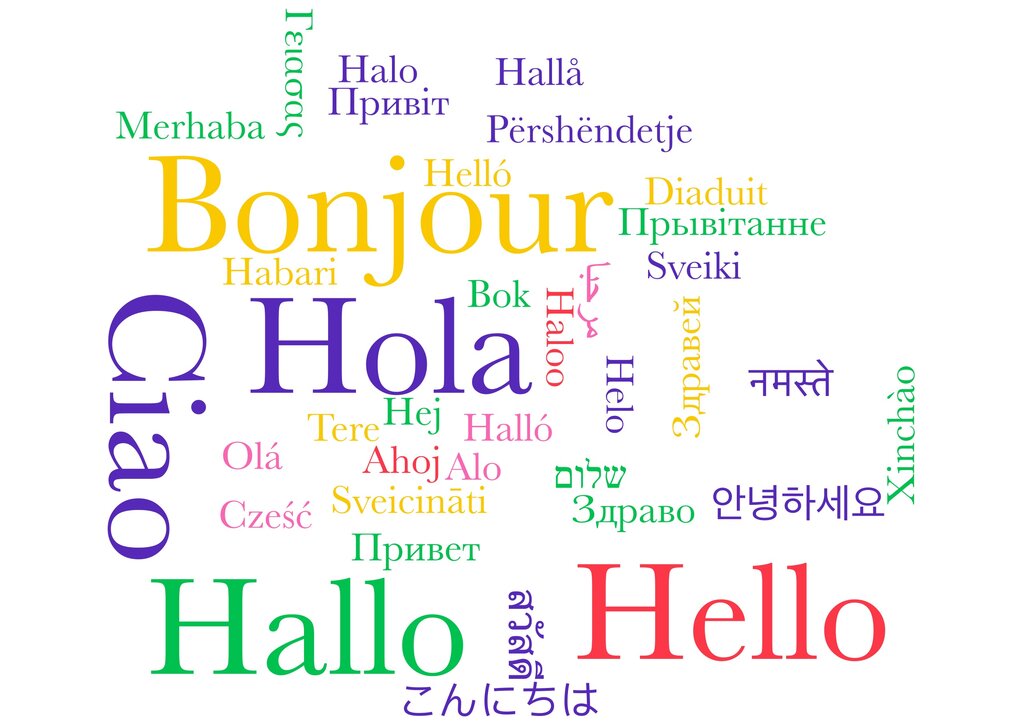
Every conversation starts somewhere. A simple greeting is the key that unlocks a new interaction. It’s often the very first thing people learn in a new language, and for good reason. It shows respect and an openness to connect.
What’s the first thing you usually learn when learning a new language? Greetings!
Greetings aren't one-size-fits-all. The way you greet a close friend is different from how you'd greet a new boss or an older person you've just met. This is the difference between informal and formal language. Using the right one shows you understand the social context, which is just as important as knowing the words themselves.
Formal vs. Informal
Think of formal greetings as the equivalent of a handshake. You use them in professional settings, with people you don’t know, or with those who are older than you. They create a respectful distance.
Informal greetings are more like a friendly wave or a hug. They're reserved for friends, family, and people you know well. Using an informal greeting in a formal situation can sometimes come across as too casual or even disrespectful.
A good rule of thumb: when in doubt, start with a formal greeting. It’s always safer to be too polite than not polite enough.
Let’s look at a common example. In Spanish, "Hola" is a general, all-purpose "hello" that leans informal. You can use it with almost anyone, but in a very formal setting, you might choose a more specific greeting.
Hello
Greetings by the Clock
Many languages have greetings that change depending on the time of day. These are often more formal than a simple "hello" and can be used in almost any situation. They directly translate to phrases we use in English every day.
Good morning
This is your go-to greeting from when you wake up until noon.
Good afternoon
Use this from midday until the sun starts to set.
Good evening / Good night
This one is interesting because it works for both "good evening" and "good night." You can use it to greet someone when you arrive at a restaurant for dinner, and also to say goodbye as you head to bed.
Putting It Together
Understanding when to use each greeting is key. Here’s a quick guide to help you choose the right one based on the situation.
| Situation | Best Greeting (Spanish) | Formality |
|---|---|---|
| Meeting a friend for coffee | Hola | Informal |
| Arriving at a business meeting at 10 AM | Buenos días | Formal |
| Greeting an older neighbor in the afternoon | Buenas tardes | Formal |
| Entering a party at 9 PM | Buenas noches | Formal/Neutral |
| Texting a family member | Hola | Informal |
Don't stress too much about getting it perfect right away. Pronunciation will improve with practice. The most important thing is to try. People almost always appreciate the effort to speak their language, even if it’s just a simple hello.
Ready to check your understanding? Let's try a few questions.
When meeting a new boss for the first time, which type of greeting is generally most appropriate?
According to the text, using the right greeting for a given situation primarily shows that you...
Mastering these basic greetings gives you the perfect starting point for any conversation. It’s a small step that makes a big difference.