Mastering Basic Greetings
Common Greetings
The First Word
Every conversation starts somewhere. Usually, it's with a simple greeting. Learning how to say hello is your first step into a new language and culture. It’s more than just a word; it’s a way to open a door and connect with someone.
But not all greetings are the same. The one you choose can depend on who you're talking to, the time of day, or the situation you're in. Getting these small details right shows respect and makes a great first impression.
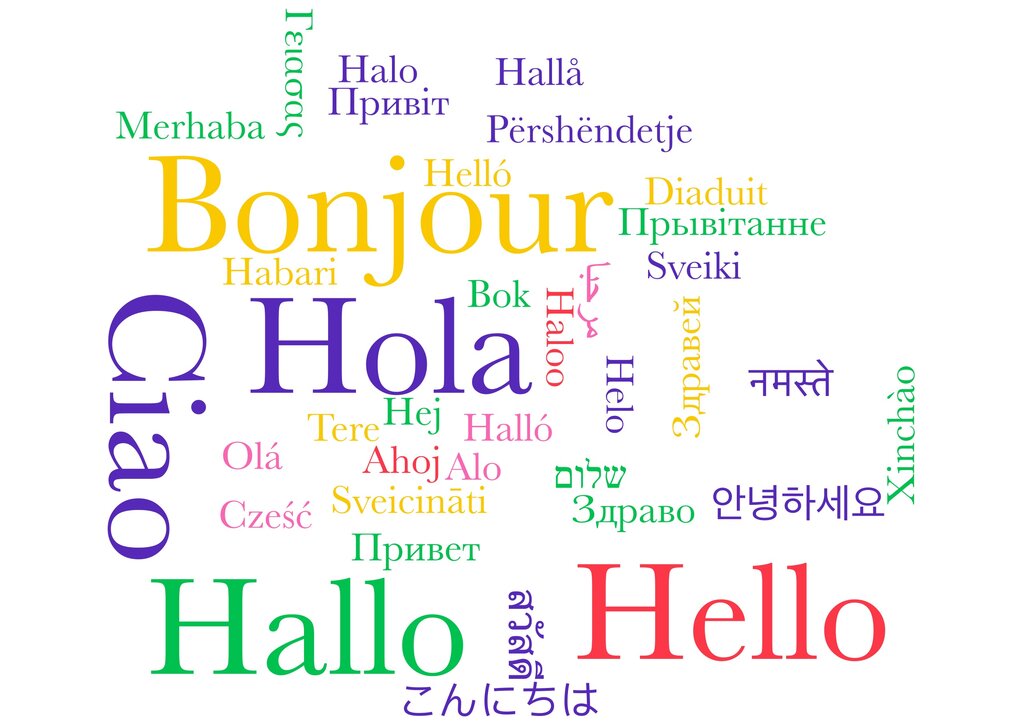
Formal vs. Informal
Think about how you greet people in your own language. You probably don't greet your best friend the same way you'd greet your boss or a stranger. Many languages have this same distinction between formal and informal greetings.
Formal greetings are for people you don't know, people who are older than you, or for professional situations like an office or a store. They are a sign of respect.
Informal greetings are for friends, family, and people your age. They're relaxed and friendly.
Using the wrong level of formality can sound a bit strange. It’s like wearing a tuxedo to the beach. You can get your message across, but it might feel out of place.
It’s a good rule of thumb to start with a formal greeting if you're ever unsure. It’s always safer to be a little too polite than too casual. Here’s a general guide:
| Situation | Formality Level | Common Examples |
|---|---|---|
| Meeting a friend's parents | Formal | Good day, It's a pleasure to meet you. |
| Bumping into a friend | Informal | Hey, What's up? |
| At a job interview | Formal | Good morning. |
| Texting your sibling | Informal | Yo. |
A Greeting for Every Time of Day
Some greetings change depending on the clock. Just like in English, many languages have specific phrases for the morning, afternoon, and evening. Using the right one shows you're paying attention.
The lines can be a little blurry, but here is a simple way to think about it:
There’s usually a general, all-purpose "hello" that works any time of day. But using a time-specific greeting can make your speech sound more natural and thoughtful.
Listen and Repeat
Finally, pay close attention to how native speakers greet each other. Pronunciation is key. The most polite greeting can get lost if the words aren't clear. Listen to the melody and rhythm of the language.
Culture also plays a big role. In some places, a quick, efficient greeting is normal. In others, it's customary to ask about someone's family or well-being right after saying hello. As you begin, focus on getting the words right. The rest will come with practice and observation.
Start with simple greetings and everyday phrases.
Now that you know the basics of greetings, let's test your knowledge.
When meeting a new colleague at work for the first time, which type of greeting is most appropriate?
If you are unsure whether to be formal or informal, it is always safer to start with a more casual, informal greeting.
Mastering these simple phrases is the foundation for all future conversations. Keep practicing them!