Mastering Basic English Communication
English Sounds
The Building Blocks of Sound
When you look at a word, you see letters. But when you speak, you use sounds. In English, the relationship between letters and sounds can be tricky. The letter 'a' sounds different in 'cat,' 'father,' and 'able.' On the other hand, the 'ee' in 'see' and the 'ea' in 'sea' make the same sound.
This can be confusing. To make things clearer, linguists created a special alphabet where each symbol stands for exactly one sound. It's called the International Phonetic Alphabet, or IPA.
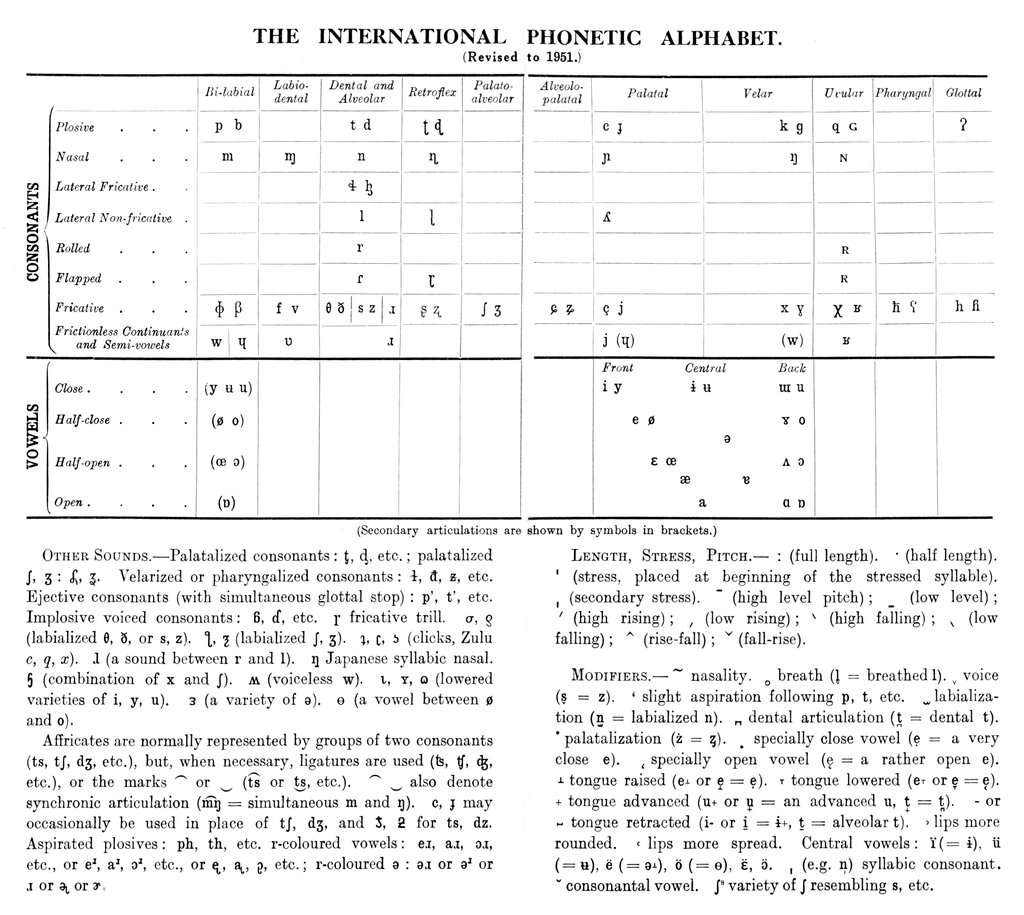
Using the IPA helps us talk about pronunciation without getting mixed up by spelling. You don't need to memorize the whole chart, but learning a few common symbols will make a big difference in how you hear and produce English sounds.
Vowel Sounds
Vowels are the open, flowing sounds that form the core of syllables. You make them by changing the shape of your mouth and the position of your tongue, without blocking the flow of air. Think about the sound in 'see' versus the sound in 'saw.' Your tongue and lips are in very different positions.
Let's look at a few common vowel sounds and their IPA symbols:
| Symbol | As in... |
|---|---|
| /i:/ | see, meat |
| /ɪ/ | sit, gym |
| /æ/ | cat, black |
| /ɑ:/ | father, hot |
| /u:/ | blue, food |
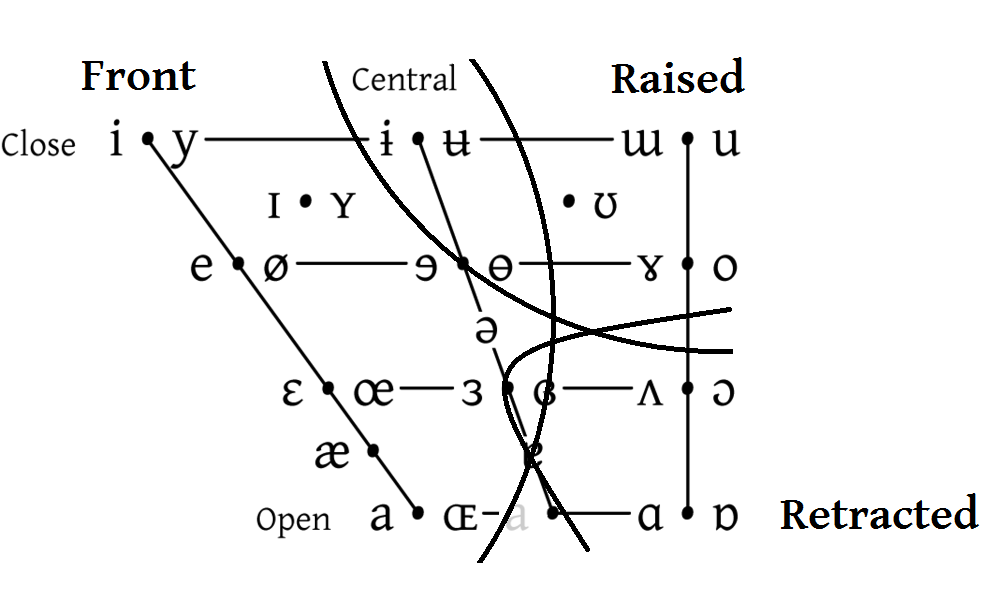
The position of your tongue—high or low, front or back—is what creates these different sounds. A vowel chart shows where in the mouth each vowel is produced.
Consonant Sounds
Consonants are sounds made by partially or completely blocking the airflow from your lungs. You use your tongue, teeth, or lips to create this obstruction. For example, to make the 'p' sound, you press your lips together and then release a puff of air. To make an 's' sound, you force air through a narrow channel made by your tongue and teeth.
Some English consonants have dedicated letters, like 'p', 't', and 'm'. Others are represented by combinations of letters or don't have a clear spelling rule.
| Symbol | As in... |
|---|---|
| /p/ | pat |
| /b/ | bat |
| /θ/ | think |
| /ð/ | this |
| /ʃ/ | she |
| /tʃ/ | chair |
Notice the two different sounds for 'th'. The symbol /θ/ is voiceless, like in 'think,' while /ð/ is voiced (your vocal cords vibrate), as in 'this.' Paying attention to these small details is key to clear pronunciation.
Pay attention to pronunciation: Listen carefully to how native speakers pronounce words and phrases.
Now let's review the sounds we've learned.
Ready to test your knowledge?
What is the primary purpose of the International Phonetic Alphabet (IPA)?
Which of the following best describes how a vowel sound is produced?
Understanding these basic sounds is the first step toward clear and confident English speech. The more you listen for them and practice making them, the more natural you will sound.