Mastering Ballet Techniques
Ballet Origins
An Art for Nobles
Ballet didn't start on a stage. It began in the lavish courts of the Italian Renaissance during the 15th and 16th centuries. These early forms of ballet were grand social events, not performances for a passive audience. Wealthy nobles would host spectacular entertainments that combined dance, music, poetry, and elaborate costumes. Courtiers themselves were the dancers, and the intricate, geometric floor patterns they created were designed to be viewed from above by other guests in balconies.
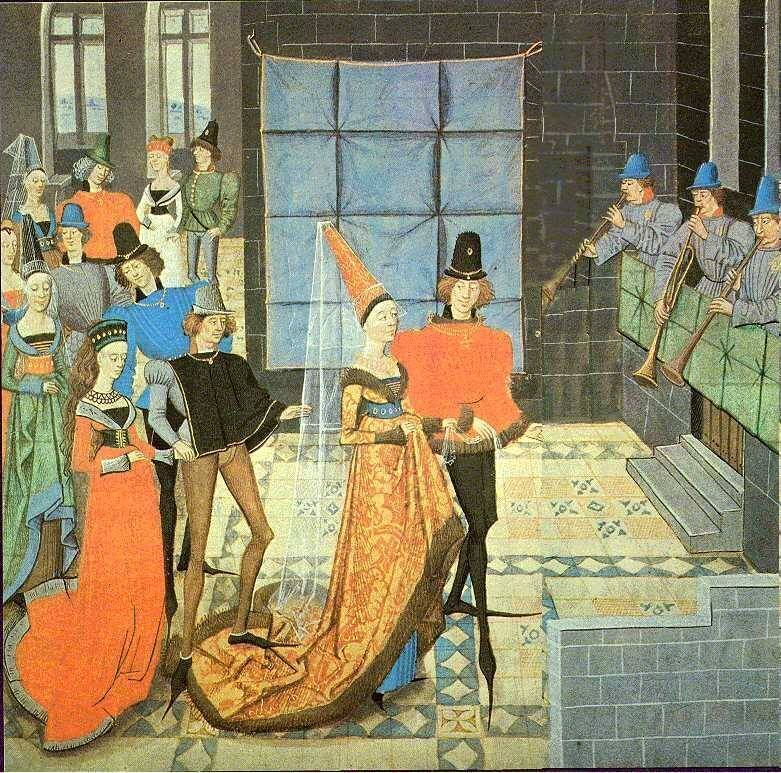
These events were less about athletic leaps and turns and more about social grace and political display. The dances were based on popular court dances of the time, refined and arranged into a larger spectacle. The term ballet itself comes from the Italian word ballo, which simply means "a dance."
Dance
The art form's journey from Italy to France, where it would truly flourish, was thanks to one influential figure: Catherine de' Medici. When the Italian noblewoman married the French King Henry II in 1547, she brought her love for these grand court spectacles with her. She funded lavish productions that dazzled the French court and solidified ballet's place as a premier form of royal entertainment.
One of her most famous productions, the Ballet Comique de la Reine (The Queen's Comic Ballet) in 1581, is considered by many historians to be the first true ballet. It was the first to weave dance, music, and design around a unified dramatic story.
France Takes the Lead
While Italy gave birth to ballet, France raised it. In the 17th century, King Louis XIV's passion for dance transformed it from a courtly pastime into a professional art form. An enthusiastic dancer himself, he performed in many ballets and understood the power of the arts to convey royal authority and grandeur.
In 1661, Louis XIV established the Académie Royale de Danse (Royal Academy of Dance). This was a pivotal moment. The academy's purpose was to codify the rules of dance, professionalizing it and ensuring high standards. This marked the shift from ballet as an amateur social activity to a discipline requiring rigorous training.
Codify
verb
To arrange rules or principles into a systematic code.
The academy's ballet master, Pierre Beauchamp, is credited with establishing the five basic positions of the feet. These positions, which organize the body and create a foundation for all other movements, are still the first thing every ballet student learns today. With a standardized vocabulary and technique, ballet was no longer just for nobles in a ballroom. It was ready for the theater.
By the end of the 17th century, what began as Italian court entertainment had become a uniquely French art form, complete with a professional school and a defined technical system. Ballet had moved from the palace to the public stage, setting the scene for centuries of artistic evolution.
Where did ballet originate?
Which royal figure was instrumental in transforming ballet from a courtly pastime into a professional art form by establishing the Académie Royale de Danse?