Mastering Badminton Basics
Grip and Stance
Gripping the Racket
Before you can hit a shuttlecock, you need to hold the racket correctly. A proper grip isn't just about holding on tight; it's about control, power, and preventing injury. A relaxed, flexible grip allows for quick wrist action, which is where most of your power comes from. If your grip is wrong, you'll struggle with consistency and might have to relearn it later.
Learn to grip your racket properly as it will influence your gameplay.
The two primary grips you'll use are the forehand and backhand. Think of the forehand grip as your default setting.
To get the forehand grip, imagine you're shaking hands with the racket handle. Your thumb and index finger should form a 'V' shape along the top of the handle. Don't clench it like a fist. Keep your fingers slightly spread and relaxed. This grip is used for most shots on your racket side, like smashes and clears.
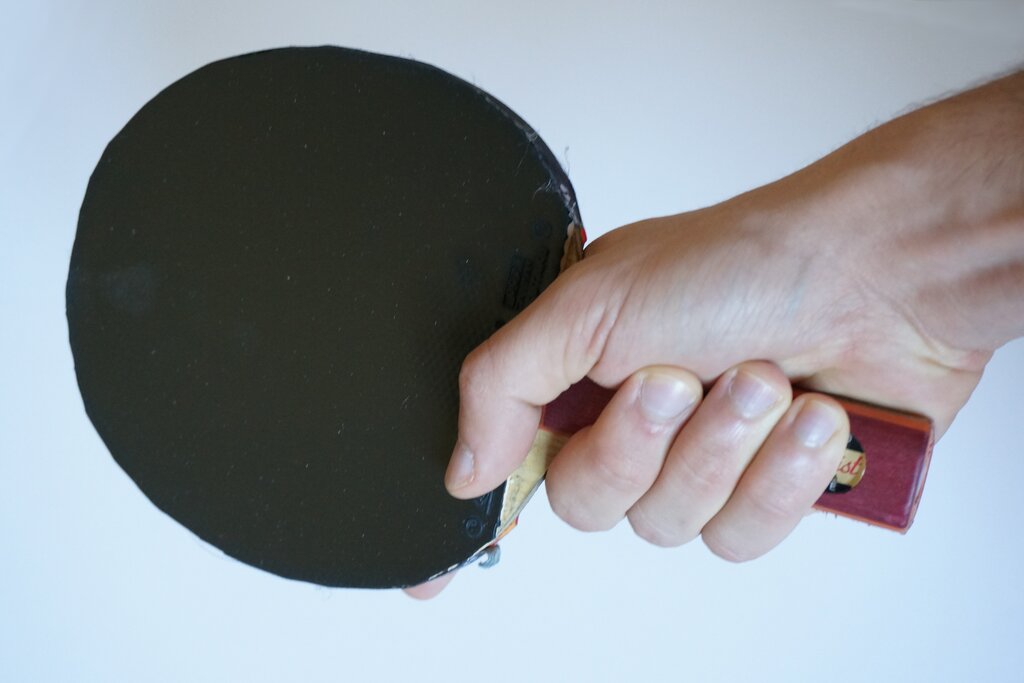
For shots on your non-racket side, you'll switch to the backhand grip. It's a quick and subtle shift from the forehand grip. Simply rotate your hand slightly and press your thumb flat against the wide part of the handle. This thumb placement gives you the leverage to push the shuttlecock with power and precision.
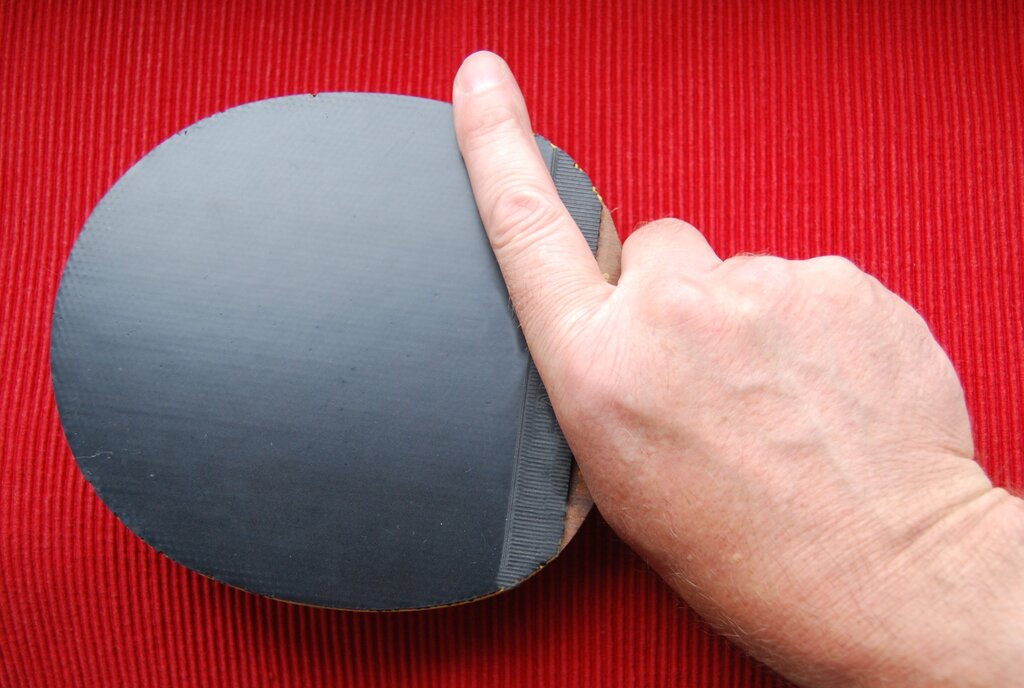
Switching smoothly between these two grips is a fundamental skill. You won't have time to think about it in a fast-paced rally, so it needs to become second nature. Practice rotating the racket in your hand, feeling the difference between the forehand V-shape and the flat thumb of the backhand.
Being able to transition your forehand and backhand grip means better accuracy and faster returns.
Your Stance on the Court
Once you have the grip down, your body position is the next piece of the puzzle. How you stand on the court dictates how quickly you can move and react. The foundation for all movement is the ready position.
The ready position is your neutral stance, preparing you to move in any direction. Stand with your feet shoulder-width apart, knees slightly bent, and your weight on the balls of your feet. Hold your racket up and in front of you, around chest height. This keeps you balanced and ready to spring into action.
From the ready position, you'll shift into more specific stances depending on the situation. When you're preparing to hit an overhead shot like a smash, you'll use an attacking stance.
For the attacking stance, turn your body sideways to the net. Your non-racket foot should be forward, and your racket foot back. Raise your racket arm up and behind you, as if you're about to throw something. Your non-racket arm should be up for balance. This rotational stance allows you to generate maximum power from your shoulders and core.
When your opponent is smashing at you, it's time for a defensive stance. This stance is all about stability and quick reflexes. You'll face the net squarely, with your feet wider than shoulder-width apart and your body low to the ground. Hold your racket in front of you, ready to intercept the shuttlecock. This low center of gravity makes you a stable target and helps you react quickly to shots aimed at your body or to either side.
Mastering these grips and stances is your first step toward controlling the game. They provide the stable base from which all other skills are built.
Time to check your understanding of these core fundamentals.
What is the key visual cue for a correct forehand grip?
The primary purpose of the defensive stance is to prepare for high, deep shots from your opponent.
With a solid grip and a ready stance, you're prepared to learn the movements and shots that make up the game.