Mastering Backgammon Strategy
Backgammon Basics
The Goal of the Game
Backgammon is a race. The objective is simple: be the first player to move all fifteen of your checkers around the board and off the other side. You and your opponent move in opposite directions, creating a dynamic game of blocking, hitting, and racing to the finish.
Your goal is to get all your checkers into your home board and then remove them, or 'bear them off,' before your opponent can do the same.
The Board and Setup
The backgammon board is made of 24 narrow triangles called points. These points are grouped into four quadrants of six points each. For each player, the quadrants are their home board and outer board. Your home board is directly across from your opponent's.
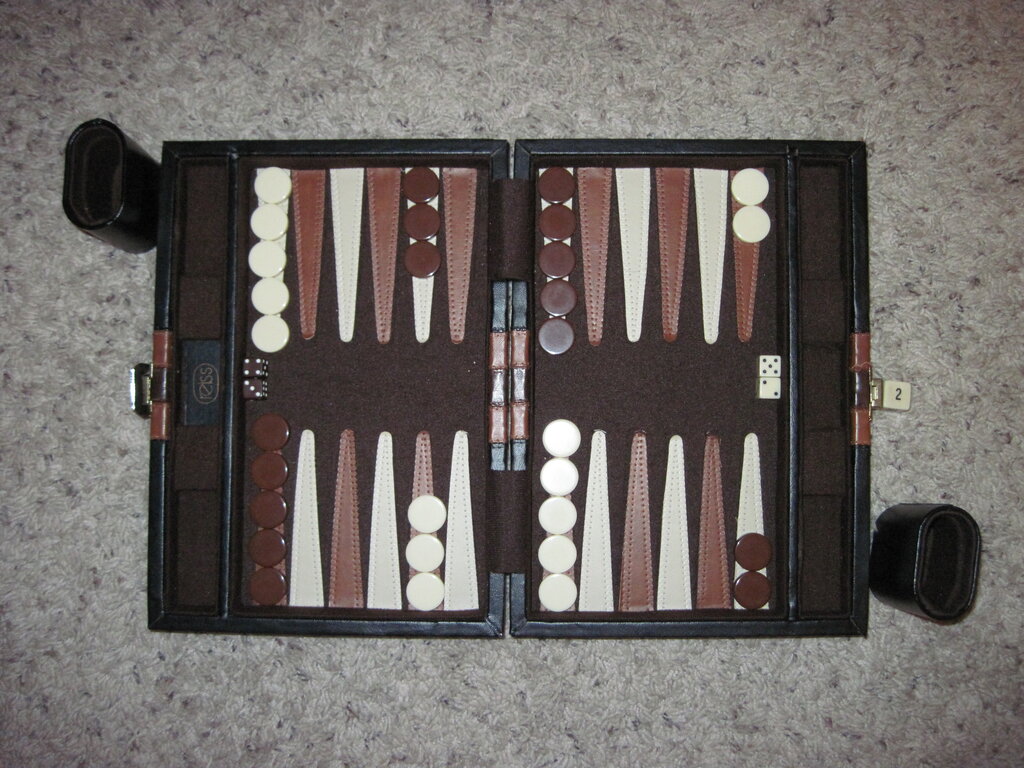
The board is divided by a ridge called the bar. If one of your checkers gets hit, it goes to the bar and must re-enter the game from your opponent's home board.
At the start of the game, the checkers are placed in a specific arrangement. Each player has their own home board, and the points are numbered 1 through 24. Your checkers move from higher-numbered points toward lower-numbered points.
Movement and Hitting
To start the game, each player rolls one die. The higher roll goes first and uses both dice numbers for their first move. After that, players alternate turns, rolling two dice at the start of their turn.
The numbers on the dice tell you how many points, or 'pips,' you can move your checkers. For example, if you roll a 3 and a 5, you can move one checker 3 spaces and another checker 5 spaces. Or, you can move a single checker a total of 8 spaces, but you must make the moves sequentially (3 then 5, or 5 then 3), stopping on an intermediate point.
A key rule: You can only move to a point that is not occupied by two or more of your opponent's checkers. Such a point is called 'blocked.'
If you roll doubles, you get to move twice for each die. A roll of double 4s means you have four moves of 4 pips each to use.
A point with only one of your opponent's checkers on it is called a 'blot.' If you land on a blot, you 'hit' the checker, which moves it to the bar in the middle of the board.
Before your opponent can make any other moves, they must re-enter that checker from the bar into your home board. They do this by rolling the dice and using the number to land on an open point. A 1 lets them enter on your 1-point, a 2 on your 2-point, and so on. If all entry points are blocked, they lose their turn.
Bearing Off to Win
The final stage of the game is called 'bearing off.' You can only begin this process once all 15 of your checkers are in your home board (the last six points of their journey).
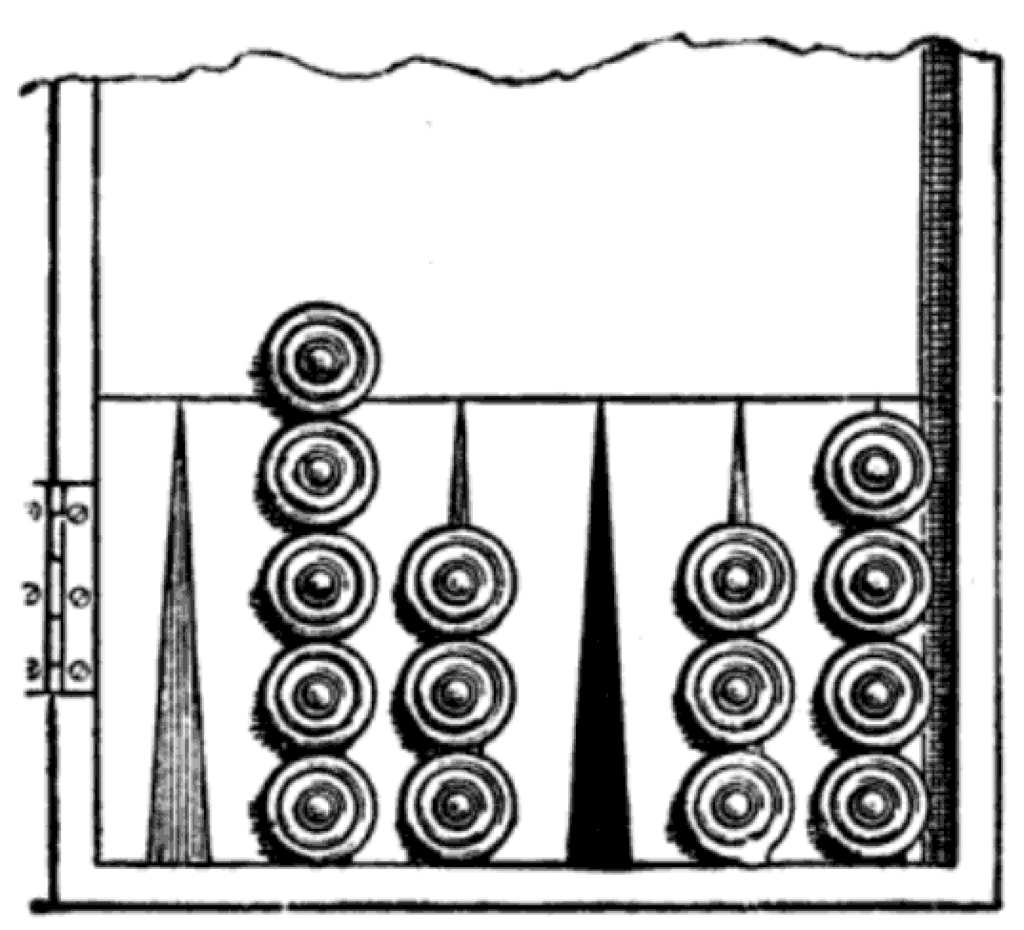
To bear off, you roll the dice and remove checkers from the points that correspond to the numbers rolled. For instance, if you roll a 6 and a 4, you can remove one checker from your 6-point and one from your 4-point.
What if you roll a number for a point where you have no checkers? You must move a checker from a higher-numbered point. If you roll a 6, but your 6-point is empty, you must move a checker from your 5-point or 4-point if they are occupied. If all your checkers are on points lower than the number you rolled, you can bear off a checker from the highest point you currently occupy. The first player to bear off all 15 checkers wins the game.
Ready to check your understanding of the basics? Give these questions a try.
What is the primary objective in a game of Backgammon?
If you roll doubles, for example, two 4s, what is your move?
With these rules in hand, you have the foundation to play your first game of backgammon.