Mastering Backend Web Development
Introduction to Backend Development
Behind the Scenes
Think of a website or an app like a restaurant. When you walk in, you see the dining area: the tables, the decor, the menu. You interact with the waiter who takes your order. This is the frontend – everything you, the user, can see and interact with directly. It's designed to be pleasant and easy to use.
But where does your food come from? The kitchen. It's a complex, busy place with chefs, ovens, and storerooms full of ingredients. The kitchen staff takes your order from the waiter, prepares the meal, and makes sure it's correct before sending it out. This is the backend. It's the hidden machinery that makes the whole restaurant work. You don't see it, but without it, you'd never get your meal.
In web development, the backend is everything that happens on the server. It’s the part of the application that the user doesn't see but that powers the part they do see.
The frontend is built with languages like HTML, CSS, and JavaScript, which run in your web browser. The backend uses different languages and technologies that run on a powerful computer called a server. When you click a 'buy' button on a shopping site, the frontend sends a request to the backend. The backend then checks if the item is in stock, processes your payment, and updates the inventory in a database. Once it's done, it sends a confirmation message back to the frontend for you to see.
If the frontend is the face of an application, the backend is the brain and nervous system.
The Backend Developer's Role
A backend developer builds and maintains the technology that powers the user-facing side of a website or application. Their work isn't visible, but it's essential for the application to function. Their responsibilities fall into three main areas.
Server
noun
A powerful computer that stores website data and runs the backend software. It 'serves' content to users' browsers when they visit a site.
1. Server-Side Logic This is the core 'thinking' part of an application. Backend developers write code that processes user requests, handles business rules, and performs calculations. For example, when you sign up for a new account, backend logic verifies that your chosen username isn't already taken and that your password meets the security requirements.
2. Database Management Web applications need to store and retrieve vast amounts of information, such as user profiles, product listings, or blog posts. This data is kept in a database. Backend developers are responsible for designing, creating, and managing these databases to ensure data is stored securely and can be accessed efficiently.
3. Building APIs An Application Programming Interface (API) is a set of rules and tools that allow different software applications to communicate with each other. The backend developer creates APIs so the frontend can request and send information to the backend. It's like the waiter in our restaurant analogy – the API is the messenger that carries orders from the dining room (frontend) to the kitchen (backend) and brings the food back out.
The Foundation of the Web
Without a solid backend, even the most beautiful frontend is just an empty shell. Backend development is the foundation that supports every interaction you have online. It handles the complexity of data, security, and performance, ensuring that applications are reliable and responsive.
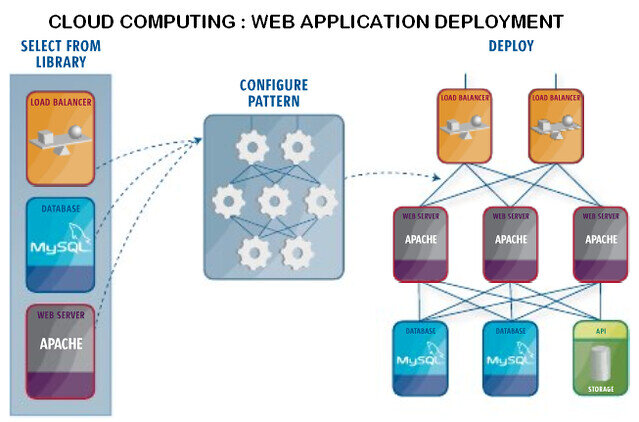
To do this, developers use a variety of server-side programming languages like Python, Java, Node.js, or Ruby, along with database technologies like PostgreSQL or MySQL. While you won't dive into the syntax of these languages just yet, understanding their role is the first step.
If you’re just starting your backend journey, focus on the fundamentals: data, APIs, security, and reliability.
Learning backend development means learning how to build the engine of the web. It's about creating systems that can handle complex tasks and manage data on a large scale. It’s a challenging but incredibly rewarding field that forms the backbone of the digital world.
Using the restaurant analogy, what part of a website is the backend?
Which of these tasks is a core responsibility of a backend developer?