Mastering B2B Sales
Introduction to B2B Sales
Selling to Businesses
When you buy a cup of coffee or a new phone, you're participating in a business-to-consumer (B2C) sale. It's a direct transaction between a company and an individual. But what happens when businesses sell to other businesses? That's the world of B2B sales.
B2B, or business-to-business, sales involve one company providing goods or services to another. Think of a software company selling accounting software to a law firm, or a manufacturer selling components to a car maker. The end user isn't an individual consumer, but an entire organization.
In B2B, the goal is often to help the client company save money, increase efficiency, or grow their own revenue. The purchase is a strategic investment, not a personal indulgence.
A Different Ballgame
Selling to a company is fundamentally different from selling to an individual. The motivations, scale, and decision-making processes are worlds apart. While a B2C purchase might be driven by emotion or a fleeting need, a B2B purchase is a calculated business decision.
| Characteristic | B2B Sales (Business-to-Business) | B2C Sales (Business-to-Consumer) |
|---|---|---|
| Customer | An entire organization | An individual or household |
| Deal Size | Typically large (thousands to millions of $) | Usually small to moderate |
| Decision | Based on logic, ROI, and business needs | Often driven by emotion, desire, or price |
| Sales Cycle | Long (weeks, months, or even years) | Short (minutes, hours, or days) |
| Stakeholders | Multiple decision-makers (e.g., finance, IT, legal) | One or two people |
| Relationship | Focus on long-term partnership and trust | Can be transactional and short-term |
A single B2B transaction can be worth millions of dollars and impact hundreds of employees. Because the stakes are so high, the buying process is much more rigorous.
Navigating the Sales Cycle
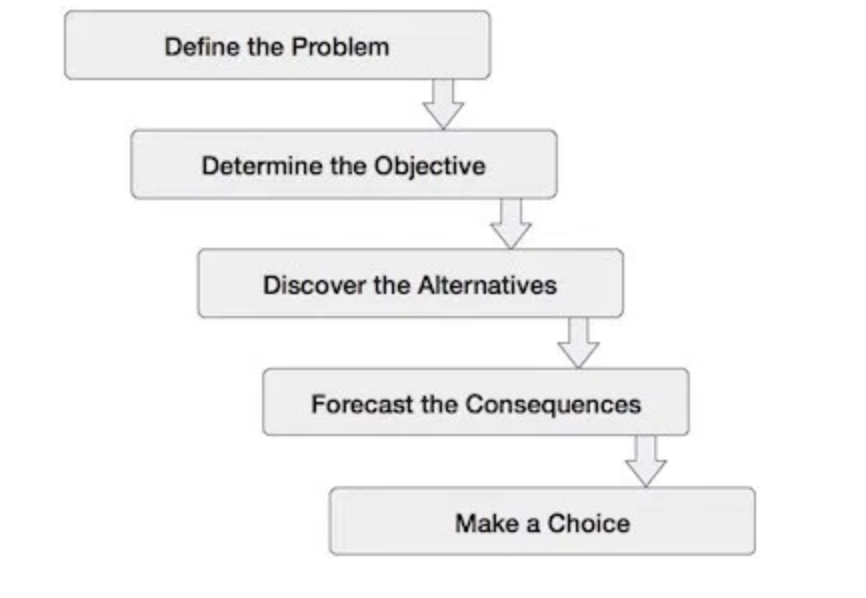
The path from initial contact to a signed deal in B2B is rarely a straight line. It’s a carefully managed process that requires patience and expertise. Unlike a quick retail purchase, a B2B sale involves multiple stages and hurdles.
B2B sales typically involve longer and more complex sales cycles, as well as multiple decision-makers within a company.
First, a company must recognize it has a problem that needs solving. Then, a team is often assembled to research potential solutions. This team might evaluate several vendors, watch product demos, and read case studies. They need to convince not just themselves, but also other departments. The finance team will scrutinize the cost, the IT department will assess security and integration, and the legal team will review the contract.
Each of these steps takes time. Getting approval from multiple stakeholders, each with their own priorities and concerns, is what stretches the sales cycle from weeks into months.
It’s All About Relationships
Because B2B purchases are significant investments, companies need to trust who they're buying from. They aren't just buying a product; they're often entering a long-term partnership. They need a vendor who will provide support, offer guidance, and be a reliable partner for years to come.
This is why relationship-building is the cornerstone of B2B sales. A successful salesperson acts more like a consultant than a pitchman. They take the time to understand the customer's unique challenges and goals. They build credibility by offering valuable insights and demonstrating how their solution can genuinely help the client's business succeed.
This trust isn't built overnight. It's earned through consistent communication, reliability, and a genuine focus on the customer's success. In the world of B2B, a strong relationship is often the ultimate deciding factor.
Time to check your understanding of these core concepts.
What is the primary characteristic of a B2B sale?
Compared to a B2C purchase, a B2B purchasing decision is most likely to be driven by: