Mastering B2B Business Strategies
Introduction to B2B and B2C
Who Is the Customer?
Every business sells something. But a company's entire strategy—from its products to its marketing—hinges on a simple question: who are we selling to? The answer splits the business world into two major categories.
Business-to-Consumer (B2C)
noun
The model where a company sells products or services directly to individual people for their personal use.
This is the world of commerce you're most familiar with. When you buy a coffee, stream a movie, or purchase a pair of sneakers, you're participating in a B2C transaction. The end user is you, the individual consumer. Companies like Amazon, Netflix, and Starbucks are giants in the B2C space.
Business-to-Business (B2B)
noun
The model where a company sells products or services to other companies or organizations.
These businesses work behind the scenes. They provide the tools, materials, and services that other companies need to operate and grow. Think of a firm that sells accounting software to small businesses, a manufacturer that supplies components to a car maker, or an agency that designs marketing campaigns for other brands. The customer isn't an individual, but an entire organization.
Core Differences
The distinction between B2B and B2C goes much deeper than just the customer's identity. It shapes the entire relationship, the decision-making process, and the scale of the transaction.
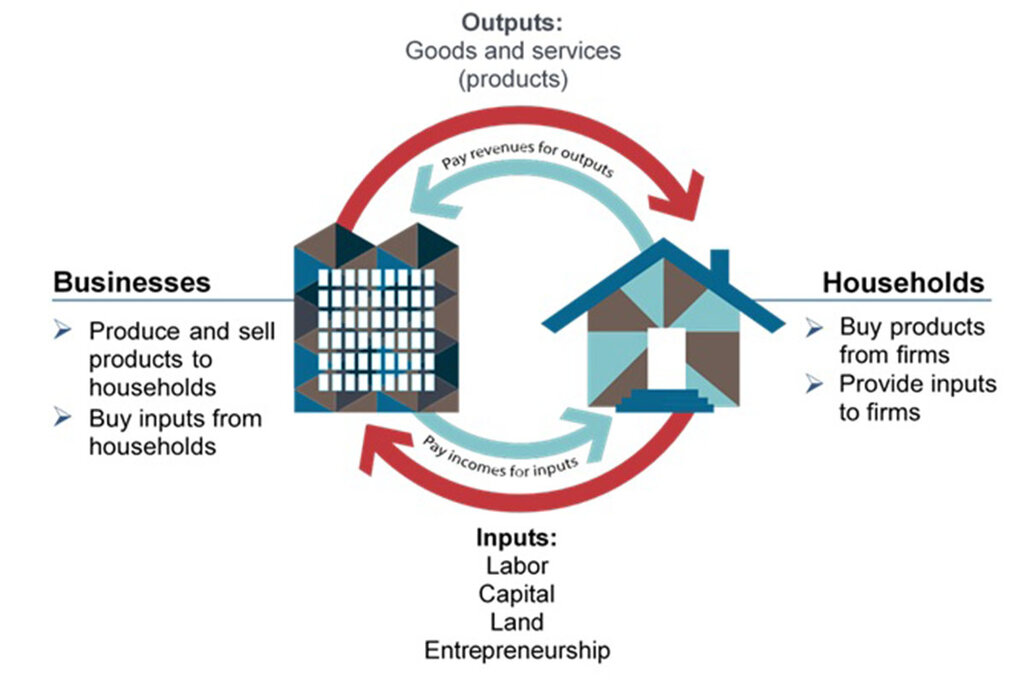
In B2C, decisions are often driven by emotion, personal need, or even impulse. The path from seeing a product to buying it can be very short. An individual might decide to buy a new jacket in minutes based on style and price. The relationship is often transactional; you buy the item and the interaction might end there.
B2B is a different world entirely. Decisions are strategic, logical, and often involve multiple people within a company, from the end-user to the finance department. A company doesn't impulsively buy a $200,000 piece of machinery. They research, compare options, and negotiate terms over weeks or months.
B2B sales rely on building long-term relationships, as the goal is often to secure recurring business and become a trusted partner.
Here's a quick breakdown of the key distinctions.
| Characteristic | Business-to-Consumer (B2C) | Business-to-Business (B2B) |
|---|---|---|
| Customer | Individual | Organization |
| Purchase Driver | Emotion, need, brand loyalty | Logic, ROI, efficiency |
| Decision-Making | Single person, quick | Multiple stakeholders, slow |
| Sales Cycle | Short (minutes to days) | Long (weeks to months) |
| Purchase Value | Generally lower | Generally higher |
| Relationship | Transactional | Partnership-focused |
Understanding these fundamental models is the first step in analyzing how any company operates and competes in its market.
What is the fundamental distinction between B2B (Business-to-Business) and B2C (Business-to-Consumer) models?
Which of the following scenarios is a clear example of a B2B transaction?