Mastering B1 English
Building Vocabulary
Building Your Vocabulary
Think of words as the bricks you use to build your sentences. The more bricks you have, and the more types of bricks you have, the better you can express your ideas. A strong vocabulary is key to moving to the B1 level. It helps you understand conversations, read articles, and share your own thoughts clearly.
You don't need to know every word in the dictionary. The goal is to learn the words you will actually use.
Learn essential vocabulary: Focus on high-frequency words and phrases used in everyday situations.
Words for Everyday Life
Start by focusing on topics that are part of your daily life or that you find interesting. This makes learning more relevant and enjoyable. If you like cooking, learn words for food and kitchen tools. If you work in an office, learn words related to your job.
Here are some common categories to get you started:
| Category | Example Words |
|---|---|
| Work & School | meeting, project, deadline, assignment, study |
| Hobbies & Free Time | movie, music, sport, travel, read |
| Food & Drink | breakfast, lunch, dinner, coffee, water |
| People & Family | friend, parent, brother, sister, colleague |
| Home | kitchen, bedroom, living room, chair, table |
Choose a few topics that matter to you and start building your vocabulary around them. This targeted approach is much more effective than trying to memorize random word lists.
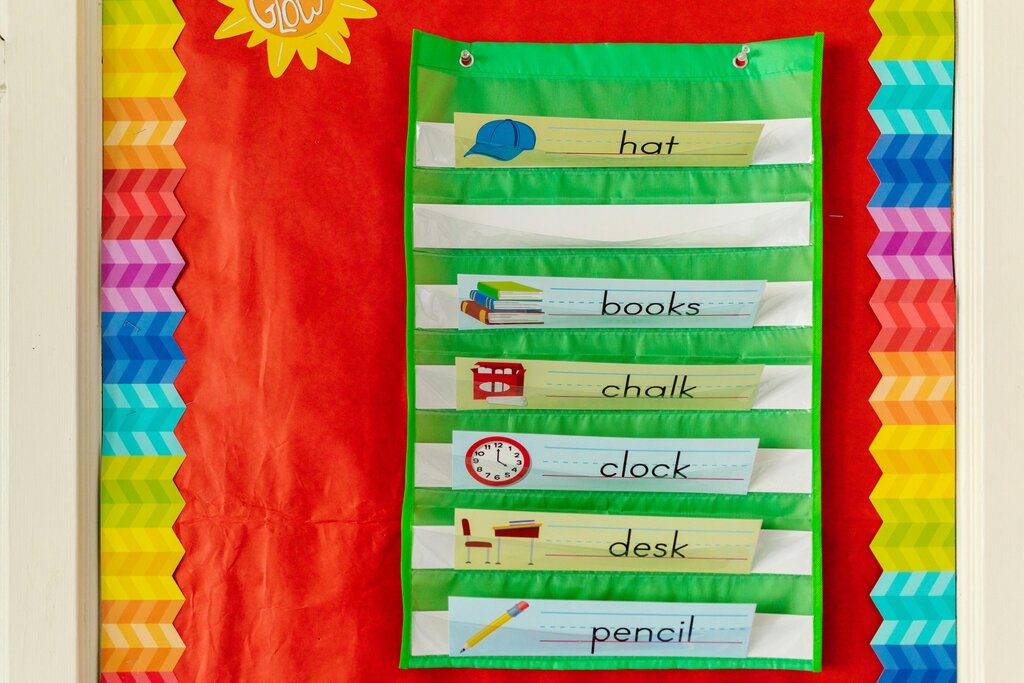
How to Learn and Remember
Just seeing a new word isn't enough. You need strategies to make it stick in your memory. The best way to do this is to learn words in context.
Learning a word in a sentence is more powerful than learning it from a list. Context gives the word meaning and shows you how it's used.
When you find a new word, don't just write down the word and its definition. Write down the entire sentence where you found it. For example, instead of just writing "colleague," write "I had a productive meeting with my colleague this morning." This helps you remember not only the meaning but also how to use it correctly.
A vocabulary notebook is a great tool. When you learn a new word, create an entry for it. Include:
- The word itself
- Its meaning in your own language
- The example sentence where you found it
- A new sentence you create using the word
Knowing a word also means knowing how to say it and spell it. When you look up a new word, listen to its pronunciation. Practice saying it out loud. Pay attention to the spelling, especially for words that don't sound the way they are written.
pronunciation
noun
The way in which a word is pronounced.
Regularly reviewing the words you've learned is essential. You can use flashcards, either physical cards or an app on your phone, to test yourself. Consistent practice will move new words from your short-term memory to your long-term memory.
Ready to check your understanding of these strategies?
What is the most effective strategy for choosing new vocabulary words to learn?
When you learn a new word, what is the best information to record in your notebook to help you remember how to use it correctly?
Expanding your vocabulary is a gradual process. Be patient with yourself, focus on words that are useful to you, and practice using them. Every new word you learn is another step toward fluent communication.