Mastering Authentic Agua Frescas for Groups
Jamaica Extraction Chemistry
The Science of Steeping
Making a superb Agua de Jamaica starts with chemistry, not just cooking. Our goal isn't to brew a simple tea, but to create a potent, clear concentrate from dried hibiscus calyces. This process is all about targeted extraction, drawing out the compounds we want while leaving the undesirable ones behind. Think of it like a precise lab experiment where you control the variables to get a perfect result.
The two main players in hibiscus are anthocyanins and organic acids. Anthocyanins are water-soluble pigments that give the flower its iconic, deep ruby color. The more effectively we dissolve them, the more vibrant our concentrate will be. Alongside them are organic acids—like citric, malic, and tartaric acid—which provide the bright, tangy flavor that makes the drink so refreshing. The entire art of this extraction lies in maximizing the release of these molecules.
Hot vs. Cold Extraction
You have two primary methods for extraction: hot and cold. Each path uses a different chemical strategy and yields a distinct final product.
Hot steeping is fast. Submerging the calyces in water just off the boil dramatically increases the solubility of the target compounds. The heat energizes the water molecules, causing them to move faster and collide more forcefully with the hibiscus, efficiently pulling out colors and acids. But this speed comes with a risk. Prolonged heat, especially a rolling boil, also starts to extract tannins—bitter-tasting polyphenols that can create an astringent, dry sensation in the mouth. Managing tannins is crucial.
For hot extraction, the sweet spot is typically 5-10 minutes in hot (not boiling) water. Any longer, and you start trading vibrant flavor for bitterness.
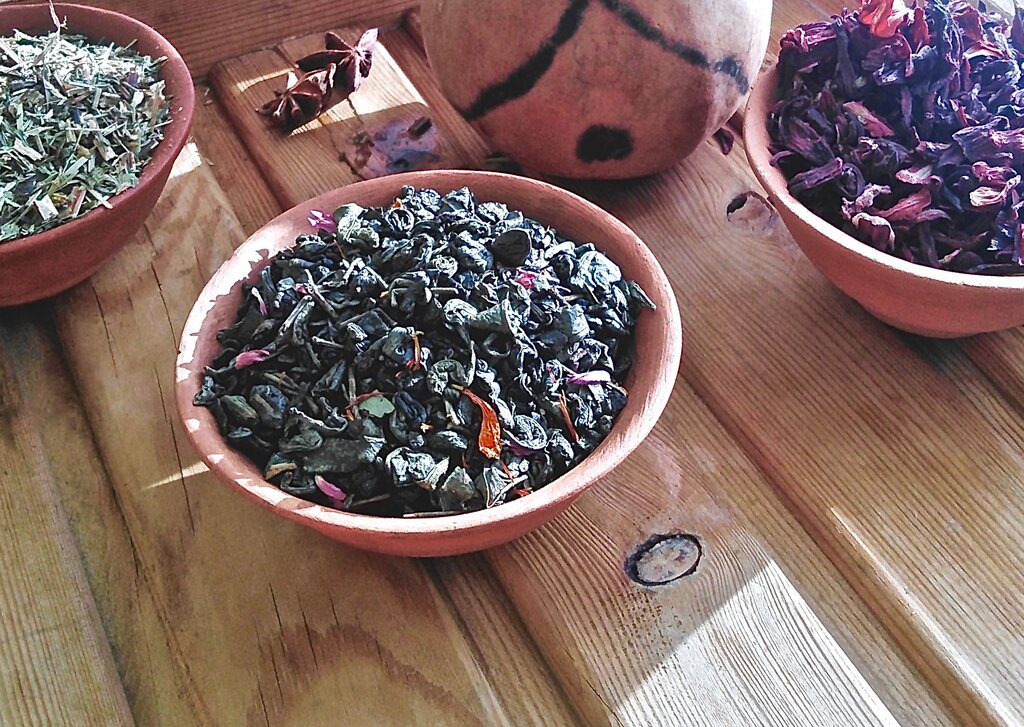
Cold steeping is the patient approach. By steeping the hibiscus in cold or room-temperature water for 12-24 hours, you create a different chemical environment. The extraction happens slowly and gently. While anthocyanins and organic acids are still soluble in cold water, tannins are much less so. The result is a concentrate that is often brighter, more floral, and noticeably less bitter. It captures the delicate nuances of the flower without the harshness that can come from heat.
Ratios and Stability
Just as with macarons, precision in your ratios is non-negotiable. We are aiming for a concentrate, something much stronger than a ready-to-drink tea. A good starting point for a potent base is a 1:8 ratio by weight of dried hibiscus to water. For example, use 50 grams of hibiscus for every 400 grams (or 400 mL) of water.
This high concentration of dissolved solids—sugars, acids, and pigments—makes the resulting liquid quite stable. Kept in a sealed container in the refrigerator, your hibiscus concentrate will last for up to two weeks. This potency is its primary advantage; it allows you to quickly dilute a small amount into a large batch of refreshing Agua de Jamaica, ensuring consistency with every glass.
| Method | Temperature | Time | Flavor Profile | Tannin Level |
|---|---|---|---|---|
| Hot Steep | ~95°C / 200°F | 5–10 min | Robust, tart, deep | Moderate to high |
| Cold Steep | 4–20°C / 40–68°F | 12–24 hrs | Bright, floral, nuanced | Low |
Now that you understand the chemistry, you can choose your method based on your desired outcome and the time you have available.
What is the primary purpose of making a hibiscus concentrate as described, rather than a simple, ready-to-drink tea?
Which chemical compounds are responsible for the iconic deep red color and bright, tangy flavor of Agua de Jamaica?