Mastering Athletic Self-Talk
Understanding Self-Talk
Your Inner Monologue
Every athlete has an inner voice. It’s that constant stream of thoughts running through your head before, during, and after a competition. This internal conversation is called self-talk, and it’s one of the most powerful tools you have for shaping your performance.
Self-talk isn't just random noise. It's how you interpret what's happening, what you believe about yourself, and what you expect to happen next. It can be your biggest cheerleader or your harshest critic.
This inner dialogue generally falls into two categories: positive and negative.
Positive self-talk is encouraging and motivational. It focuses on your strengths and what you can control. Think of phrases like, "Keep pushing," "You've trained for this," or "Focus on the next play."
Negative self-talk is critical and self-defeating. It fixates on mistakes, weaknesses, and potential failure. It sounds like, "Don't mess this up," "I'm not good enough," or "I can't believe I did that."
Whether you realize it or not, the tone of this conversation directly influences how you feel and act. It can build you up or tear you down from the inside out.

How Your Thoughts Shape Performance
Imagine two basketball players stepping up to the free-throw line in the final seconds of a tied game. One player thinks, "I've practiced this shot a thousand times. I've got this." The other thinks, "Everyone is watching. What if I miss?"
Which player do you think is more likely to succeed? The first player's positive self-talk boosts their confidence and helps them focus on the task. The second player's negative self-talk creates anxiety and doubt, which can lead to tense muscles and a rushed, sloppy shot.
Your inner voice has a direct line to your nervous system. Positive, instructional self-talk—like "eyes on the target, smooth follow-through"—can improve coordination and fine-tune motor skills. Negative self-talk, on the other hand, can trigger a stress response, flooding your body with hormones that hinder performance.
Integrating psychological skills training into an athlete's overall performance plan can lead to more consistent and robust performances
This is because your brain doesn't always distinguish between a real threat and a perceived one. If you tell yourself you're going to fail, your body reacts as if failure is already happening. Your heart rate might increase, your breathing can become shallow, and your focus narrows in a way that hurts your peripheral vision and decision-making. Conversely, when you use positive self-talk, you help keep your mind and body in a state of calm, focused readiness.
Self-Talk in Action
Many elite athletes credit their mental game, especially their use of positive self-talk, for their success. Tennis great Billie Jean King famously said, "Pressure is a privilege." This is a classic example of reframing a stressful situation into a positive one. Instead of seeing a high-stakes match as something to fear, she viewed it as an opportunity she had earned.
Similarly, legendary basketball player Michael Jordan was known for his incredible mental fortitude. When he missed a shot, his self-talk wasn't about the failure. It was about what to do next. He would tell himself to focus on the next possession, stay in the moment, and trust his training. This allowed him to bounce back from errors without letting them derail his entire game.
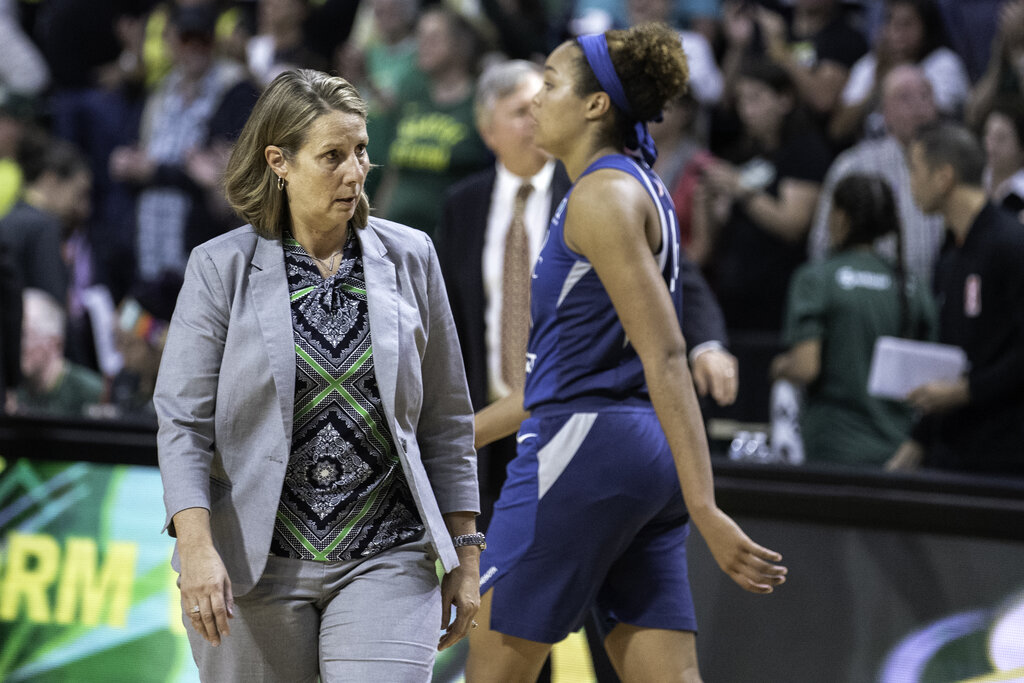
These examples show that self-talk isn't about ignoring reality or pretending you'll never make a mistake. It's about consciously choosing to guide your inner conversation in a productive direction that supports your goals, rather than sabotaging them.
Now, let's test your understanding of these core concepts.
What is "self-talk" in the context of athletic performance?
According to the text, how can negative self-talk, like "What if I miss?", physically hinder an athlete's performance?
Becoming aware of your inner voice is the first step toward harnessing its power.