Mastering ATG for Impact
Introduction to ATG Framework
Art, Technology, and Games
What makes a video game truly memorable? Is it the stunning visuals, the groundbreaking code, or the addictive gameplay? The best games rarely succeed on just one of these fronts. Instead, they find a perfect balance between artistic expression, technological innovation, and solid game design.
This is the core idea behind the Art, Technology, and Games (ATG) framework. It isn't a strict set of rules, but rather a way of thinking about game development. It encourages creators to see their project as a blend of three essential pillars, each supporting the others to create a cohesive and engaging player experience.
Think of it like building a car. You need an engineer (technology), a designer (art), and a driver's feedback (gameplay) to make something that's not only functional but also beautiful and fun to drive.
The Three Pillars
The ATG framework stands on three interconnected components. When they work in harmony, they elevate a game from a simple piece of software to a compelling experience.
Art is the soul of the game. It encompasses everything that creates the mood and aesthetic. This includes the visual style, character design, sound effects, music, and narrative. It's the emotional core that draws players into the world and makes them care.
Technology is the skeleton. It's the underlying code, the game engine, and the hardware that brings the artistic vision to life. Advancements in technology constantly push the boundaries of what's possible, from realistic physics to vast, procedurally generated worlds.
Games represents the rules of play. This pillar covers the core mechanics, level design, control schemes, and objectives. It's what makes the experience interactive and challenging. Without strong game design, even the most beautiful and technologically advanced project will feel empty and boring.
A Quick History
The ATG framework might sound like a modern concept, but its principles have been around since the beginning of video games. Early developers were heavily constrained by technology. Games like Pong or Space Invaders had simple graphics (Art) and were built on basic hardware (Technology), so the primary focus was on clear, addictive mechanics (Games).
As technology evolved through the 8-bit and 16-bit eras, developers gained more tools to express artistic vision. We saw more complex stories, iconic characters, and memorable soundtracks. The balance began to shift as all three pillars grew in complexity.
Today, developers have access to powerful engines and tools that can create photorealistic worlds. The ATG framework has become more important than ever as a guide. It helps teams ensure that their incredible technological and artistic achievements serve the core purpose: creating a great game.
Why It Matters
In modern game development, teams are often large and specialized. You have artists, programmers, writers, and designers all working on different parts of the project. The ATG framework provides a shared language and a common goal.
It pushes teams to ask critical questions. Does our new lighting technology (Technology) enhance the game's spooky atmosphere (Art)? Do our complex controls (Games) feel intuitive and support the fast-paced action we want? When a game feels "right," it's usually because the art, technology, and game design are all working together seamlessly. Neglecting one pillar at the expense of the others almost always leads to a flawed experience.
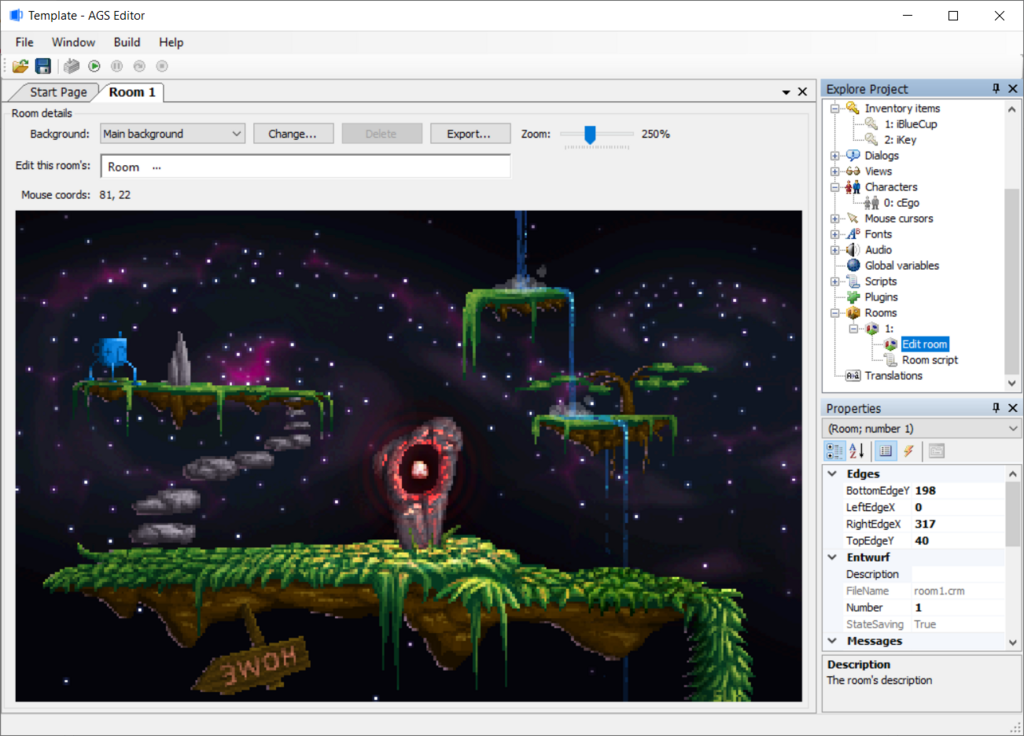
Understanding this balance is the first step toward analyzing what makes games succeed and creating compelling interactive experiences of your own.
What is the primary purpose of the Art, Technology, and Games (ATG) framework in game development?
In the ATG framework, which pillar is described as the 'soul' of the game, encompassing its mood, aesthetic, and narrative?