Mastering Artisanal Cold Process Soap Making
Safety and Lye Mastery
The Chemistry of Lye
You already know the cardinal rule: always add lye to water. But to move from following rules to mastering the craft, you need to understand the chemistry driving the process. The two main players are Sodium Hydroxide (NaOH) for hard bars and Potassium Hydroxide (KOH) for liquid soaps. Their difference lies in their molecular structure; the smaller sodium ion creates a tight, crystalline structure, resulting in a firm bar, while the larger potassium ion forms a looser structure that remains liquid.
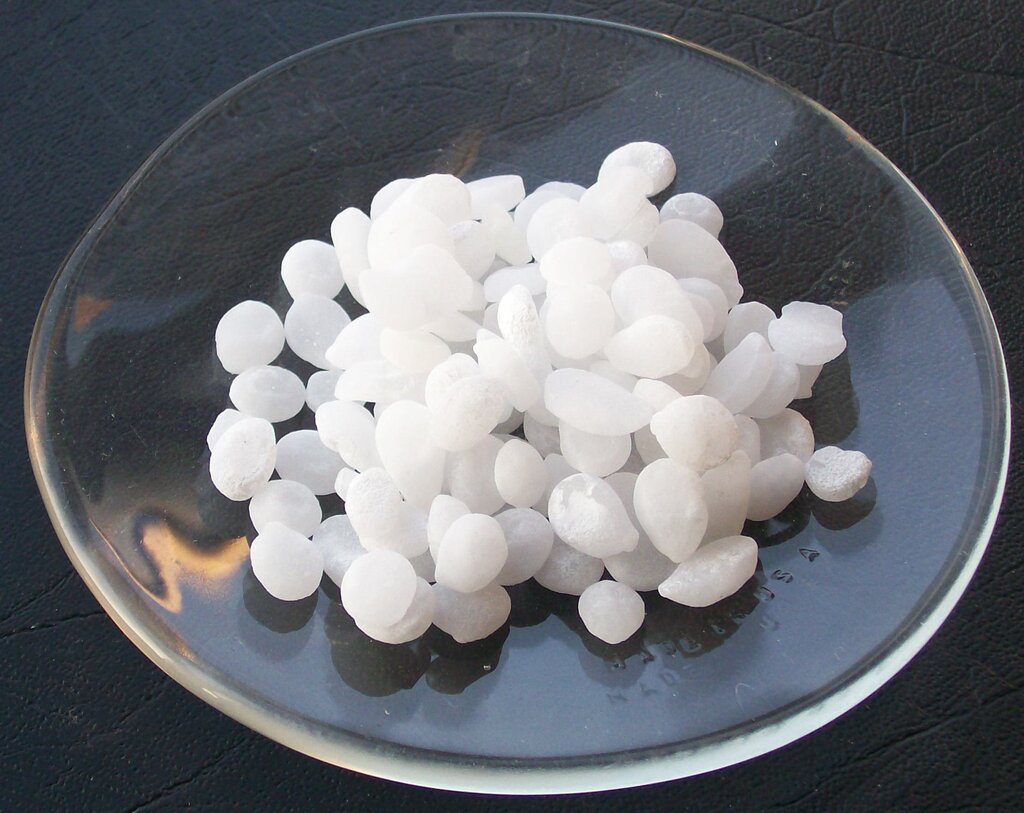
When you mix either alkali with water, you initiate a powerful exothermic reaction. This isn't just a simple dissolving process. The lye dissociates into ions, releasing a significant amount of energy as heat. The temperature can easily spike to over 200°F (93°C). Understanding this reaction is the first step toward controlling it, which is essential for consistent results and, more importantly, for safety.
The first safety rule for handling lye is to ALWAYS add lye to water, NOT water to lye.
Controlling the Reaction
Your goal is to manage the saponification timeline, and temperature is your primary tool. While recipes vary, a common working range for both your lye solution and oils is between 95°F and 115°F (35-46°C). Combining them at similar temperatures ensures a smooth, predictable path to trace.
Mixing too hot can accelerate trace, leaving you with 'soap-on-a-stick' before you can pour. Mixing too cool can lead to a false trace, where the mixture thickens from cooling fats rather than true emulsification, potentially causing separation later.
Beyond temperature, your lye-to-water ratio is a critical variable. Many beginners use a 1:1 ratio by weight, but professionals often employ a 'water discount.' This means using less water than the amount of oils. For example, a 2:1 oil-to-water ratio is common.
Water discounting creates a more concentrated lye solution. This leads to a faster trace, a shorter curing time, and a harder final bar. However, it also accelerates the reaction, leaving less room for error.
When calculating your recipe, you're balancing the saponification value (SAP value) of your oils against the amount of lye. To create a gentler bar, soapmakers use a 'superfat.' This is a built-in excess of oils that remain unsaponified. A common superfat level is 5%.
Working Smarter and Safer
For frequent soap making, your lye solution is a game-changer. This involves creating a large, concentrated batch of lye-water that you can store and use for multiple recipes. It saves time and reduces the frequency of handling dry lye flakes.
| Step | Action | Safety Note |
|---|---|---|
| 1 | Calculate | Determine the concentration for your master batch (e.g., 30% lye, 70% water). |
| 2 | Mix | In a well-ventilated area, slowly add your total lye weight to your total water weight in a heat-safe container. |
| 3 | Cool & Store | Allow the solution to cool completely. Store in a clearly labeled, sealed, HDPE plastic container (codes 2 or 5). |
| 4 | Use | When making soap, simply weigh out the amount of lye solution your recipe calls for. |
Even with the best practices, accidents can happen. Your spill management plan should be clear and ready. For small liquid spills, use a neutralizing agent like vinegar or citric acid solution after absorbing the bulk of the spill with cat litter or clay. For dry lye spills, never add water. Sweep it up carefully into a designated container.
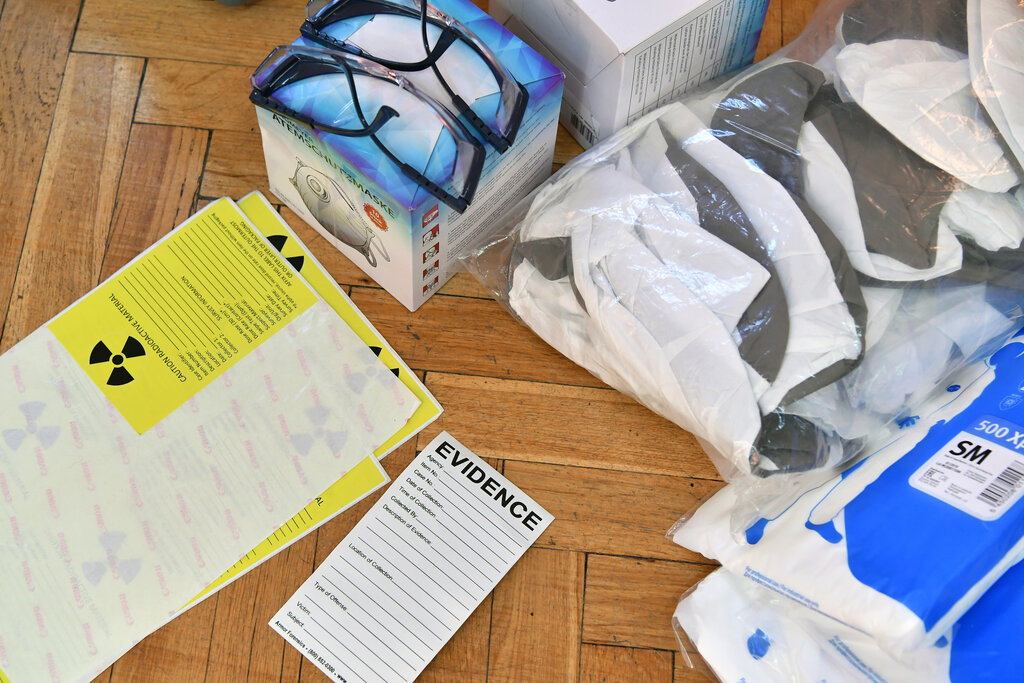
Proper disposal is just as important. Never pour unused lye solution down the drain without neutralizing it first. To do this, create a weak acidic solution (like white vinegar) in a large bucket and slowly add the lye solution to it. The goal is to bring the pH closer to neutral (pH 7) before disposal. Always check your local regulations for hazardous waste.
Ready to test your knowledge?
What is the primary chemical reason that Sodium Hydroxide (NaOH) is used for hard bar soaps while Potassium Hydroxide (KOH) is used for liquid soaps?
The process of mixing lye with water generates a significant amount of heat. This is known as an __________ reaction.
By moving beyond basic rules to a deeper chemical understanding, you gain the control needed to produce consistently high-quality, safe, and artisanal soap.