Mastering Artificial Intelligence Tools
Introduction to AI
What is Artificial Intelligence?
Artificial Intelligence is about creating systems that can perform tasks that typically require human intelligence. Think about recognizing a face, understanding speech, or making a strategic decision in a game. AI enables machines to learn from experience, adapt to new inputs, and perform human-like tasks.
Artificial Intelligence
noun
The theory and development of computer systems able to perform tasks that normally require human intelligence, such as visual perception, speech recognition, decision-making, and translation between languages.
Instead of being explicitly programmed for every possible scenario, an AI system learns patterns and makes predictions. It's not about creating a machine that thinks like a human, but one that can solve problems in a way that seems intelligent.
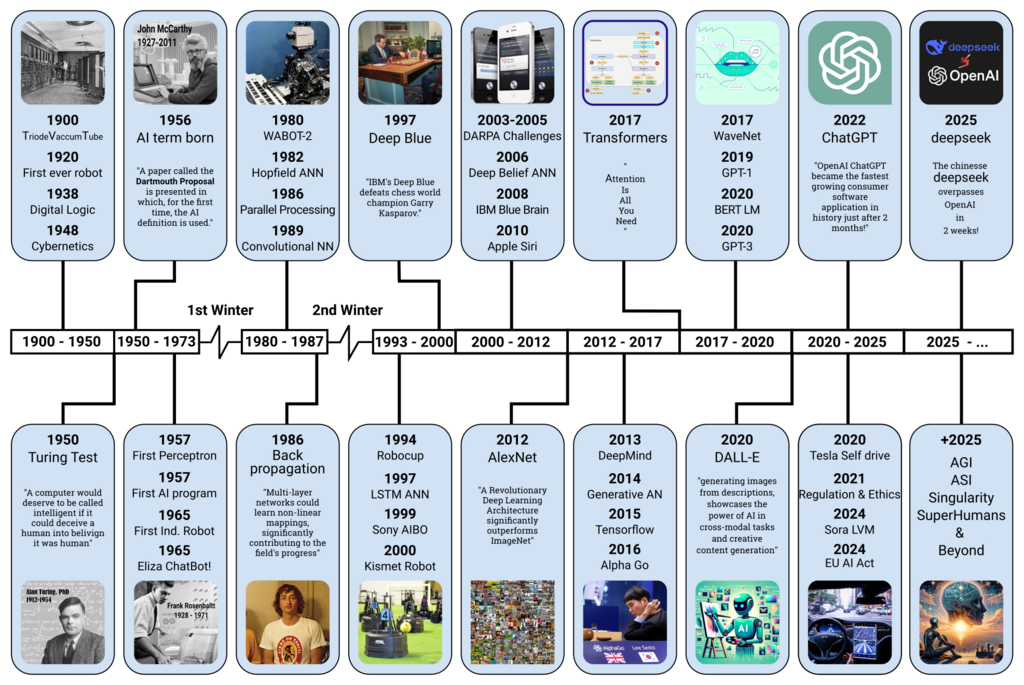
The Core Branches of AI
AI is a broad field with many specialized areas. Three of the most important branches are Machine Learning, Natural Language Processing, and Computer Vision. They are not separate from AI; rather, they are specific ways of achieving it.
Machine Learning (ML) is the engine that powers many AI applications. It's a method of teaching computers to learn from data without being explicitly programmed. For example, instead of writing rules to identify spam emails, you can show an ML model thousands of examples of spam and non-spam emails. It learns the patterns and starts making predictions on its own.
Natural Language Processing (NLP) focuses on the interaction between computers and human language. When you ask a voice assistant for the weather or use a translation app, you're using NLP. This field enables machines to read, understand, and generate human language.
Computer Vision gives machines the ability to see and interpret the visual world. It works by analyzing data from images, videos, and other visual inputs. Self-driving cars use computer vision to identify pedestrians and traffic signs, while facial recognition systems use it to unlock your phone.
AI in the Real World
AI isn't just a concept from science fiction; it's already integrated into many parts of our daily lives and industries.
| Industry | Application | How it Works |
|---|---|---|
| Healthcare | Medical Image Analysis | AI algorithms analyze X-rays and MRIs to detect diseases like cancer earlier. |
| Finance | Fraud Detection | Machine learning models spot unusual transaction patterns to prevent fraud. |
| Entertainment | Recommendation Engines | AI learns your viewing habits on streaming services to suggest new shows. |
| Automotive | Self-Driving Cars | Computer vision and ML work together to navigate roads and avoid obstacles. |
From personalized shopping recommendations to optimizing logistics for shipping companies, AI's ability to process vast amounts of data and find patterns is transforming how businesses operate and how we interact with technology.
What is the primary goal of Artificial Intelligence?
Which branch of AI is primarily concerned with enabling machines to understand and interpret the visual world from images and videos?
This introduction covers the basic ideas behind AI. As you continue, you'll see how these core concepts are the building blocks for more complex and powerful systems.