Mastering Artificial Intelligence Concepts and Applications
Introduction to Artificial Intelligence
What Is Artificial Intelligence?
Artificial intelligence is about making machines smart. The goal is to create systems that can mimic human intelligence to perform tasks, learn from experience, and adapt to new situations. Think of it less as building a conscious robot and more as designing software that can perceive its environment, reason through problems, and make decisions.
At its core, AI is the science of teaching computers to do things that, until recently, only humans could do.
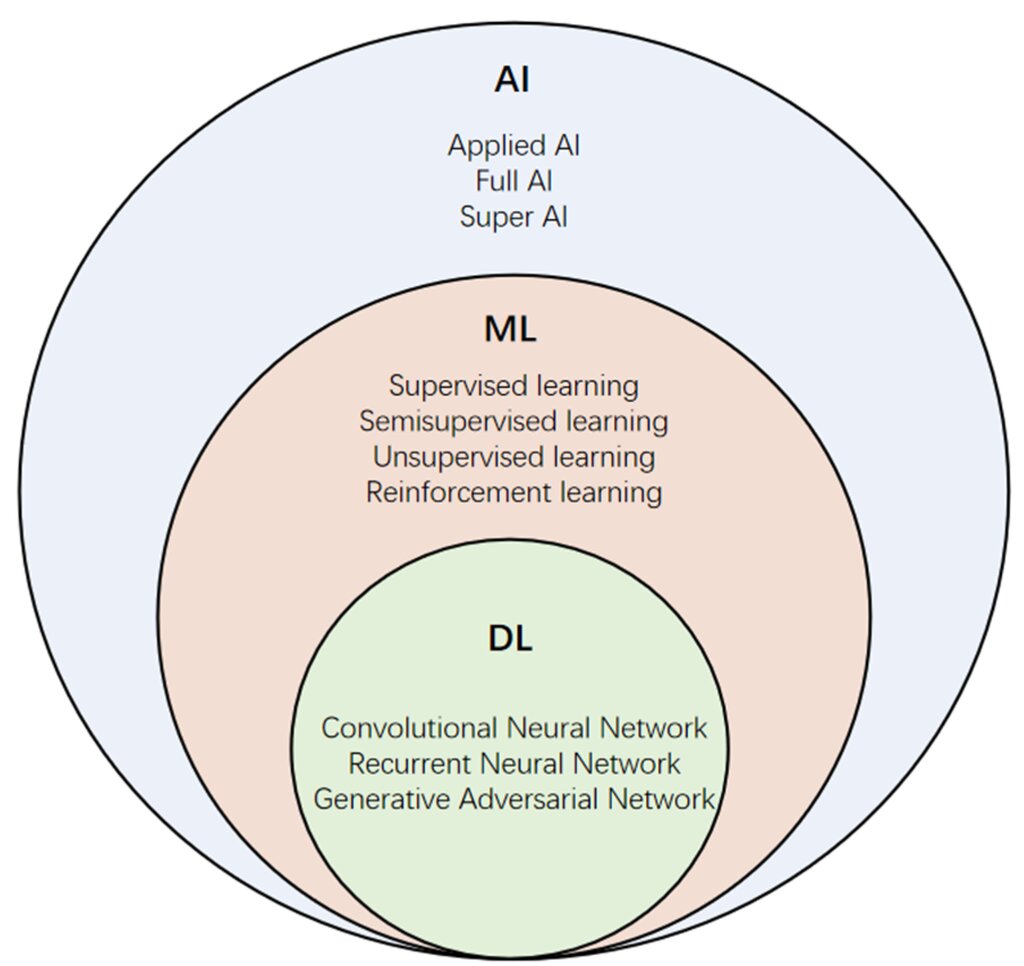
This doesn't happen with a single switch. AI isn't one thing; it's a broad field of computer science with many different approaches. Early efforts involved writing explicit rules for a computer to follow. If you wanted a machine to play chess, you'd program it with the rules and strategies of the game. Modern AI, however, often relies on a different approach: learning from vast amounts of data. Instead of being told the rules of chess, a modern AI might analyze millions of games to discover winning patterns on its own.
A Brief History of AI
The dream of creating intelligent machines is ancient, but the scientific pursuit of AI began in the 1950s. The field was officially born at a 1956 workshop at Dartmouth College, where the term "artificial intelligence" was coined. Early researchers were incredibly optimistic, predicting that machines with human-level intelligence were just a few decades away.
This initial excitement led to significant funding and research. Early AI programs could solve algebra word problems, prove theorems in logic, and speak simple English. But the progress was slower than expected. The computers of the day lacked the processing power and memory to tackle more complex problems. This led to periods known as "AI winters," when funding dried up and interest waned.

The tide turned again in the 1990s and 2000s, thanks to two key developments: the internet generated massive amounts of data to train on, and computers became exponentially more powerful. This combination fueled the rise of machine learning, a subfield of AI that allows systems to learn directly from data, leading to the AI boom we see today.
Objectives and Challenges
The primary goal of AI is to create technology that can reason, learn, and act autonomously. This breaks down into several key objectives:
- Knowledge Representation: How to store what the AI knows about the world.
- Reasoning: How to use that stored information to solve problems and draw new conclusions.
- Learning: How to automatically adapt and improve from new data and experiences.
- Natural Language Processing: How to understand and generate human language.
- Perception: How to make sense of the world through inputs like images, sound, and other data.
However, achieving these goals presents significant challenges. One major hurdle is creating AI that possesses "common sense"—the vast, unspoken understanding of the world that humans use to navigate daily life. Another is the problem of bias. If an AI is trained on biased data, it will produce biased results, reinforcing unfair stereotypes.
Perhaps the biggest long-term goal is achieving Artificial General Intelligence (AGI). This refers to a machine that can understand or learn any intellectual task that a human being can. Current AI is considered "narrow AI" because it's designed for specific tasks, like playing Go or driving a car. AGI remains a distant, though compelling, frontier for the field.
What is the primary goal of Artificial Intelligence?
The term "artificial intelligence" was officially coined at a 1956 workshop held at which institution?