Mastering Artificial Intelligence and Autonomous Agents
Introduction to Artificial Intelligence
What Is Artificial Intelligence?
Artificial Intelligence, or AI, is a field of computer science focused on creating machines that can perform tasks that typically require human intelligence. This includes things like learning, reasoning, problem-solving, understanding language, and perceiving the world around them. At its core, AI aims to build systems that can think or act like humans.
Think of it this way: instead of programming a computer with a rigid set of instructions for every possible scenario, you give it the ability to learn on its own. It's the difference between giving someone a fish and teaching them how to fish.
A Quick Trip Through Time
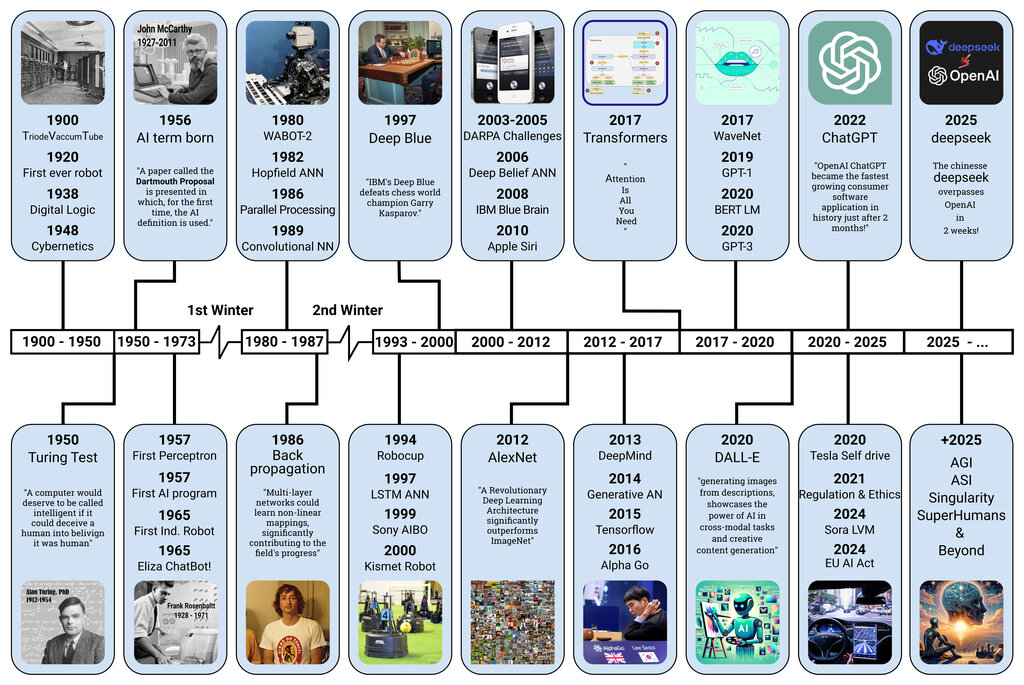
The idea of intelligent machines has been around for centuries, but the modern field of AI officially began in the summer of 1956 at a workshop at Dartmouth College. It was there that the term "Artificial Intelligence" was coined. Early researchers were incredibly optimistic, believing that a machine as intelligent as a human being would exist in just a few decades.
This optimism was followed by periods of disillusionment known as "AI winters." Progress was slower than expected, and funding dried up. However, the last couple of decades have seen a massive resurgence. This boom is fueled by two key ingredients: the availability of vast amounts of data and the development of powerful computers that can process it all.
The Building Blocks of AI
AI isn't a single technology; it's a broad field with many subfields and techniques. Three of the most important concepts to understand are Machine Learning, Neural Networks, and Natural Language Processing. They are often used together, but they are distinct ideas.
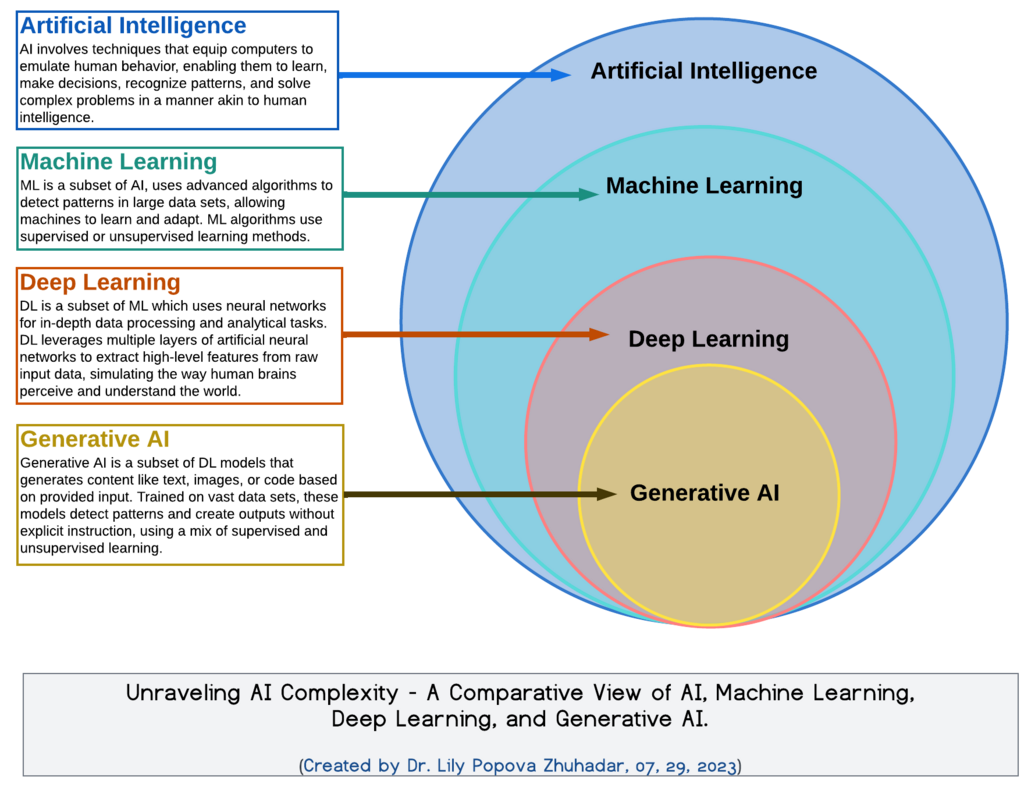
Machine Learning (ML) is a subset of AI where systems learn directly from data. Instead of being explicitly programmed with rules, an ML model identifies patterns within datasets and uses those patterns to make predictions or decisions. It's about learning from experience.
| Type | How It Learns | Example |
|---|---|---|
| Supervised | From labeled data (like photos of cats tagged "cat") | Predicting house prices based on past sales data. |
| Unsupervised | From unlabeled data to find hidden patterns | Grouping customers into different segments based on purchasing habits. |
| Reinforcement | Through trial and error, receiving rewards or penalties | Training an AI to play a game like chess or Go. |
Neural Networks are a type of machine learning model inspired by the structure of the human brain. They are made up of interconnected nodes, or "neurons," organized in layers. Each connection has a weight that gets adjusted as the network learns from data. When a neural network has many layers, it's often called a "deep learning" model.
Natural Language Processing (NLP) is a subfield of AI focused on enabling computers to understand, interpret, and generate human language. It's the technology behind chatbots, translation apps, and sentiment analysis tools that determine if a review is positive or negative.
When you ask your phone for the weather, NLP is what translates your spoken words into a command the device can understand, finds the information, and then formulates a spoken response.
AI in the Wild
AI is no longer just a concept from science fiction; it's a part of our daily lives. Its applications span nearly every industry.
In healthcare, AI helps doctors diagnose diseases earlier and more accurately by analyzing medical images like X-rays and MRIs. It can also predict which treatments are most likely to be effective for individual patients.
In finance, AI algorithms are used to detect fraudulent transactions in real-time and to automate trading. They analyze market data to find trends that would be impossible for a human to spot.
Entertainment platforms like Netflix and Spotify use AI to power their recommendation engines. They analyze your viewing and listening history to suggest new content you might enjoy, creating a personalized experience.
Even our cities are getting smarter with AI. It helps manage traffic flow to reduce congestion, optimize energy consumption in buildings, and improve public safety systems.
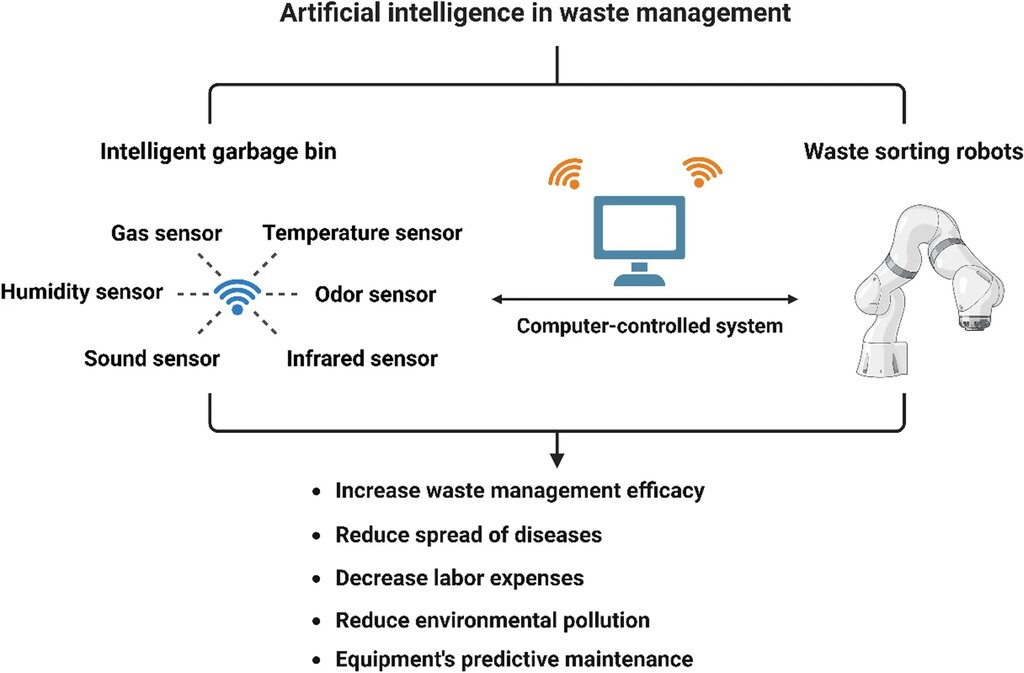
These are just a few examples. As the technology continues to evolve, AI is set to transform our world in ways we're only beginning to imagine.
Now, let's test your understanding of these fundamental concepts.