Mastering Artificial Intelligence
Introduction to Artificial Intelligence
What Is Artificial Intelligence?
Artificial intelligence, or AI, is about creating computer systems that can perform tasks that normally require human intelligence. This includes things like learning, reasoning, problem-solving, understanding language, and perceiving the world around them.
Think of it like teaching a computer a new skill. Instead of programming it with rigid, step-by-step instructions for every possible scenario, you give it the ability to learn from experience. The goal is to build machines that are not just calculators, but flexible thinkers.
At its core, AI is the science of making machines smart.
This broad field covers everything from a simple chess-playing program to complex systems that can pilot a car or help doctors diagnose diseases. It's a journey from simple automation to creating systems with genuine problem-solving abilities.
A Quick Trip Through Time
The idea of intelligent machines has been around for centuries, but the formal field of AI research began in the 1950s. Early researchers were incredibly optimistic, believing that a machine with human-like intelligence was just a few decades away.
Progress wasn't always a straight line. The field went through periods of high funding and excitement, followed by "AI winters" where progress stalled and interest waned. However, two major breakthroughs reignited the field: the availability of massive amounts of data and the development of powerful computers that could process it all.
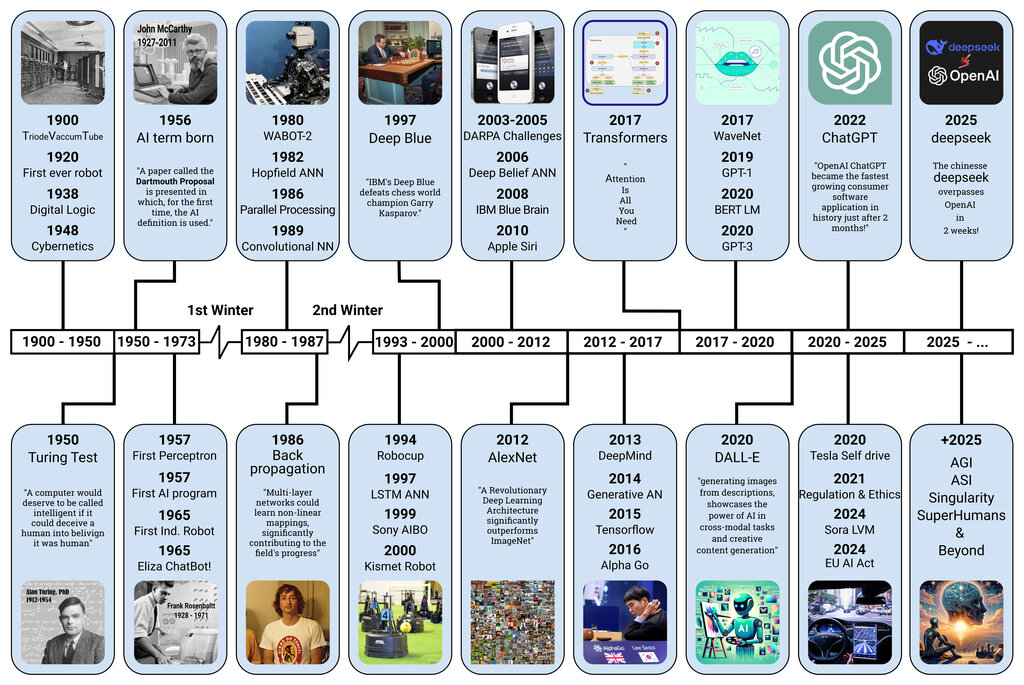
These advancements paved the way for the AI boom we are experiencing today, making it one of the most transformative technologies of our time.
The AI Family Tree
The term "AI" is often used as a catch-all, but it's actually a broad field with several key subfields. Understanding the relationships between them is crucial. The most important terms to know are Artificial Intelligence, Machine Learning, and Deep Learning.
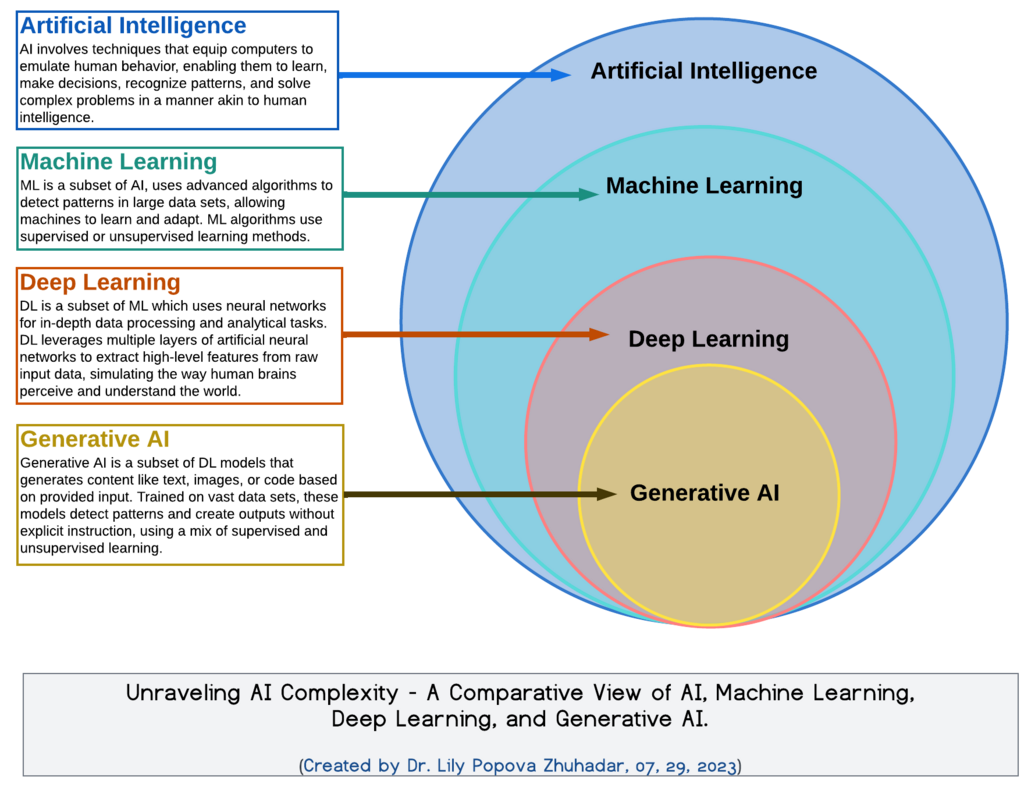
Artificial Intelligence (AI) is the overall concept of creating intelligent machines.
Machine Learning (ML) is a subset of AI. Instead of being explicitly programmed, ML algorithms learn patterns from data. A spam filter is a great example. It learns to identify junk mail by analyzing thousands of emails you've marked as spam.
Deep Learning (DL) is a specialized type of machine learning that uses structures called neural networks, which are loosely inspired by the human brain. Deep learning is the engine behind many of today's most impressive AI feats, like recognizing faces in photos or understanding spoken commands.
Another important subfield is Natural Language Processing (NLP), which focuses on the interaction between computers and human language. NLP makes it possible for you to talk to your phone's assistant, translate text from one language to another, or have a chatbot understand your questions.
AI in the Real World
AI is no longer just science fiction; it's a part of our daily lives and a powerful tool across many industries.
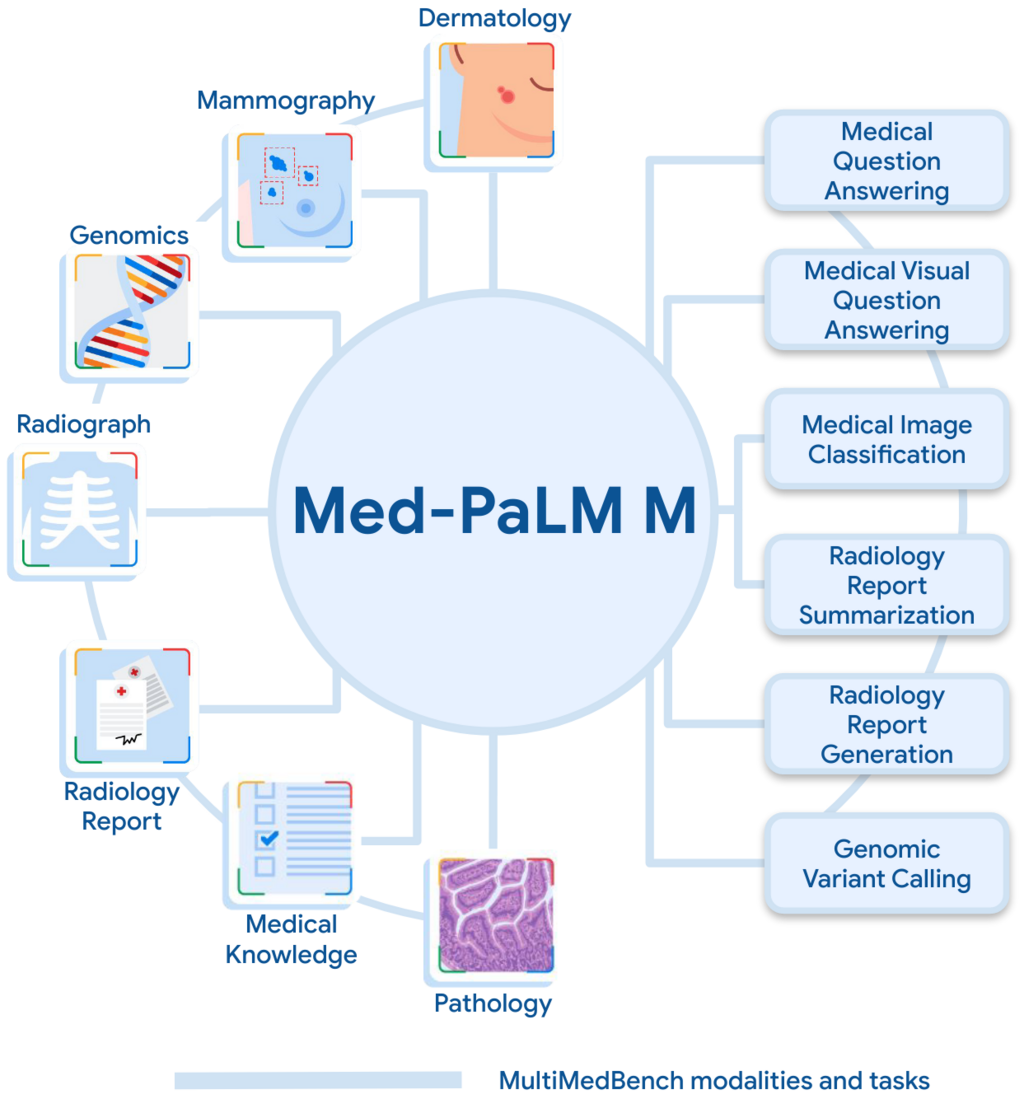
In healthcare, AI helps doctors analyze medical images like X-rays and MRIs, often spotting signs of disease that a human eye might miss. It also plays a role in discovering new drugs and personalizing treatment plans for patients.
The finance industry uses AI to detect fraudulent transactions in real-time, assess credit risk, and automate trading. When your bank sends you a text about a suspicious charge, there's a good chance an AI system flagged it first.
In transportation, AI is the key technology behind self-driving cars. It's also used in logistics to optimize delivery routes for shipping companies, saving fuel and time. Your navigation app uses AI to find the fastest way to your destination by analyzing live traffic data.
From personalized movie recommendations on streaming services to smarter ways of managing a city's power grid, AI's applications are constantly expanding.
Now that you have a foundational understanding of AI, let's test your knowledge.
What is the primary goal of Artificial Intelligence?
Which statement best describes the relationship between Artificial Intelligence (AI), Machine Learning (ML), and Deep Learning (DL)?
Grasping these core concepts is the first step in understanding the technology that is actively shaping our world.