Mastering Argentine Tango Orchestras
Introduction to Tango Music Evolution
From the Streets to the Ballroom
Tango music didn't start in grand concert halls. It was born in the streets and courtyards of Buenos Aires and Montevideo in the late 19th century. The earliest tango ensembles were small, portable trios, perfect for impromptu gatherings. They typically featured a guitar for rhythm, a flute for melody, and a violin to add a touch of soulful flair. The sound was light, playful, and had a walking tempo, known as tango-milonga.
This music was raw and full of energy, a blend of influences from European immigrants and local Argentine culture. It was music for the people, played in working-class neighborhoods far from the city's elite society.
The Soul of Tango
Around the turn of the 20th century, a new instrument arrived from Germany and changed everything: the bandoneón. It's a type of concertina with buttons on both sides, and it breathes in and out like an accordion. But its sound is something else entirely.
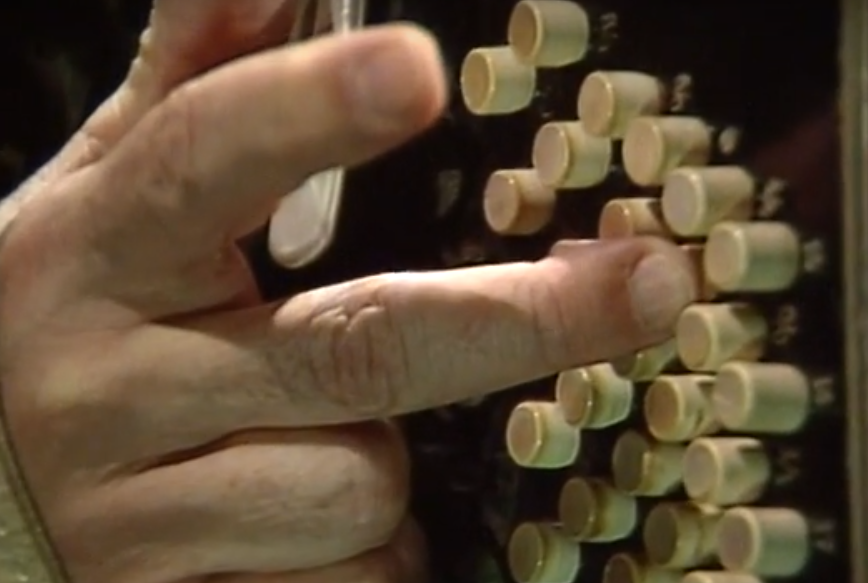
The bandoneón brought a new depth of emotion to tango. Its melancholic, reedy tone could express profound sadness, longing, and passion. It soon replaced the flute as the primary melodic instrument. The bandoneón became the very voice of tango, capable of sharp, rhythmic attacks (staccato) and long, sorrowful sighs. Its introduction marked a pivotal moment, shifting the music's mood from lighthearted to deeply dramatic.
The Orquesta Típica Arrives
As tango's popularity grew, it moved from the streets into cafés, cabarets, and dance halls. The small trios weren't loud enough for these larger venues, so ensembles began to expand. This led to the creation of the orquesta típica, the standard tango orchestra.
The orquesta típica became the definitive vehicle for tango music during its Golden Age, roughly from 1935 to 1955.
These orchestras had a more standardized lineup. The core rhythm section was now anchored by a piano and a double bass, providing a powerful and steady beat for dancers. The melodic section featured a line of violins playing in harmony, and most importantly, a formidable row of bandoneóns—often four or more—that drove the music's rhythmic and emotional intensity.
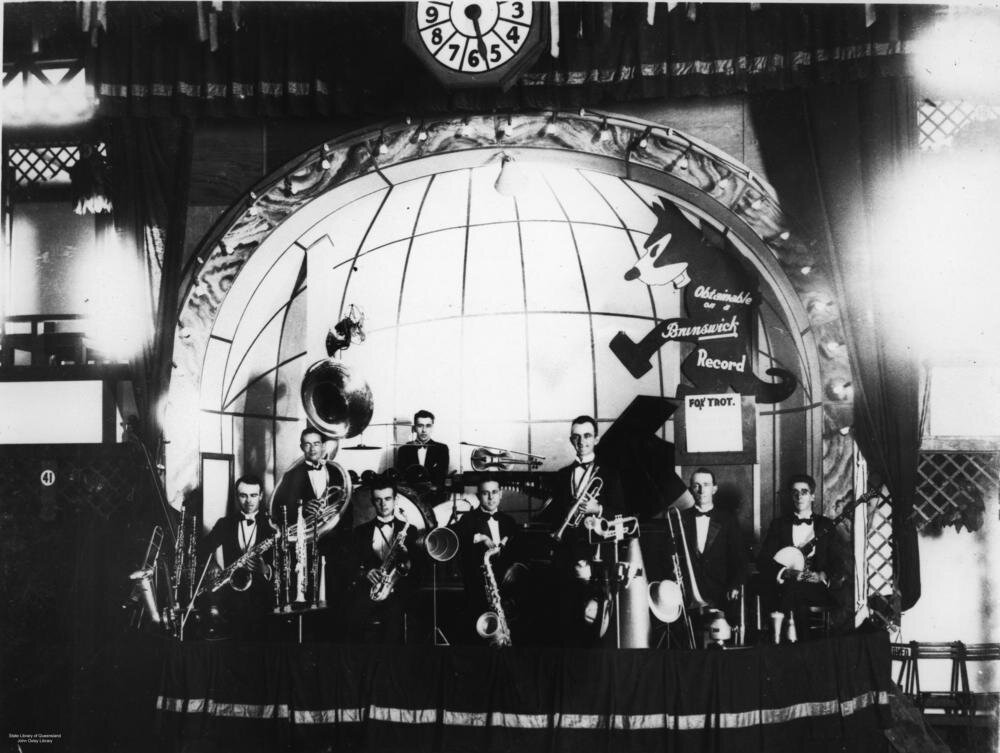
With the orquesta típica, tango became more polished and complex. Composers and bandleaders began arranging music with intricate harmonies and countermelodies, transforming the simple street music into a sophisticated art form. The style of tango music evolved significantly over time, from its early days to its peak popularity.
| Era | Feel & Rhythm | Common Instruments |
|---|---|---|
| Guardia Vieja (Old Guard) | Lively, fast, 2/4 time | Guitar, Flute, Violin |
| Golden Age | Slower, smoother, 4/4 time | Piano, Double Bass, Violins, Bandoneóns |
This evolution laid the groundwork for the distinct styles of the great tango orchestras, each with its own unique sound and interpretation of the music.
What three instruments typically formed the earliest tango trios?
The introduction of the bandoneón had what primary effect on the mood of tango music?
Understanding how the music developed helps in appreciating the rich history and emotional depth of tango.