Mastering Araki's Artistic Style
Introduction to Araki's Art
The Araki Aesthetic
Hirohiko Araki, the creator of the long-running manga series JoJo's Bizarre Adventure, has one of the most recognizable art styles in the industry. It’s a unique blend of hyper-detailed realism, flamboyant fashion, and classical art.
To understand Araki's style, you have to look at his influences. He draws heavily from classical Greek and Roman sculpture, which is clear in the powerful, chiseled physiques of his characters. He's also deeply inspired by high fashion. The intricate outfits and dramatic flair in his work often feel like they've walked straight off a runway. Think of brands like Versace and Gucci, which he has even collaborated with. This fusion of ancient art and modern fashion is key to his aesthetic.
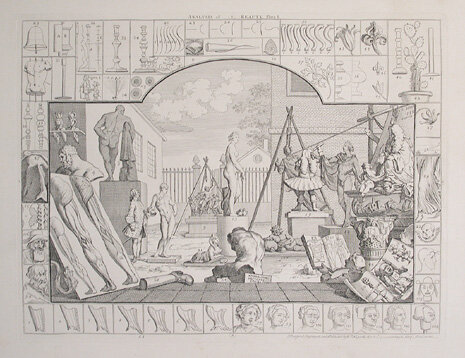
Sculpted Characters
Araki's characters often look as if they were carved from marble. His approach to anatomy isn't about strict realism, but about creating a sense of power and presence. Early in his career, characters were incredibly muscular, resembling bodybuilders. Over time, his style evolved towards leaner, more androgynous figures, but the underlying sculptural quality remains.
He achieves this through strong, deliberate line work. Notice the sharp, angular jawlines, the detailed rendering of muscles, and the way fabric drapes and folds. He pays close attention to the human form, but he’s not afraid to exaggerate proportions to enhance a character's personality or strength. A hero might have impossibly broad shoulders, while a villain might have long, spidery fingers. These choices are always intentional, designed to make a visual impact.
Araki's anatomy is a tool for expression, not a rulebook. He prioritizes drama and style over perfect realism.
Striking a Pose
If there's one thing Araki is famous for, it's the poses. His characters rarely just stand there. They twist, bend, and contort their bodies into dynamic, often physically impossible positions. These aren't just for show; they're a core part of his storytelling.
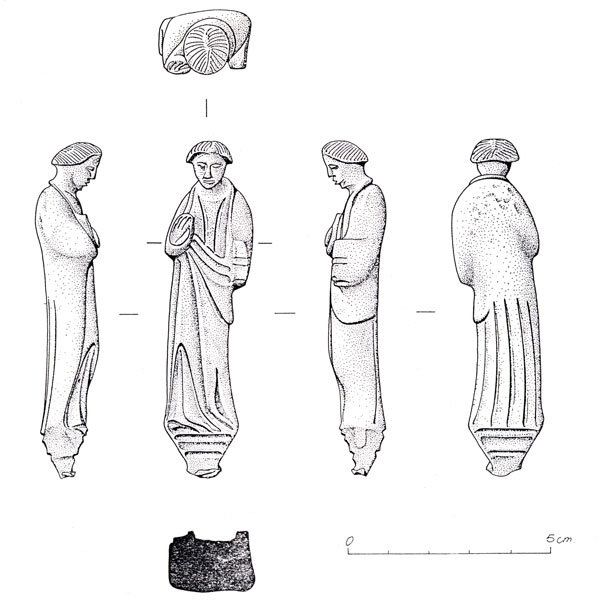
A character's pose can reveal their personality, their emotional state, or the nature of their powers. The inspiration, again, comes from classical sculpture and high-fashion modeling, where the body's posture is used to create a powerful silhouette and convey a specific mood. Araki's poses are filled with energy and tension, turning even a static panel into a scene of dramatic action.
By understanding these core principles—his classical and fashion influences, his sculptural approach to anatomy, and his use of dramatic posing—you can begin to see what makes his art so unique and enduring.