Mastering Arabic Thesis Writing for Tourism Translation
Understanding Master's Thesis Requirements
The Thesis Blueprint
Think of your Master's thesis as a formal, structured conversation with your academic community. It’s not just a long paper; it's a carefully constructed argument that follows a specific blueprint. While the exact order can vary slightly depending on your field and university, most theses follow a standard path to guide the reader through your research.
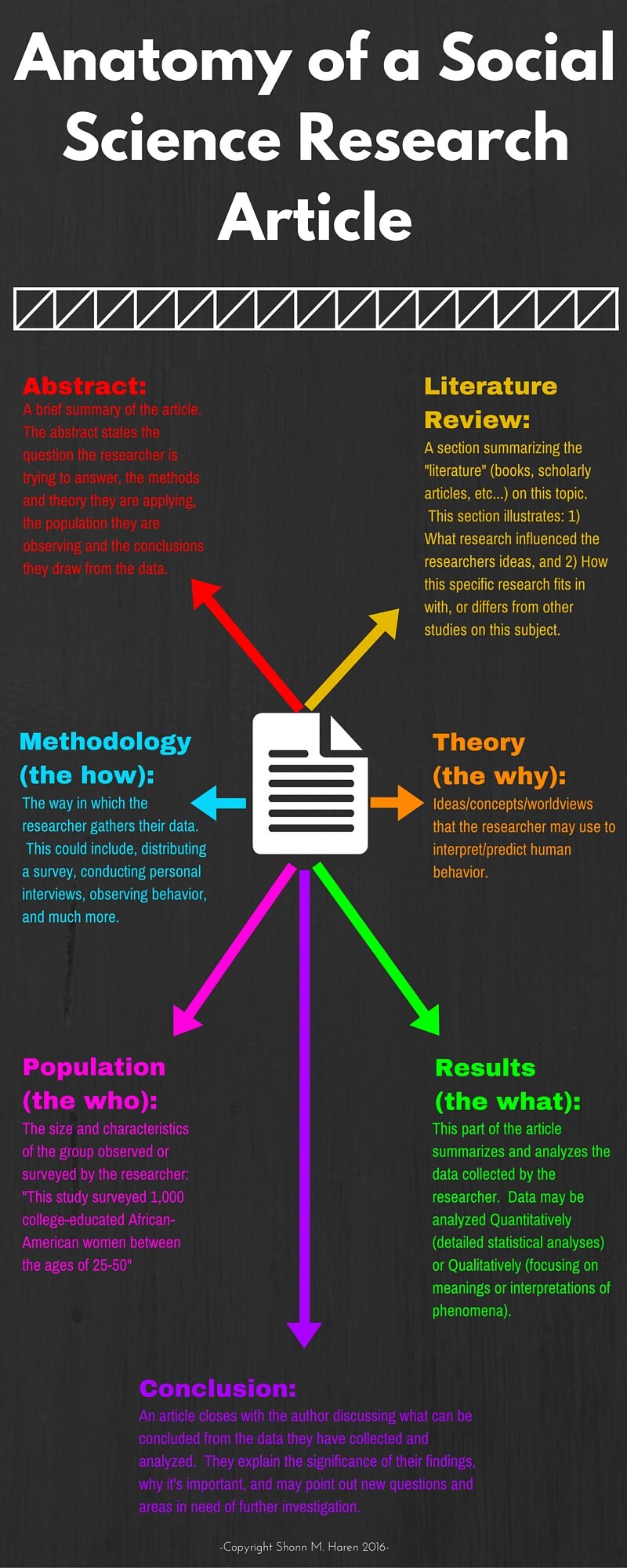
Generally, you'll start with front matter: a title page, acknowledgments, a table of contents, and lists of tables or figures. Then comes the core of your work. This begins with an introduction that sets the stage, states your research problem, and outlines your argument. The main body follows, typically containing a literature review, your methodology, the results of your research, and a discussion of those results. Finally, you’ll have a conclusion that summarizes your findings and suggests areas for future research. The back matter includes your bibliography and any appendices.
Formatting for Clarity
Proper formatting ensures your work is professional and easy to read. Arabic academic writing has its own conventions. Since text flows from right to left, your entire document, including page numbers and headings, must be set up accordingly. Pay close attention to your university's specific style guide, as they will have the final say on what is acceptable.
| Element | Common Guideline |
|---|---|
| Font | Traditional Arabic fonts like Traditional Arabic or Sakkal Majalla are preferred. Font size is usually 14pt for body text and 16pt for headings. |
| Margins | Typically 2.5 cm (1 inch) on all sides, but some universities require a wider margin on the right for binding. |
| Spacing | 1.5 or double spacing is standard for the main body of the text. |
| Page Numbers | Usually placed in the bottom center or top left corner, using Arabic numerals (١, ٢, ٣). |
Originality and Contribution
A Master's thesis must be more than just a summary of other people's work. It needs to offer something new to the conversation. This is your contribution to the field. It doesn’t have to be a groundbreaking discovery that changes the world, but it must be an original piece of research.
Originality can come from applying an existing theory to a new case study, using a novel methodology to examine an old problem, or analyzing a previously unstudied set of data.
Your work will be checked for plagiarism, which is the act of using someone else’s ideas or words without giving them proper credit. It's a serious academic offense. The goal is to build upon the work of others, not to copy it. Your unique analysis and perspective are what make the thesis yours.
Navigating University Rules
Every university has its own set of specific rules for theses. These aren't suggestions; they are firm requirements. You'll need to get a copy of your department's or graduate school's thesis guidelines and follow them to the letter. These documents will specify details like page limits. Some programs may have a minimum of 80 pages, while others might expect 100-150 pages.
Language policy is another key area. While the main body of your thesis will be in Arabic, many universities, especially those with international programs, require an abstract in English in addition to the Arabic one. The abstract is a concise summary of your work, and providing it in both languages makes your research accessible to a wider global audience. This small requirement plays a big role in sharing knowledge across linguistic borders.
Abstract
noun
A brief, comprehensive summary of the contents of the thesis. It allows readers to quickly survey the work's main points and purpose.
Now that you understand the core requirements, let's test your knowledge.
What is the primary function of the introduction in a Master's thesis?
When formatting a thesis in Arabic, the right-to-left text flow only applies to the main body paragraphs.