Mastering App Subscription Models
Introduction to Subscription Models
What Are Subscription Models?
At its core, a subscription model is a simple trade. A user pays a recurring fee, typically monthly or yearly, in exchange for continuous access to an app's features, content, or services. Instead of a one-time purchase, the relationship becomes ongoing. This creates a steady, predictable stream of income for the developer and gives the user constant value.
The biggest advantage of this model is that it shifts the focus from a single transaction to a long-term customer relationship.
Think of it like a gym membership versus a day pass. The day pass is a one-off purchase. A membership, however, fosters loyalty and provides the gym with reliable revenue to maintain and improve its facilities. For apps, this stability allows for continuous development, new features, and better support.
Common Subscription Types
Not all subscriptions are the same. App developers usually pick from a few popular models, each with its own way of attracting and keeping users.
Freemium
noun
A business model where a company offers basic or limited features to users at no cost and charges a premium for supplemental or advanced features.
The freemium model is one of the most common approaches. Users can download and use a basic version of the app for free, forever. This lowers the barrier to entry, letting people try the app without any commitment. If they like it and want more power, they can upgrade to a paid plan. Cloud storage services often do this, offering a few gigabytes for free and charging for more space.
Another popular method is the free trial. Here, users get full access to all premium features, but only for a limited time—like a week or a month. The goal is to let them experience the app's full value, making them more likely to subscribe once the trial ends. Many streaming services use this to hook new customers.
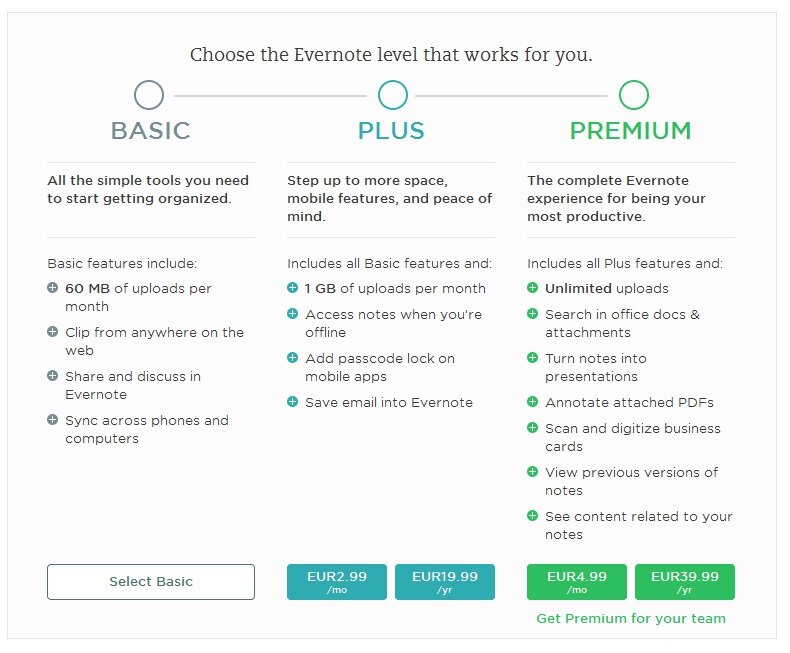
Finally, there are tiered subscriptions. This model offers several subscription levels at different price points. Each higher tier unlocks more features, content, or usage limits. It's a flexible approach that caters to different types of users, from casual individuals to power users or businesses.
| Tier | Price/Month | Features |
|---|---|---|
| Basic | Free | Read 5 articles, limited search |
| Plus | $5 | Unlimited articles, advanced search |
| Pro | $10 | Unlimited articles, offline access, no ads |
The Upside of Subscriptions
The biggest draw for developers is financial stability. A one-time purchase model leads to lumpy, unpredictable income. One month might be great, the next could be a slump. Subscriptions smooth this out.
Subscriptions provide recurring revenue, which helps you maintain financial stability.
When you can forecast your monthly revenue with some accuracy, you can make better decisions. You can budget for new hires, plan marketing campaigns, and invest in new features with confidence.
Beyond the money, subscriptions build stronger user relationships. A paying subscriber is invested in your app. They're more likely to provide feedback, engage with new updates, and act as advocates for your product. This creates a valuable feedback loop that helps the app evolve in a way that truly serves its users.
Potential Hurdles
Of course, it's not all easy. One of the biggest challenges is customer churn.
Churn
noun
The percentage of subscribers to a service who discontinue their subscriptions within a given time period.
Just as easily as users can sign up, they can also cancel. If the app isn't providing consistent value, if it's too expensive, or if a better competitor comes along, users will leave. Retaining subscribers means constantly proving your app is worth the recurring fee.
Another challenge is user acquisition. Convincing someone to make a single purchase is one thing; getting them to commit to a recurring payment is a much harder sell. It requires building trust and clearly communicating the long-term value of the subscription. This often means investing more in marketing and creating a smooth onboarding experience to get users to that "aha!" moment as quickly as possible.
What is the primary financial advantage of a subscription model for app developers compared to a one-time purchase model?
An app that offers several different subscription levels at various price points, each unlocking more features or higher usage limits, is using which model?
Subscription models offer a powerful way to build a sustainable app business, but they require a long-term commitment to providing value.