Mastering APA Writing Style
Introduction to APA Style
What Is APA Style?
APA style is a set of rules for writing and formatting academic papers. The name comes from the American Psychological Association, which created the guidelines. While it started in psychology, its use has spread far beyond.
APA (American Psychological Association) style is used by social science disciplines such as communication studies, economics, education, psychology, and sociology.
Think of it as a shared language for researchers. When everyone follows the same format, it's easier to focus on the ideas instead of getting lost in a confusing layout. The main goals are to make papers clear, consistent, and easy to read. This helps writers present their ideas logically and allows readers to find information quickly.
A Brief History
Back in the 1920s, academic writing was a bit of a free-for-all. Researchers in the social sciences had no common format for their papers. Journals were filled with articles that had inconsistent punctuation, heading structures, and citation styles. It was messy and inefficient.
In 1929, a group of psychologists, anthropologists, and business managers met to solve this problem. They created a simple set of guidelines to bring order to the chaos. This short guide, published in a psychology journal, was the first version of what we now know as the APA Publication Manual.
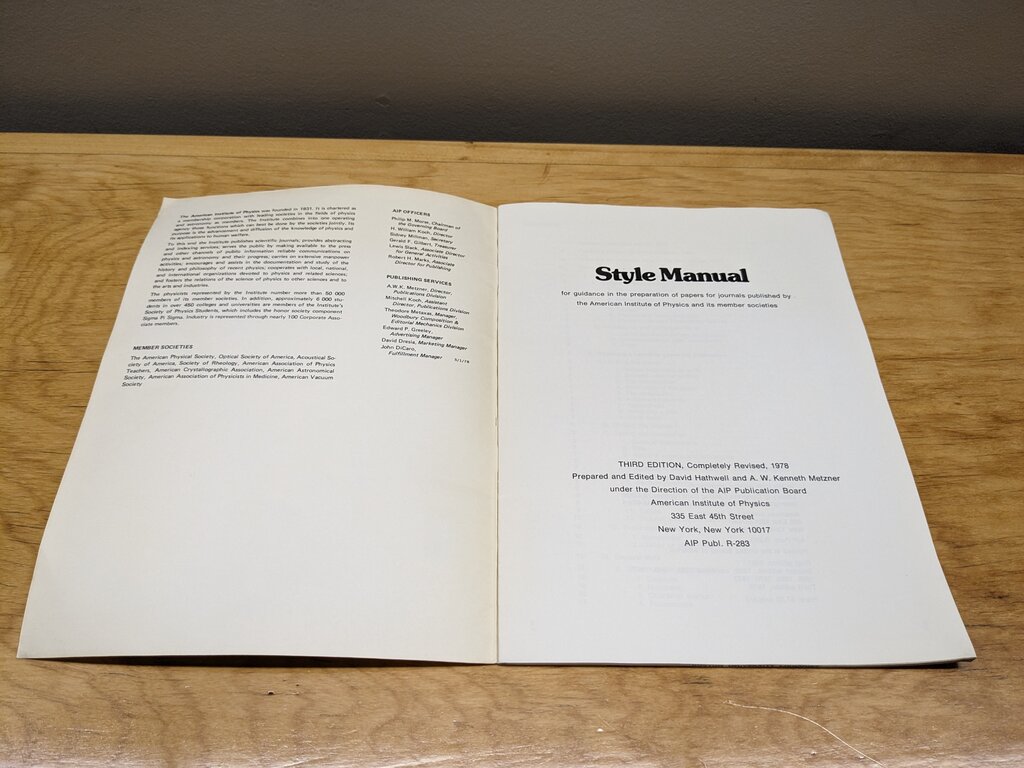
Over the years, the manual has grown and adapted, reflecting changes in technology and research practices. But its core mission remains the same: to provide a stable, uniform standard for scientific communication.
The Core Principles
You don't need to memorize every rule to understand what APA is about. The entire system is built on a few key principles.
Clarity: Write in a way that is straightforward and easy to understand. Avoid jargon when possible, and explain it when it's necessary. The goal is communication, not complexity.
Uniformity: Structure your paper in a predictable way. Readers should know exactly where to find the introduction, method, results, and references. This consistency saves time and reduces confusion.
Credibility: Give credit to the researchers whose work you build upon. A clear and consistent citation system shows that you've done your homework and allows others to verify your sources.
These principles work together to make scholarly communication more effective. When you follow them, your own work becomes more persuasive and professional.
Why Citations Are Crucial
The principle of credibility is so important that it deserves a closer look. At the heart of APA style is its system for citing sources. Every time you present an idea or fact that isn't your own, you must credit the original author. This is done in two places: an in-text citation in the paragraph where the information appears, and a full entry in the reference list at the end of the paper.
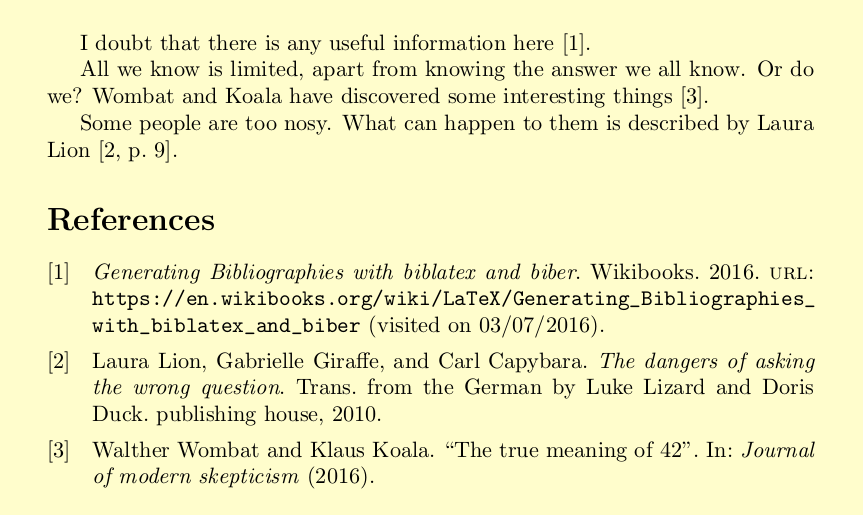
This practice is the best way to avoid plagiarism, which is presenting someone else's work or ideas as your own. Whether intentional or not, plagiarism is a serious breach of academic integrity.
Document Your Sources Properly: Cite your sources accurately and adhere to the appropriate citation style (e.g., APA, MLA, Chicago) to give credit to the original authors and enable readers to verify the information independently.
But citing sources is about more than just following rules. It’s how you join the ongoing conversation in your field. It shows respect for the work that came before and provides a roadmap for readers who want to explore the topic further. Proper citation strengthens your arguments and roots your work in the collective knowledge of a discipline.