Mastering Anti-Fraud Frameworks
Introduction to Fraud
What is Fraud?
At its heart, fraud is a simple act of deception. It’s when someone intentionally lies or misleads to gain something they aren't entitled to. Think of it as a magic trick with a victim. The magician isn't just creating an illusion for entertainment; they're using that illusion to pick your pocket.
Fraud
noun
The intentional use of deception to secure unfair or unlawful gain.
The key word is intentional. An honest mistake on a financial report isn't fraud. Forgetting to log a small expense isn't fraud. Fraud happens when there is a deliberate plan to deceive for personal or corporate benefit. It’s the difference between accidentally bumping into someone and purposefully tripping them.
The Three Main Flavors
While the methods can be complex, most organizational fraud falls into one of three main categories.
- Financial Statement Fraud: Lying about the numbers to make a company look healthier than it is.
This is often called “cooking the books.” It’s when management deliberately misrepresents a company's financial health. They might inflate revenues, hide expenses, or undervalue liabilities. The goal is often to deceive investors, secure loans, or boost stock prices. For example, a manager might record sales that haven't actually happened yet to meet a quarterly target and earn a bonus.
- Asset Misappropriation: Stealing or misusing company resources.
This is the most common type of fraud and the easiest to understand. It's simply theft. This can range from an employee pocketing cash from a register to creating fake invoices for a non-existent company and paying themselves. Other examples include padding expense reports, stealing inventory, or using a company credit card for personal purchases. While individual thefts might be small, they can add up to huge losses over time.
- Corruption: Abusing influence for personal gain.
Corruption involves an employee using their position of power improperly to benefit themselves. This category includes activities like bribery, conflicts of interest, and extortion.
A classic example is a kickback scheme. Imagine a purchasing manager for a large company. A supplier offers to pay the manager 10% of every order if the manager chooses them, even if their prices are higher than competitors. The manager agrees, the company overpays for supplies, and the manager gets a secret payoff. That's corruption.
The Ripple Effect
The cost of fraud isn't just the money that gets stolen. The consequences can spread through an organization like a virus, causing damage that lasts for years.
The obvious impact is financial loss. This includes the stolen assets themselves, plus the costs of investigating the fraud, hiring lawyers, and paying fines.
Perhaps more damaging is the hit to a company's reputation. News of a fraud scandal can destroy trust with customers, suppliers, and investors. A company that was once seen as a stable industry leader can quickly become known for its ethical lapses. Rebuilding that trust can take years, if it can be done at all.
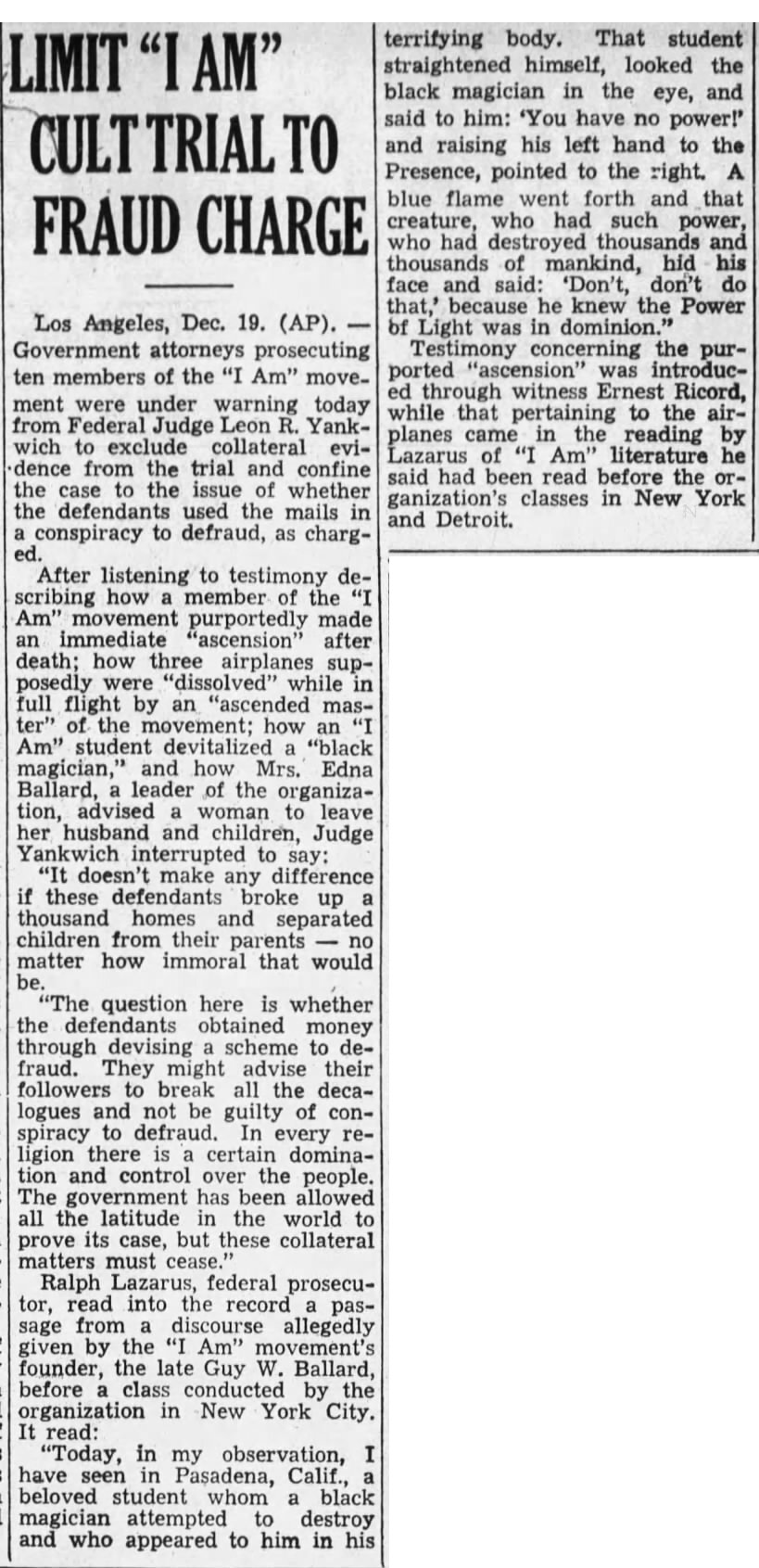
Finally, there are the legal consequences. Individuals who commit fraud can face criminal charges, leading to prison time and hefty fines. The organization itself can be sued by shareholders or face regulatory action. These legal battles are expensive, time-consuming, and can distract the company from its core business.
Understanding these basic elements of fraud is the first step toward recognizing and addressing it.