Mastering Answer Engine Optimization
Introduction to AEO
Search Isn't What It Used To Be
For decades, searching online meant typing in a few words and getting back a list of blue links. Your job was to click through them, piece together information, and find your own answer. That's changing fast. Today, when you ask a question, you often get a direct answer synthesized by artificial intelligence right at the top of the page.
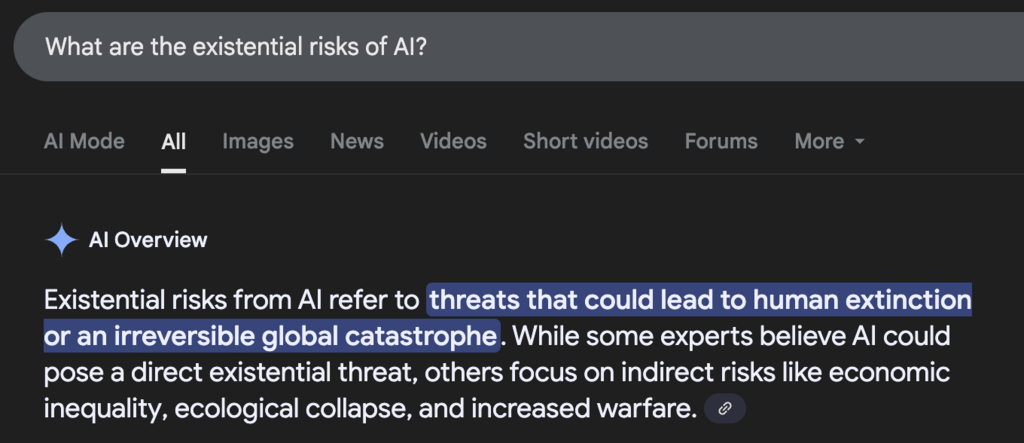
Instead of just pointing you to websites, search engines are becoming answer engines. They consume information from across the web and deliver a single, convenient response. This shift requires a new strategy for anyone creating content online. It's no longer enough to just be on the list; you have to be part of the answer.
This new field is called Answer Engine Optimization, or AEO.
Answer engine optimization (AEO) is the process of making your content easy for AI-powered systems — like Google AI Overviews and ChatGPT — to find, understand, and cite.
SEO vs. AEO
Traditional Search Engine Optimization (SEO) is about climbing the rankings. The goal is to get your website as close to the #1 spot as possible. Think of it like trying to get your book placed on the most visible shelf in a library.
AEO has a different goal. It's about becoming the trusted source that the AI engine quotes. In our library analogy, this is like being the expert the librarian consults to answer a visitor's question directly. The librarian might not hand over your whole book, but they'll cite your key ideas. AEO aims to make your content so clear, structured, and authoritative that AI systems choose it to construct their answers.
| Traditional SEO | Answer Engine Optimization (AEO) | |
|---|---|---|
| Primary Goal | Rank #1 in a list of links. | Be cited as the source in an AI answer. |
| Focus | Keywords, backlinks, domain authority. | Clarity, structured data, user intent. |
| Content Style | Comprehensive, long-form articles. | Concise, direct, conversational answers. |
With SEO, the focus is on signaling relevance to an algorithm through keywords and links from other sites. With AEO, the focus is on providing direct value. Can an AI easily parse your content to satisfy a user's query? The content is structured less like a long essay and more like a Q&A, with clear, direct answers that an AI can easily lift and present.
Why This Matters Now
This isn't a distant, futuristic idea. AI-powered search is already here, and it's fundamentally altering how people find information. When users get an instant answer, they have less reason to click through to individual websites. This has massive implications for web traffic.
Some analysts project that brands relying solely on traditional SEO could see a 20-40% drop in organic traffic by 2026. As AI becomes more integrated into search, voice assistants, and chatbots, the digital landscape will increasingly reward content that provides direct answers over content that simply ranks well.
The game is no longer just about visibility in a list. It's about influence within an AI-generated conversation.
This shift from a list of links to a direct answer represents a core change in the internet's structure. Adapting means rethinking how we create and structure information online, moving from a mindset of ranking to one of answering.