Mastering Answer Engine Optimization
Introduction to AEO
The Rise of Answer Engines
For years, the rules of the internet were simple: if you wanted to find something, you went to a search engine. You typed in a few keywords, hit 'Enter', and got a list of links. The goal for creators and businesses was to get their link as close to the top as possible. This was the world of Search Engine Optimization, or SEO.
But that world is changing. Search is becoming a conversation. Instead of just getting a list of websites, users now get direct answers synthesized by artificial intelligence. Think about asking your phone a question and getting a spoken answer, or seeing a detailed summary pop up at the top of your search results. These are answer engines at work.
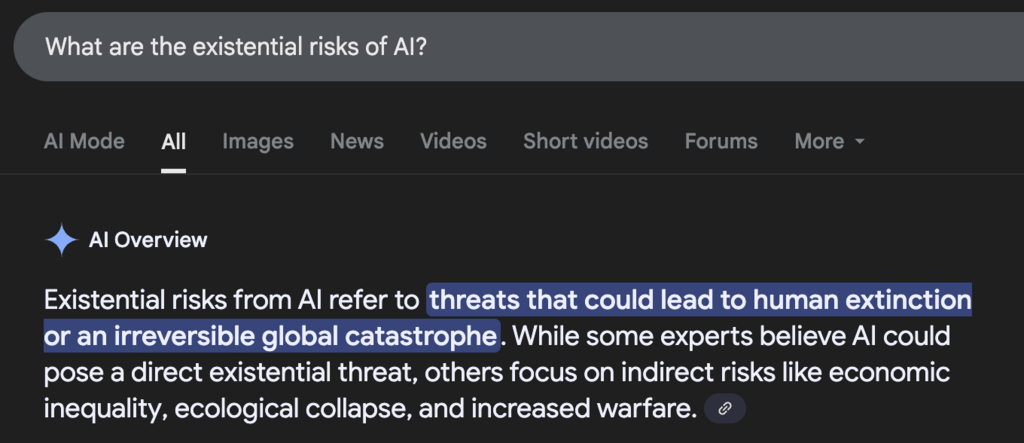
This shift requires a new approach. It's no longer enough to be on the list; you need to be the answer. This is where Answer Engine Optimization (AEO) comes in.
Answer Engine Optimization
noun
The process of structuring and creating content so that AI-powered systems can easily find, understand, and cite it when generating direct answers to user queries.
Answer engine optimization (AEO) is the process of making your content easy for AI-powered systems — like Google AI Overviews and ChatGPT — to find, understand, and cite.
SEO vs AEO
AEO isn't a replacement for SEO, but an evolution. SEO is focused on visibility in a ranked list of links, while AEO is focused on visibility within a generated answer. One gets you a click; the other makes you the source of knowledge.
Think of it this way: SEO helps a search engine find your library book in a vast collection. AEO helps the AI librarian open your book, read a specific passage, and quote it directly to answer a question. Both are important, but they serve different functions in the new information landscape.
| Aspect | Traditional SEO | Answer Engine Optimization (AEO) |
|---|---|---|
| Primary Goal | Rank higher in a list of links | Be the source for an AI-generated answer |
| Focus | Keywords and backlinks | Structured data, clarity, and context |
| User Interaction | User clicks a link to visit a page | User gets a direct answer, often without clicking |
| Success Metric | Website traffic and link position | Citations and inclusion in AI responses |
The fundamental difference lies in the audience. With SEO, you're writing for a human who will click a link. With AEO, you're structuring your content primarily for a machine that will read, interpret, and repurpose it.
Why AI Needs Clear Content
Artificial intelligence doesn't 'read' in the same way a human does. It processes information by identifying patterns, entities, and relationships within the text. Vague language, poorly organized articles, or unstructured data can confuse an AI, making it less likely to use your content as a source.
Optimizing for AI means making your information as clear and logical as possible. This involves:
- Answering questions directly: Structuring content in a question-and-answer format.
- Using clear headings and lists: Breaking down complex topics into digestible chunks.
- Defining key terms: Ensuring the AI understands the specific concepts you're discussing.
- Providing structured data: Using technical markups that explicitly label pieces of information for the AI.
When content is structured this way, an AI can confidently extract the facts it needs to build a trustworthy and accurate answer. Your expertise becomes the foundation for its response.
In the age of AI, clarity is the new keyword. The more understandable your content is to a machine, the more visible it will be to humans.
Now, let's test your understanding of these core concepts.
What is the primary goal of Answer Engine Optimization (AEO)?
When optimizing for AEO, who is the primary 'audience' you are structuring your content for?
Understanding AEO is the first step toward adapting your content strategy for the future of search. It's about shifting your mindset from chasing rankings to providing clear, authoritative answers.