Mastering Answer Engine Optimization for Student Accommodation
Introduction to AEO
A New Kind of Search
For decades, finding information online meant typing a query into a search bar and sifting through a list of blue links. Search Engine Optimization, or SEO, was the art of getting your link to the top of that list. But that's changing fast.
Now, when you ask a question, you often get a direct, synthesized answer right at the top of the page. AI-powered search engines and voice assistants don't just point you to information; they find it, process it, and present it to you as a finished product.
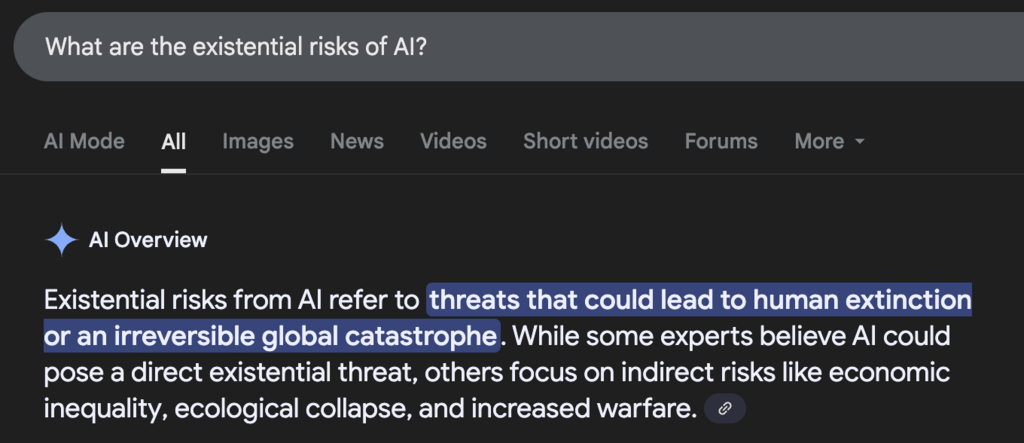
This shift requires a new approach. Instead of just optimizing for search engines, you need to optimize for answer engines. This practice is called Answer Engine Optimization, or AEO.
At its core, Answer Engine Optimization (AEO) means structuring and shaping your content so that answer engines...can easily extract, understand, and cite your information.
Think of it this way: if a user asks an AI assistant about the best hiking trails in Colorado, you don't just want your website to be on a list of results. You want the AI to quote your website's description of a trail as the definitive answer.
SEO vs. AEO
While AEO and SEO are related, their goals are different. Traditional SEO is a race for visibility in a ranked list. The prize is a click. AEO is a competition for authority and trust. The prize is becoming the source of truth for an AI-generated answer.
Unlike traditional SEO, where the main goal is to rank higher on search engines like Google or Bing to attract clicks, AEO focuses on making your content the answer itself.
This means moving beyond just targeting keywords. AEO requires creating clear, factual, and well-structured content that directly addresses specific questions. The focus shifts from what words people are searching for to what information they are seeking.
| Traditional SEO | Answer Engine Optimization (AEO) | |
|---|---|---|
| Primary Goal | Rank high in a list of links | Become the cited source in an AI answer |
| Focus | Keywords and backlinks | User intent and factual accuracy |
| Content Strategy | Long-form articles, blog posts | Concise, well-structured, easy-to-parse data |
| User Interaction | User clicks a link to find an answer | User gets a direct answer from the engine |
Adapting to the AI Era
The rise of generative AI in search isn't just a trend; it's a fundamental change in how we access information. Users are getting accustomed to conversational, immediate answers from tools like ChatGPT, Google's AI Overviews, and voice assistants like Siri and Alexa.
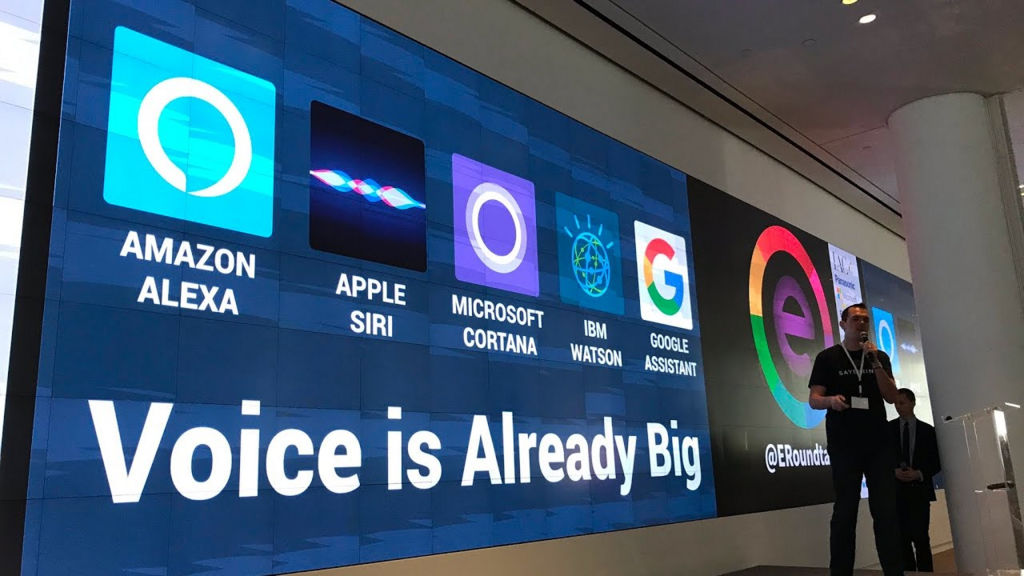
For brands and content creators, ignoring this shift means becoming invisible. If your content isn't structured in a way that AI can understand and trust, you won't be featured in these new answer formats. This can lead to a significant drop in visibility and traffic, as users no longer need to click through to various websites to piece together information.
The key is to make your content the most reliable and easily digestible source available on a given topic. This involves writing with clarity, using structured data where possible, and directly answering the questions your audience is asking. It's about providing clear, authoritative signals that tell an AI, "The best answer is right here."
What is the primary goal of Answer Engine Optimization (AEO)?
How does the focus of AEO differ from that of traditional SEO?