Mastering Ansible Automation
Introduction to Ansible Automation Platform
Automation for Everyone
Imagine you're in charge of a fleet of delivery trucks. At first, with only a few trucks, you can give each driver instructions personally. But as your fleet grows to hundreds or thousands, this manual approach becomes impossible. You'd need a central dispatch system to send out routes, track progress, and handle updates efficiently. This is the problem Ansible Automation Platform solves, but for IT infrastructure instead of trucks.
It's an end-to-end solution for automating IT tasks. This isn't just about running a script on one server. It’s about managing your entire digital environment, from deploying new software and configuring systems to orchestrating complex, multi-step workflows across your entire infrastructure.
Ansible is a software platform that automates many of the manual and repetitive IT tasks in your organization.
Instead of logging into servers one by one to install updates or change settings, you can define the desired state of your systems in a simple, human-readable language. Ansible then takes over, ensuring every server, network device, and cloud service matches that state. This approach saves time, reduces human error, and makes your infrastructure more predictable and reliable.
The Platform's Core
At the heart of the Ansible Automation Platform are two key components that work together: the automation controller and execution environments.
Automation Controller is the central brain and user interface for your automation. Think of it as the dispatch center for our delivery fleet. It's where you define, store, and launch your automation jobs. The controller provides a web-based UI, a REST API, and role-based access control, so you can manage who has permission to run which tasks. It also gives you a centralized log of all automation activities, which is crucial for auditing and troubleshooting.
Execution Environments are the tools the drivers use. These are self-contained environments, like containers, that bundle everything needed to run a piece of automation. This includes Ansible itself, any specific collections or modules, and all the required software dependencies (like Python libraries or SDKs). By packaging everything together, execution environments ensure that automation runs consistently and predictably, no matter where it's launched from. You can have different environments for different tasks, like one for managing network devices and another for interacting with a specific cloud provider.
The controller provides the what and who (the job to run and the permissions), while execution environments provide the how (the actual tools and dependencies to get it done).
Why Bother?
Adopting a platform like this offers significant benefits beyond just running scripts. It introduces a structured, scalable way to manage your infrastructure.
First is consistency. By defining your infrastructure as code, you eliminate manual configuration drift, where servers that should be identical slowly become different over time. This makes your systems more reliable and easier to manage.
Second is scalability. The platform is designed to manage tens of thousands of systems from a central point. As your infrastructure grows, your automation practices can grow with it without becoming unwieldy. New team members can quickly get up to speed by looking at the existing automation rather than trying to decipher years of manual changes.
Finally, it fosters collaboration. With a centralized platform, different teams—development, operations, security—can share and reuse automation content. This breaks down silos and allows everyone to contribute to a more efficient and secure IT process. The controller's access controls ensure that people only have the permissions they need, adding a layer of security to your automated workflows.
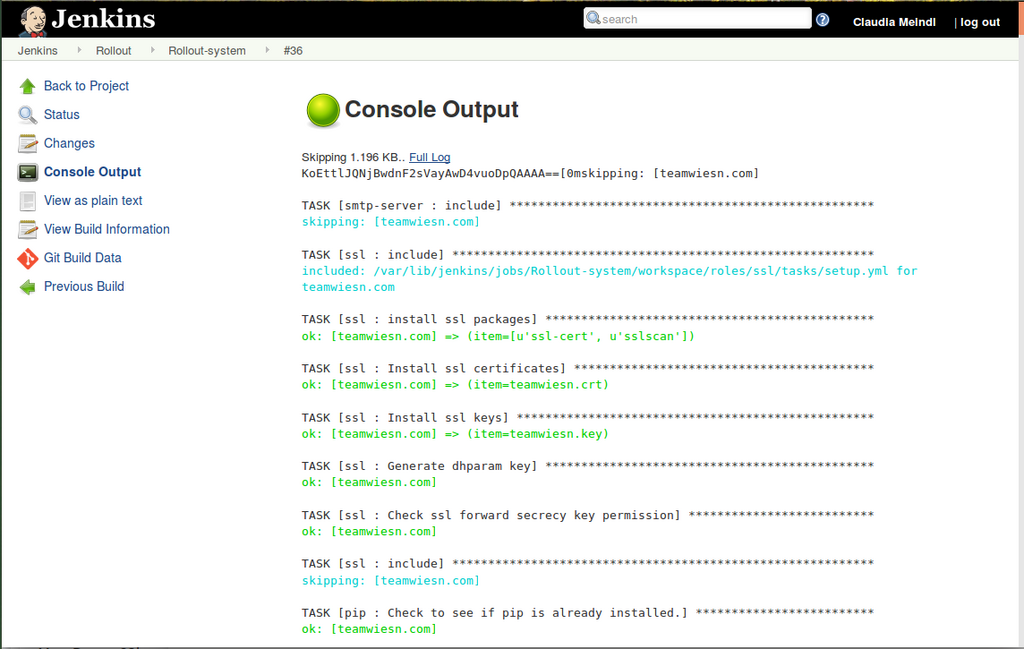
This platform provides the foundation. Once you understand its structure, you can begin to write the actual instructions, called Playbooks, that tell Ansible what you want to achieve.
What is the primary problem Ansible Automation Platform is designed to solve in an IT environment?
In the Ansible Automation Platform, what is the role of the automation controller?