Mastering Anger Management Techniques
Biological Warning Signs
Your Body's Alarm System
Anger doesn't just appear in your mind. It shows up in your body first. Long before you might shout or say something you regret, your body sends out subtle alarms. You might feel your heart begin to race, your jaw clench, or your shoulders tighten up toward your ears. These physical signals are somatic markers of rising anger. Learning to recognize them is the first step toward managing the emotion, rather than letting it manage you. Think of it as catching a wave before it crests. By noticing these early biological warnings, you can intervene before an 'emotional hijack' takes over your rational brain.
The Fight-or-Flight Response
These physical sensations are not random. They are part of a deeply ingrained survival mechanism known as the fight-or-flight response triggered by the sympathetic nervous system. When your brain perceives a threat, whether it's a real danger or an infuriating comment, it sounds an internal alarm. Your adrenal glands flood your system with hormones like adrenaline and cortisol. This is a full-body event.
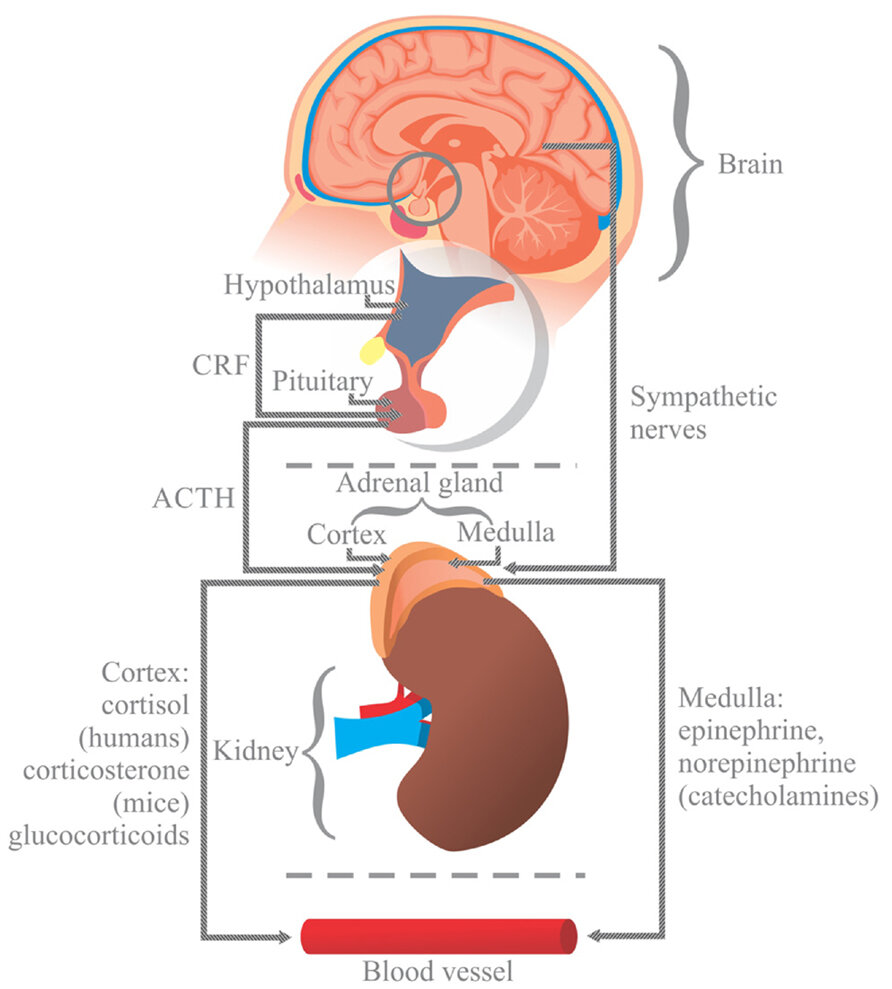
This hormonal surge prepares your body for intense physical action. Your heart rate and blood pressure increase to pump blood to your muscles. Your breathing becomes fast and shallow to maximize oxygen intake. Your muscles tense up, ready to spring into action. Your pupils dilate to take in more light. Even your digestion slows down, as it's not a priority when survival is on the line. While this system is brilliant for escaping a predator, it's less helpful when the 'threat' is a frustrating email or a traffic jam.
Mapping Your Anger
Since anger manifests physically, you can create a 'body map' to identify your personal warning signs. This technique involves paying close, non-judgmental attention to your body when you start to feel irritated. It's a mindful check-in from head to toe. Do you clench your jaw? Do your fists ball up? Does your stomach get tied in knots? Does a hot flush creep up your neck and into your face?
Try it now. Close your eyes for a moment and scan your body. Where are you holding tension? You might be surprised what you find.
By consistently identifying where your anger lives, you create an early-warning system. The moment you notice that familiar tightness in your shoulders, you know it's time to act. This awareness is the pivot point where you can choose a different path.
Cooling the System
Once you've detected the warning signs, you can use simple physiological tools to calm the fight-or-flight response. These techniques work by activating the parasympathetic nervous system, also known as the 'rest and digest' system. It acts as a brake, countering the effects of adrenaline and cortisol.
Diaphragmatic Breathing
One of the fastest ways to apply this brake is through deep, diaphragmatic breathing. Unlike the shallow chest breathing that accompanies stress, this technique involves using your diaphragm, the large muscle at the base of your lungs. Slowing down your breath sends a powerful signal to your brain that the danger has passed.
How to do it: Place one hand on your chest and the other on your belly. Inhale slowly through your nose for a count of four, feeling your belly expand while your chest stays relatively still. Exhale slowly through your mouth for a count of six. The longer exhale is key to stimulating the [{
}] and activating the relaxation response. Repeat this 5-10 times.
Progressive Muscle Relaxation (PMR)
is another powerful technique for releasing the physical tension that fuels anger. It involves systematically tensing and then relaxing different muscle groups throughout your body. This process not only releases physical stress but also highlights the contrast between tension and relaxation, making you more aware of when you are holding onto stress.
How to do it: Find a quiet place. Start with your hands and arms. Tense them for 5 seconds, making a tight fist. Then, release the tension completely for 15-20 seconds, noticing the feeling of relaxation. Work your way through your body: forehead, jaw, neck and shoulders, chest, stomach, legs, and feet. Tense, then release.
Mastering these body-focused techniques provides a powerful, immediate way to de-escalate anger. By learning to read your body's signals and respond with intentional relaxation, you build the foundation for lasting emotional control.
What are the subtle physical alarms the body sends out as anger begins to rise?
The 'fight-or-flight' response is an ingrained survival mechanism. Which of the following is NOT a typical physiological change during this response?