Mastering Anecdotal Storytelling
Understanding Storytelling
More Than Just Words
We tell stories every day. When you recount a funny thing that happened at the store, you're telling a story. When you explain to a client how your product solved a problem for someone else, you're telling a story. It's one of the most natural forms of human communication.
Storytelling
noun
The art of conveying events, experiences, or information through a narrative that connects with an audience on an emotional level.
But what makes a story different from just a list of facts? A story has a sequence and, more importantly, it has meaning. It’s not just what happened, but why it matters. This simple shift is what transforms a dry report into a compelling narrative that people actually want to hear.
Why Stories Stick
Have you ever sat through a presentation full of data and forgotten it all minutes later? Yet, you can probably remember a story someone told you years ago. There's a scientific reason for that. Our brains are wired for narrative.
When we hear a list of facts, only the language-processing parts of our brain light up. But when we listen to a story, our brain reacts as if we're experiencing the events ourselves. The sensory cortex, which processes sights and sounds, becomes active. If the story mentions a delicious meal, our gustatory cortex fires up. This full-brain engagement makes stories far more memorable and impactful.
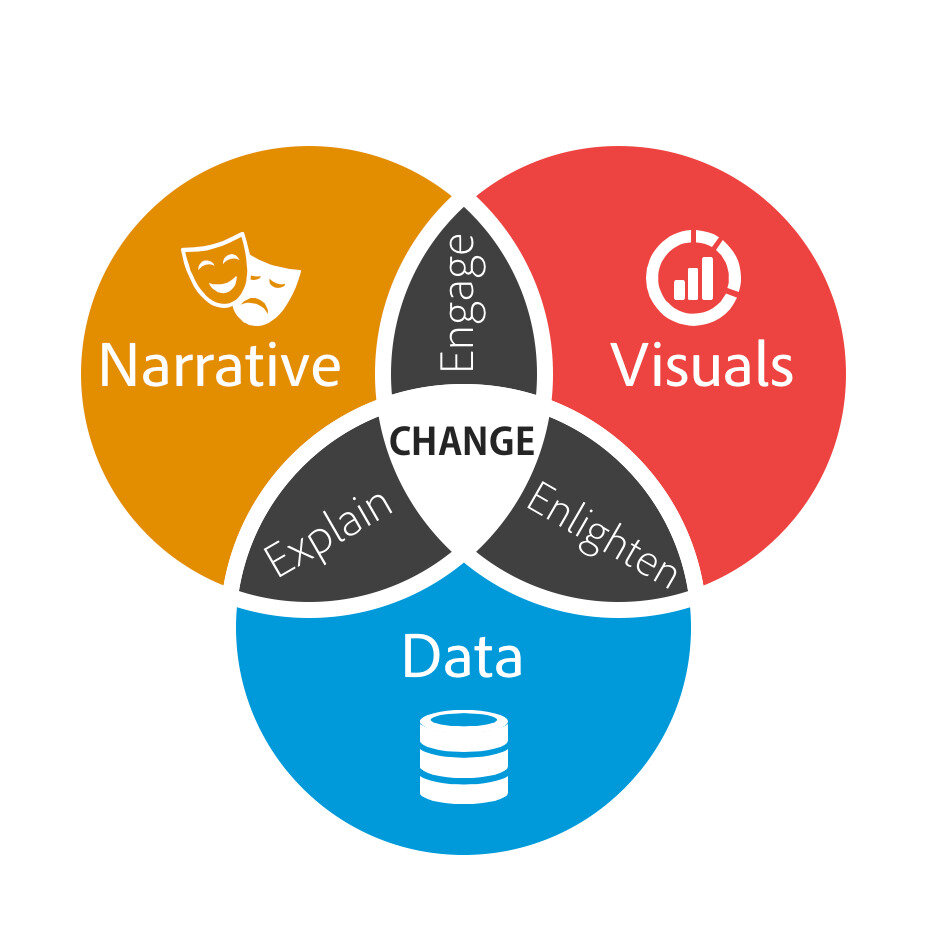
Stories also trigger an emotional response. They can release hormones like cortisol during tense moments and oxytocin, the “empathy hormone,” when we connect with the characters. This emotional investment is the glue that makes a message stick. Facts tell, but stories sell—not just products, but ideas, arguments, and points of view.
Emotion is the fast lane to the brain. If you want someone to remember your message, make them feel something.
Storytelling in Your World
The power of storytelling isn't just for novelists or filmmakers. It's a practical tool for everyday communication, both personally and professionally.
In your personal life, a well-told anecdote strengthens bonds with friends and family. It’s how we share who we are and learn about others. Think about the stories that get retold at family gatherings—they’re a core part of your shared history.
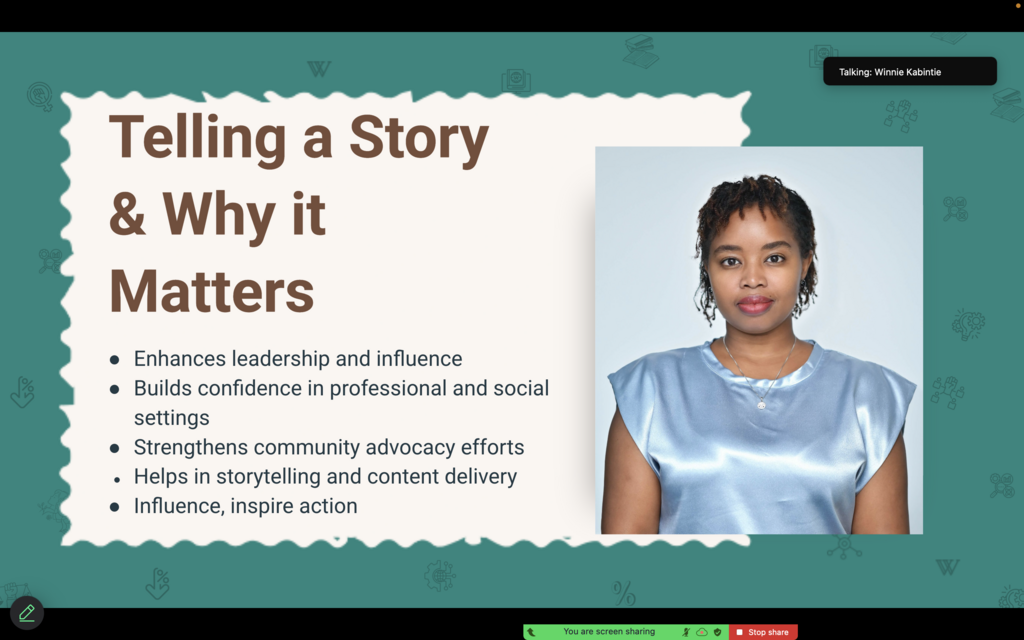
In a professional context, storytelling is a superpower. A manager who shares a story about a past failure and the lessons learned is more relatable and trustworthy. A salesperson who tells a story about a customer's success is more persuasive than one who just lists product features. A job candidate who frames their experience as a narrative shows not just what they did, but why it matters and what they're capable of.
Essentially, wrapping your message in a story gives it context and purpose, making it easier for your audience to understand, remember, and act on.
Use your projects to weave a compelling narrative about your professional journey and the value you bring to your field.
Now that you understand the what and why of storytelling, let's test your knowledge.
What is the most important element that distinguishes a story from a simple list of facts?
According to brain science, why is a narrative more memorable than a data-heavy presentation?
By understanding these core principles, you can start to see opportunities all around you to communicate more effectively through the simple power of a story.