Mastering Analytical Reading
Introduction to Literary Analysis
Beyond the Plot
Reading a story is one thing; understanding how it works is another. Literary analysis is the process of looking deeper into a text to see how its parts create a whole. It’s less about what happens in the story and more about how and why it happens the way it does.
Think of it like being a mechanic instead of just a driver. A driver knows how to operate the car, but a mechanic understands how the engine, transmission, and electrical systems work together to make it move. Literary analysis is about looking under the hood of a text to see what makes it run.
The goal isn't just to consume a story, but to understand its construction and its effects on the reader.
What We Look For
When we analyze literature, we're searching for the layers of meaning beneath the surface. This search usually focuses on a few key areas.
Themes are the central ideas or messages the work explores. A story about a robot who wants to be human isn't just about a robot; it might be exploring themes of identity, humanity, or what it means to belong.
Authorial intent considers the choices an author makes. Why did they choose a particular word? Why structure a sentence in a certain way? We analyze the author's techniques to understand how they shape our experience of the story. It's about the craft behind the art.
Structural elements are the building blocks of the narrative. This includes the plot, setting, characterization, and point of view. How does the author arrange these pieces? A story told out of chronological order, for example, creates a very different effect than one told from beginning to end.
How to Look Closer
To uncover these deeper meanings, we need specific methods for looking at a text. Two foundational techniques are close reading and explication de texte. Both involve focusing intensely on the details of the writing.
Close Reading
noun
The careful, sustained interpretation of a brief passage of text. It emphasizes the single and particular over the general, paying close attention to individual words, syntax, and the order in which sentences and ideas unfold.
Close reading means slowing down. Instead of reading for plot, you read for patterns, language, and nuance. You might focus on a single paragraph or even a single sentence, asking questions about every choice the author made. Why this metaphor? What's the effect of this comma? It's like being a detective, and the words are your clues.
Every word, every piece of punctuation is a deliberate choice.
A more formal and systematic version of this is known as explication de texte.
explanation of text
This French term refers to a detailed, line-by-line commentary on a short passage. The goal is to explain how the form and language of the selection contribute to its meaning. While close reading can be more exploratory, an explication is a structured argument that moves methodically through the text to show how it functions.
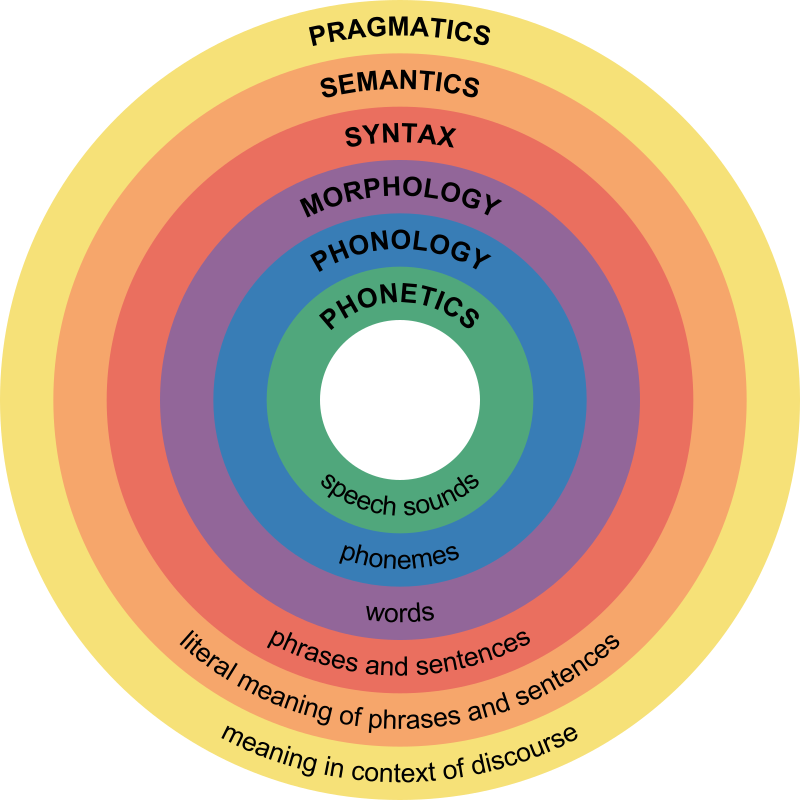
Both techniques share the same core belief: the big ideas in a work of literature are built from the small details. By learning to pay attention to those details, we can unlock a much richer understanding of any text we read. Now, let's test your understanding of these foundational concepts.
What is the primary goal of literary analysis?
The provided text compares a literary analyst to a mechanic. What does this analogy highlight?
Literary analysis transforms reading from a passive hobby into an active conversation with the text. By looking closely at themes, authorial choices, and structure, you can discover layers of meaning that bring stories to life in new ways.