Mastering Amortization
Amortization Fundamentals
Spreading the Cost
In accounting, timing is everything. Expenses should be recognized in the same period as the revenue they help generate. This is known as the matching principle. But what happens with a cost that provides benefits over many years, like a five-year loan for new equipment or a ten-year patent for an invention? You don't expense the entire cost upfront. Instead, you spread it out. That spreading-out process is called amortization.
Amortization
noun
The accounting practice of systematically spreading the cost of an intangible asset or a loan over a specific period. It allocates a portion of the cost to each accounting period in the asset's or loan's lifespan.
Amortization provides a more accurate picture of a company's financial health. By matching costs to the periods they benefit, it prevents massive, misleading swings in profitability. It's a fundamental concept that shows up in two main places: paying back loans and expensing intangible assets.
Paying Down Debt
When you take out a loan, like a mortgage or a car loan, you typically make regular, equal payments. This payment schedule is a form of amortization. Each payment you make is split into two parts: one part covers the interest accrued for that period, and the other part pays down the actual loan balance, known as the principal.
Early in the loan's life, most of your payment goes toward interest. As you continue making payments and the principal shrinks, the interest portion of each payment also gets smaller. Consequently, a larger portion of your payment goes toward reducing the principal. Over time, you shift from paying mostly interest to paying mostly principal, until the loan is fully paid off.
This systematic process ensures that by the end of the loan term, the entire principal and all accumulated interest have been paid in full.
Expensing Intangible Assets
The same core principle of spreading out a cost applies to intangible assets. Unlike physical assets such as buildings or machinery, intangible assets lack physical substance. Think of patents, copyrights, trademarks, and customer lists. These have value, but you can't touch them.
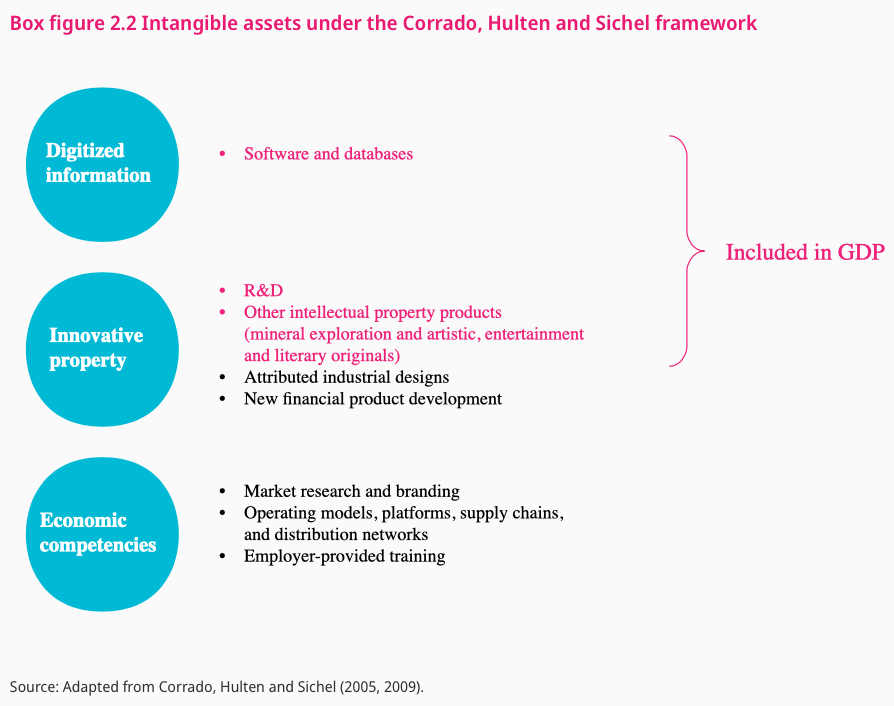
When a company acquires an intangible asset with a finite useful life (meaning it won't generate value forever), it must amortize its cost. The cost of the asset is divided by its useful life, and that amount is recorded as an amortization expense on the income statement each year. For example, if a company buys a patent for $100,000 that has a useful life of 10 years, it will record $10,000 in amortization expense annually for a decade.
This is the direct counterpart to depreciation, which is the term used for expensing tangible assets like equipment. Both are methods of cost allocation that help a company's financial statements reflect the gradual consumption of an asset's value.
Amortization is for intangible assets; depreciation is for tangible assets. Both spread an asset's cost over its useful life.
Why Amortization Matters
Understanding amortization is crucial for a few key reasons. For financial reporting, it ensures that a company's expenses are properly matched with revenues, providing a more stable and realistic view of profitability. An income statement that reflects gradual amortization expense is much more informative than one showing a single, huge expenditure in the year an asset was purchased.
For tax purposes, amortization is also significant. Amortization expense is typically tax-deductible, meaning it reduces a company's taxable income. This can result in a lower tax bill. Proper management of amortization schedules allows businesses to plan their tax liabilities more effectively.
Whether for a loan or an asset, amortization is a simple but powerful tool for turning a large, one-time cost into a series of smaller, manageable expenses over time.
Time to test your knowledge.
What is the primary accounting principle that amortization helps to uphold?
A tech company purchases a software license for $120,000. The license has a useful life of 5 years. What is the annual amortization expense the company should record on its income statement?