Mastering AI Search Optimization
Introduction to AI-Driven Search
From Links to Answers
For decades, search engines worked in a straightforward way. You typed a query, and the engine would crawl the web, match your keywords to indexed pages, and present a ranked list of links. The goal for any website was to land on that first page, a practice known as Search Engine Optimization, or SEO.
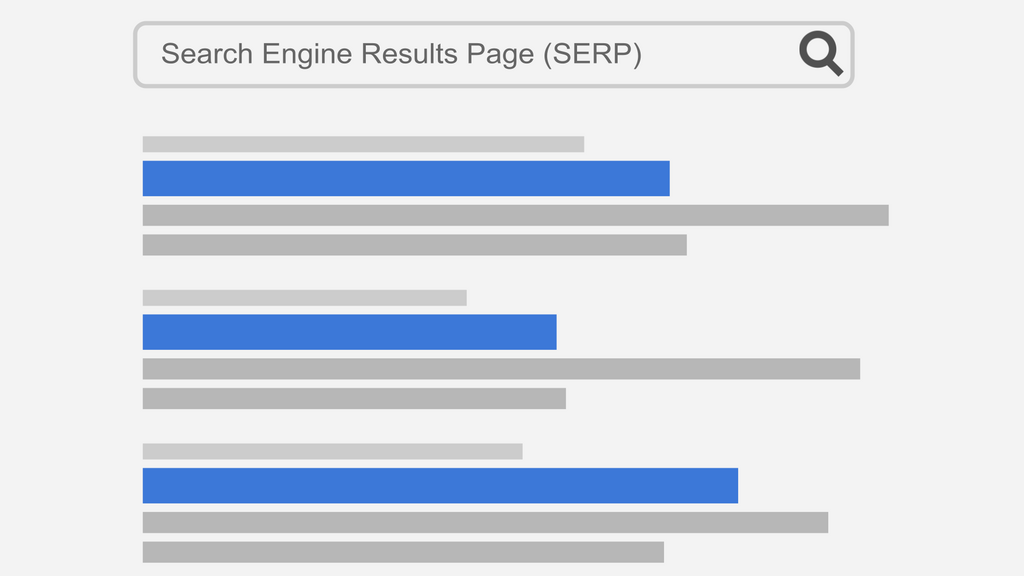
Artificial intelligence has changed the game. Modern search engines are becoming more like conversation partners. Instead of just matching keywords, they use AI to understand the intent and context behind your questions. They can process natural, everyday language and grasp complex ideas.
This leads to a fundamentally different kind of result. Instead of just giving you a list of links to sort through, AI-powered search provides direct, synthesized answers right on the results page. Google calls them AI Overviews. These summaries are generated on the spot, drawing information from multiple sources to give you a single, comprehensive answer.
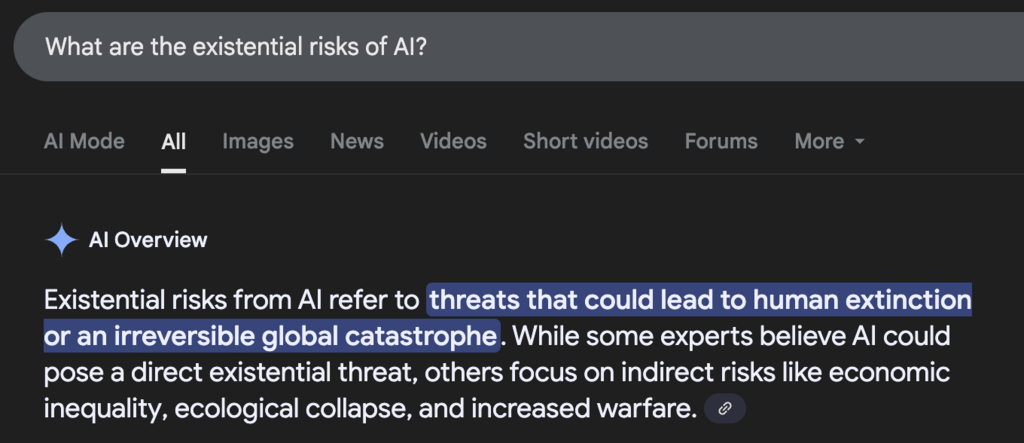
When users get their answer without clicking any links, the old rules of SEO are no longer enough. Being the top link is still valuable, but it's now just as important to be the source material for the AI's generated answer. This shift in user behavior has created a new field of optimization.
A New Set of Acronyms
Just as SEO became the standard for traditional search, several new strategies are emerging for this AI-driven world. They all aim to make content more visible and trustworthy to AI systems.
| Acronym | Full Name | Focus |
|---|---|---|
| AEO | Answer Engine Optimization | Making content the definitive source for AI-generated answers. |
| GEO | Generative Engine Optimization | Optimizing for AI engines that synthesize new content and cite sources. |
| AIO | AI Optimization | A broad term for all strategies aimed at increasing visibility in AI systems. |
| LLMO | Large Language Model Optimization | A more technical approach to influencing the outputs of specific language models. |
These new fields don't replace SEO. Instead, they build on it. A well-structured, authoritative website—the kind that does well in traditional search—is also a great foundation for AI optimization. The goal is no longer just to rank pages but to become a trusted source that AI models rely on to create their answers.
Generative Engine Optimization (GEO) is the art of tailoring your digital presence to thrive in this new landscape, where algorithms don’t just rank pages—they synthesize answers.
Now, let's check your understanding of these new concepts.
What was the primary goal of traditional Search Engine Optimization (SEO)?
How do modern AI-powered search engines differ from traditional ones in understanding user queries?
Understanding this shift from a list of links to direct answers is key to seeing where the future of finding information online is headed.