Mastering AI Search for Business Growth
Introduction to AI-Powered Search
From Blue Links to Conversations
Not long ago, using a search engine felt like a game of keyword bingo. You’d type in a few words, hit enter, and get a list of ten blue links. The engine's job was simple: match the words in your query to the words on a webpage. If you were lucky, the perfect result was on the first page. If not, you’d try a new combination of keywords and hope for the best.
This system worked, but it had a major flaw. It didn't understand what you meant. It only understood the words you used. A search for "how to make a car go faster" might pull up a page about painting racing stripes on it, simply because the words matched. The engine was a literalist, unable to grasp context, intent, or the nuances of human language.
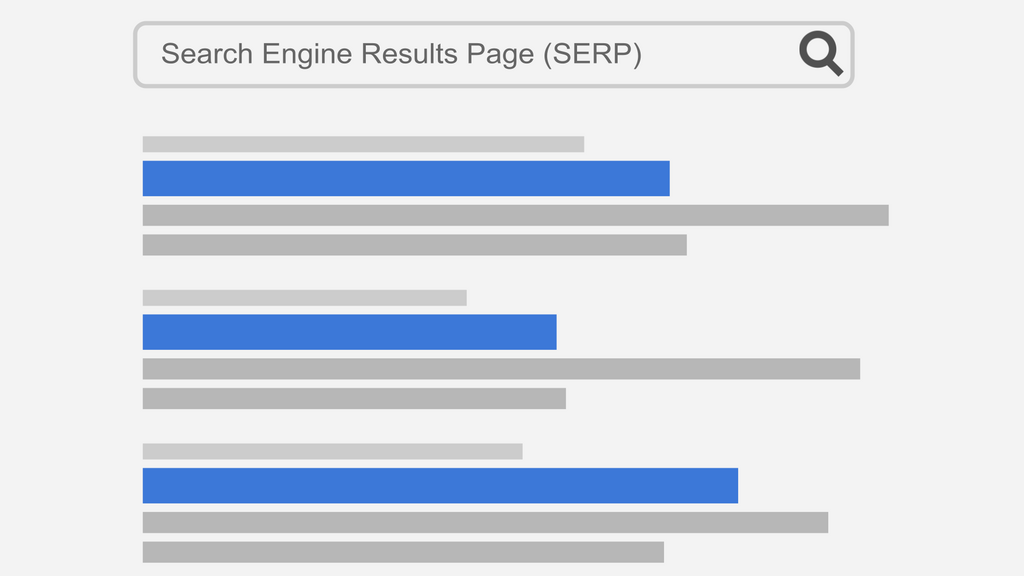
Search has evolved. It's now a conversation. You can ask complex questions, use natural, everyday language, and get direct answers, not just links. This leap forward wasn't just an upgrade; it was a fundamental change powered by artificial intelligence.
How AI Changed the Game
Artificial intelligence gave search engines the ability to think more like humans. Instead of just matching keywords, they can now interpret the meaning behind your query. This is largely thanks to two core components of AI: machine learning and natural language processing.
Machine Learning
noun
A field of AI where computer systems learn and adapt through experience, by analyzing and drawing inferences from patterns in data, without being explicitly programmed.
Think of machine learning as the search engine's brain, constantly learning from the trillions of searches people make every day. When someone searches for "what's that movie with the talking raccoon" and clicks on a page for Guardians of the Galaxy, the system learns a new connection. It doesn't need to be told that people associate a "talking raccoon" with that specific film; it figures it out from user behavior. This allows it to deliver better, more relevant results for future, similar queries.
Machine learning also personalizes your results. It learns your interests over time, so if you're a coffee enthusiast, a search for "java" is more likely to show you local cafes than information about the programming language.
Machine learning helps search engines understand what results are most helpful by analyzing patterns in past search behavior.
Understanding Language
The second key ingredient is Natural Language Processing, or NLP. This is the part of AI that helps computers understand human language as it's spoken and written. NLP allows search engines to break down a sentence, understand the relationships between words, and grasp the overall intent.
Thanks to NLP, you can ask a question like, "How old was Queen Elizabeth when she became queen?" The search engine understands that "she" refers to Queen Elizabeth and that you're asking for her age at a specific point in time. It doesn't just look for pages with all those words; it comprehends the question and searches for the answer.
This ability to understand meaning and context is what powers the direct answers you often see at the top of a search page, called AI Overviews or featured snippets. The engine has processed and understood information from various sources and synthesized a direct, conversational answer for you.
Search engines now rely heavily on artificial intelligence (AI) to understand user intent, process natural language, and deliver results in new formats like Google’s AI Overviews or generative AI snippets.
This shift from a keyword-matching index to an AI-powered knowledge engine is the foundation of modern search. Understanding this change is the first step toward learning how to create content that is visible not just to traditional search algorithms, but to the AI systems that now curate how we find information.
What was the major limitation of early, keyword-based search engines?
According to the provided text, what are the two core AI components that revolutionized search?
Now that you've learned the basics of how AI has transformed search, you're ready to explore the new strategies required to be visible in this evolving landscape.