Mastering AI Prompts
Introduction to AI Language Models
What Is a Language Model?
At its heart, an AI language model is a sophisticated text predictor. You give it a piece of text, and its main job is to guess what word comes next. It does this over and over, stringing words together to form sentences, paragraphs, and even entire articles. Think of it as the autocomplete on your phone, but far more powerful.
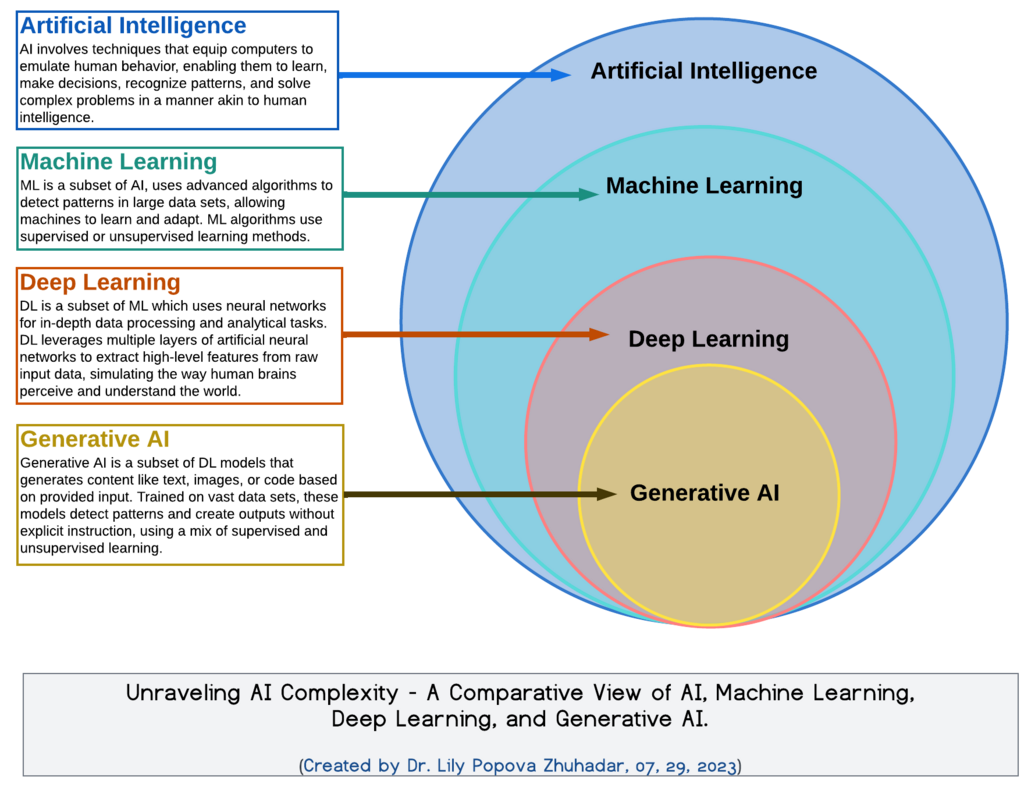
Large language models (LLMs) are AI systems that understand and create human language, doing tasks like summarizing articles, answering questions, writing code, and more.
These models, often called Large Language Models (LLMs), are a specific type of artificial intelligence. They are built on a foundation of machine learning, which allows them to learn patterns from data without being explicitly programmed for every single task.
The key to their ability is a special architecture called a transformer. This design, introduced in 2017, was a game-changer. It allowed models to weigh the importance of different words in the input text, paying attention to context in a way previous models couldn't. This is why a modern LLM can understand that the word "bank" means something different in "river bank" versus "money in the bank."
Training a Digital Brain
So how does a model learn to predict text so well? By reading. A lot. Developers feed LLMs a massive collection of text and code from the internet, books, and other sources. This is called pre-training. During this phase, the model's only goal is to predict the next word in a sentence. For instance, given the phrase "the cat sat on the ___", it learns that "mat" is a more likely next word than "sky".
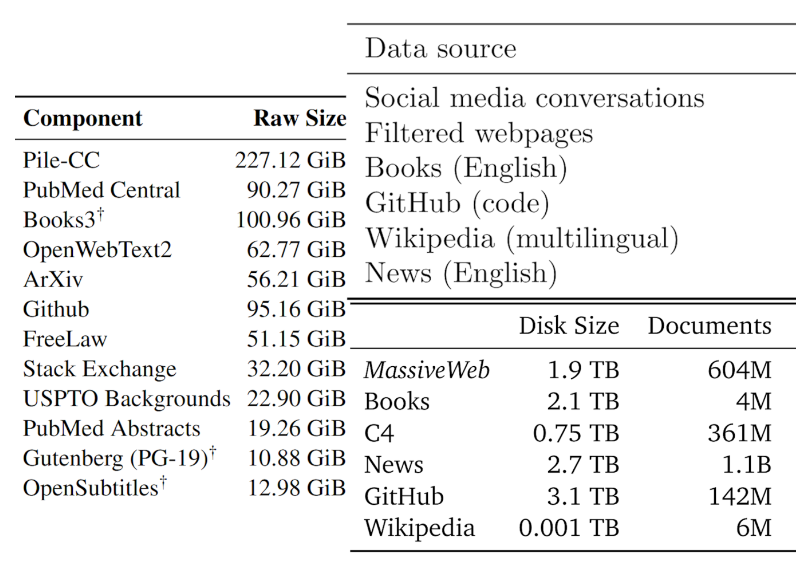
Through billions of these predictions, the model builds an internal, statistical understanding of how words, grammar, facts, and even reasoning styles are related. This process doesn't teach the model to "understand" in a human sense, but it gets incredibly good at recognizing and recreating patterns.
The evolution of models like GPT showcases this rapid improvement. GPT-3 was a major leap, capable of generating coherent and creative text. GPT-4 improved on this with better reasoning and the ability to process images as well as text. The next generation, like GPT-5.1, continues to push boundaries, becoming more accurate, reliable, and capable of handling more complex tasks.
Each new version is not just bigger; it's trained with more sophisticated techniques, leading to significant gains in its ability to follow instructions and generate helpful responses.
What They Can and Can't Do
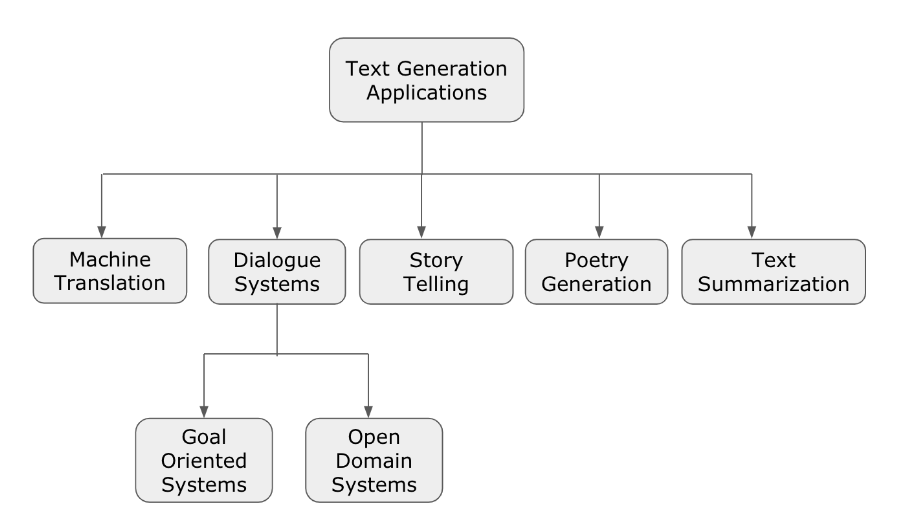
The applications for LLMs are vast. They can power chatbots for customer service, help developers write code, translate languages, draft emails, summarize long documents, and act as creative partners for writers and artists. They're being integrated into everything from search engines to productivity apps.
However, it's crucial to remember their limitations. LLMs don't possess true understanding or consciousness. Their knowledge is frozen at the point their training data ends, so they may not know about recent events. Most importantly, they can sometimes make up incorrect information with complete confidence, a phenomenon known as "hallucination."
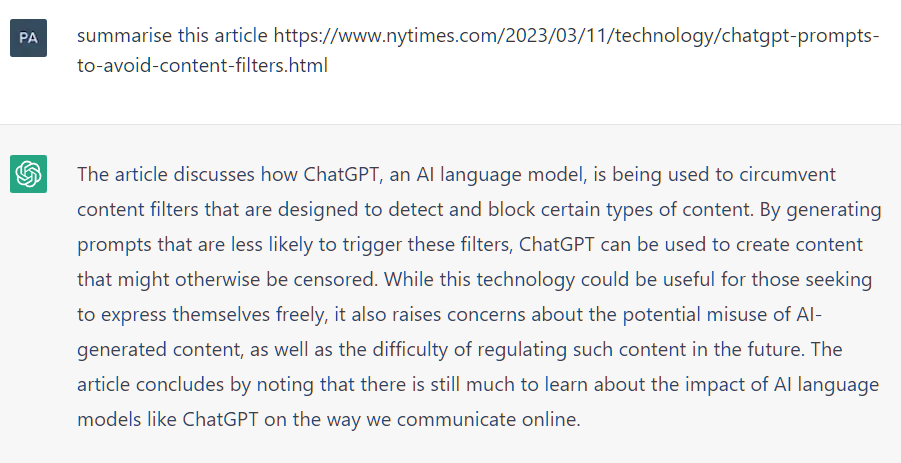
Because they are simply predicting the next most plausible word, they can generate text that is biased, factually wrong, or nonsensical. They are powerful tools, but they require critical oversight from the user. Understanding this foundation is the first step to using them effectively and responsibly.
What is the fundamental task of an AI language model?
What is the name of the special architecture, introduced in 2017, that was a game-changer for allowing models to weigh the importance of different words for context?