Mastering AI Prompts
Introduction to AI Models
What Are AI Models?
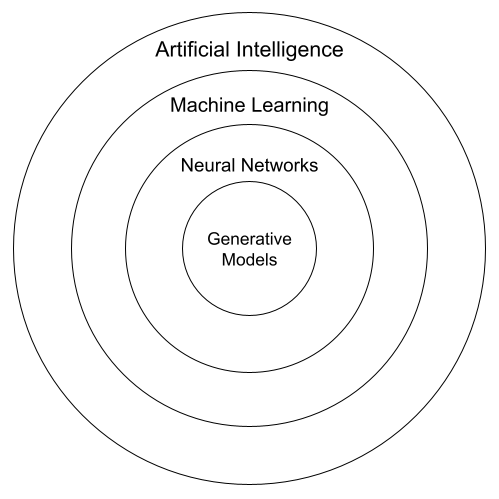
Artificial intelligence (AI) is a broad field about creating machines that can think or act intelligently. Within AI, there's a subfield called machine learning, where computers learn from data without being explicitly programmed for every task. Large Language Models, or LLMs, are a specific type of machine learning model at the forefront of AI today.
Large Language Model
noun
An AI model trained on vast amounts of text data to understand, generate, and interact with human language.
Think of an LLM as an advanced prediction engine for words. When you give it a prompt, it calculates the most probable sequence of words to come next, based on the patterns it learned from all the text it was trained on. This allows it to do everything from answering questions and writing emails to summarizing articles and even generating code.
How LLMs Are Built
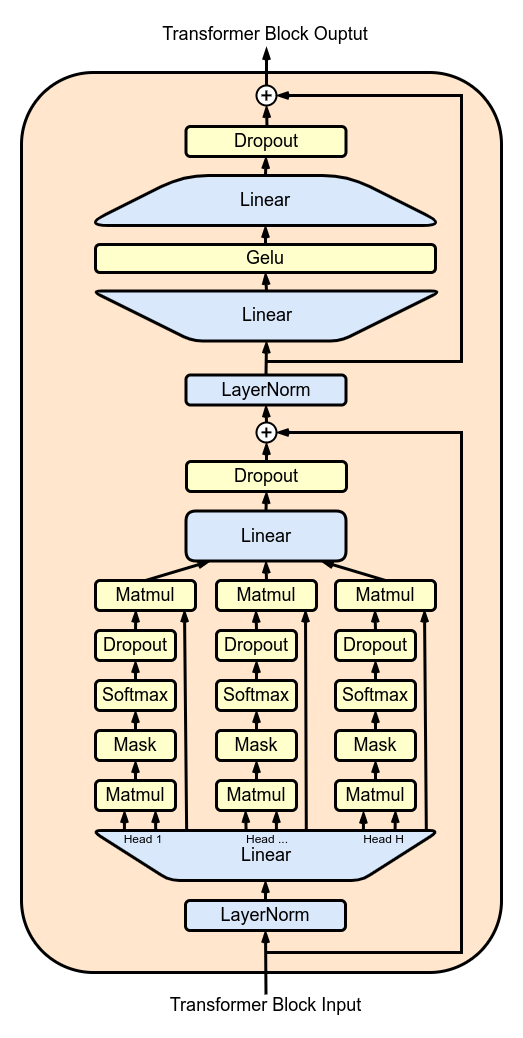
At their core, LLMs are built on a type of computer architecture called a neural network. These networks are inspired by the human brain, with interconnected nodes, or "neurons," that process information. For language, the most important breakthrough has been a specific neural network design called the Transformer architecture.
Introduced in 2017, the Transformer allows a model to weigh the importance of different words in a sentence. It excels at understanding context, even across very long paragraphs. This is why a model like GPT-4 can follow a conversation and remember details from earlier in the chat.
The key mechanism in the Transformer is called "attention." It lets the model pay special attention to relevant words when it's processing a piece of text, no matter where they are in the sequence.
A Transformer is made of many layers stacked on top of each other. Each layer refines the model's understanding of the text, allowing it to grasp complex grammar, style, and meaning.
The Training Process
Training an LLM is a massive undertaking that happens in a few key stages. It starts with pre-training.
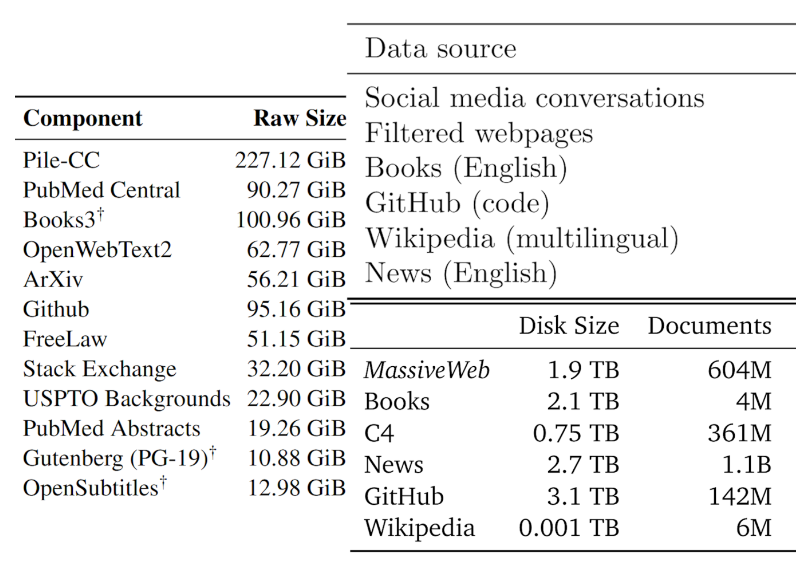
During pre-training, the model is fed a gigantic dataset containing text and code from the internet, books, and other sources—often totaling trillions of words. The model's goal is to simply predict the next word in a sequence. By doing this over and over, it learns grammar, facts, reasoning abilities, and different styles of writing.
After pre-training, the model is a powerful but raw tool. The next step is fine-tuning, which makes it more helpful and aligned with human values. A common technique is Reinforcement Learning from Human Feedback (RLHF).
In this phase, human reviewers rank different responses from the model. The model then uses this feedback to learn what makes an answer good, helpful, and safe. This process refines the model's behavior, teaching it to follow instructions, avoid harmful content, and have more natural conversations.
Capabilities and Limitations
LLMs are incredibly versatile. They can generate creative text, summarize complex topics, translate languages, and write code. They excel at tasks that involve manipulating and restructuring language-based information.
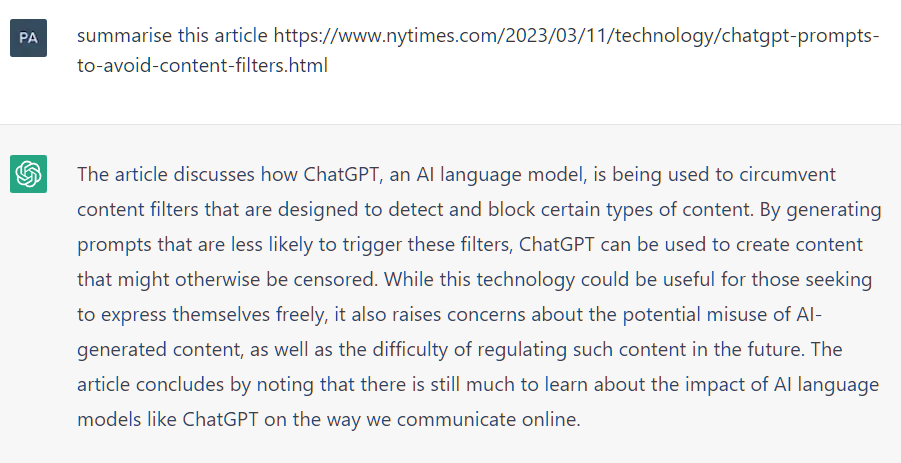
However, they also have significant limitations. One of the most well-known is "hallucination," where the model generates confident-sounding but incorrect or nonsensical information. This happens because the model is designed to produce plausible text, not to state verified facts. It doesn't have a true understanding of the world; it only knows the statistical patterns in its training data.
Other limitations include:
- Knowledge Cutoff: The model's knowledge is frozen at the time its training data was collected. It doesn't know about events that happened after that date.
- Bias: The model can reflect biases present in its training data, leading to stereotyped or unfair responses.
- Lack of Common Sense: While it can reason about abstract concepts, it sometimes struggles with basic common-sense reasoning that is obvious to humans.
Understanding these strengths and weaknesses is the first step to using these tools effectively.
Now let's test your understanding of these core concepts.
Which statement best describes the relationship between Artificial Intelligence (AI), Machine Learning (ML), and Large Language Models (LLMs)?
What is the primary function of the Transformer architecture in an LLM?
By grasping how these models are built and trained, you're better equipped to interact with them and start crafting prompts that get the results you want.