Mastering AI Prompts
Introduction to AI Models
What Is an AI Model?
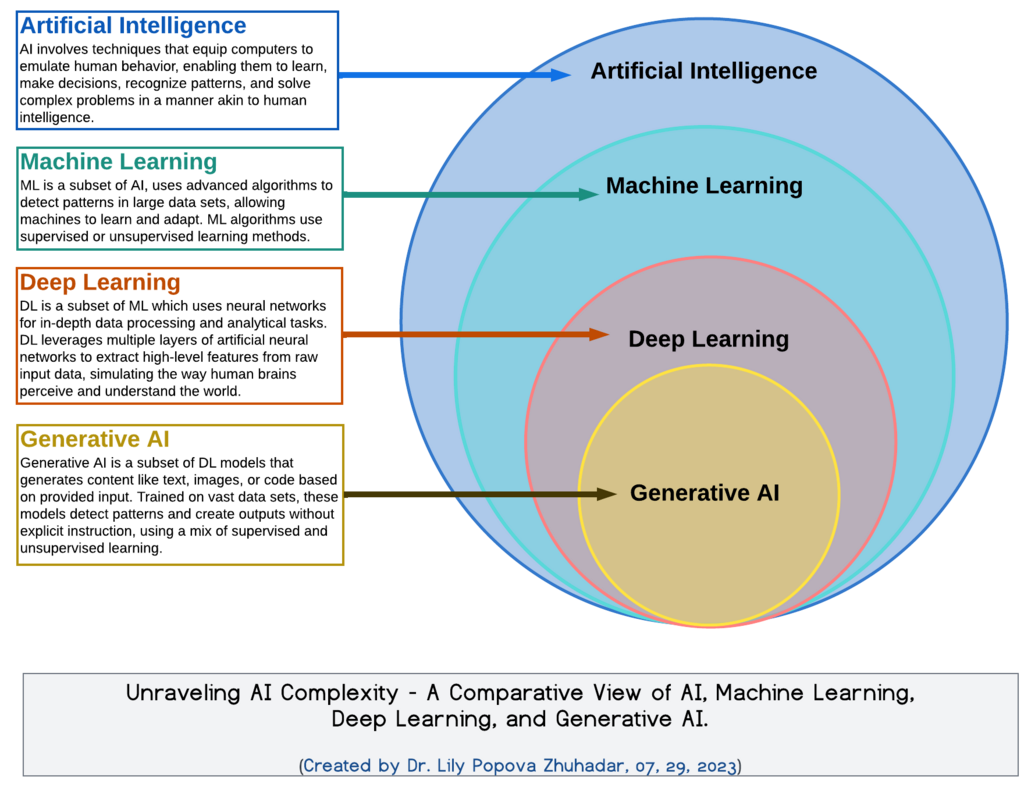
Think of an AI model as a specialized brain, trained for a specific purpose. It's not a physical brain, of course, but a complex computer program that has learned to recognize patterns from massive amounts of data. Just as you might learn to identify a cat by seeing thousands of pictures of cats, an AI model learns to identify patterns in text, images, or sounds by processing vast digital libraries of them.
This training allows the model to make predictions, generate new content, or answer questions. When you ask a chatbot a question, you're interacting with an AI model that has been trained on a huge portion of the internet's text. It uses that training to predict the most probable sequence of words that would form a good answer to your question.
How AI Models Process Information
AI models don't understand words or images the way humans do. For them, everything is numbers. When you give an AI a prompt, the first thing it does is translate your words into a series of numbers called a vector. This numerical representation captures the meaning and context of your input.
The model then processes these numbers through its millions or even billions of internal parameters, which are like adjustable knobs that have been tuned during its training. This process is essentially a sophisticated form of pattern matching. The model calculates the most likely sequence of numbers that should come next, based on the patterns it learned from its training data.
Finally, it translates this new sequence of numbers back into human-readable language, and that becomes the response you see on your screen. It's a bit like predicting the next word in a sentence. If you hear "The cat sat on the...", your brain immediately suggests "mat." An AI model does something similar, but on an incredibly massive scale for entire paragraphs of text.
Capabilities and Limitations
AI models are powerful tools, but they aren't magic. Understanding their strengths and weaknesses is key to using them effectively. They excel at tasks that involve processing and synthesizing large amounts of information quickly.
Models can summarize a dense research paper in seconds, write a poem in the style of Shakespeare, or translate between dozens of languages almost instantly.
However, they also have significant limitations. One of the most important to remember is that they don't possess true understanding or consciousness. Their intelligence is a reflection of the data they were trained on. This means they lack common sense and real-world experience. They can also be confidently incorrect, a phenomenon known as "hallucination," where the model generates plausible but completely false information.
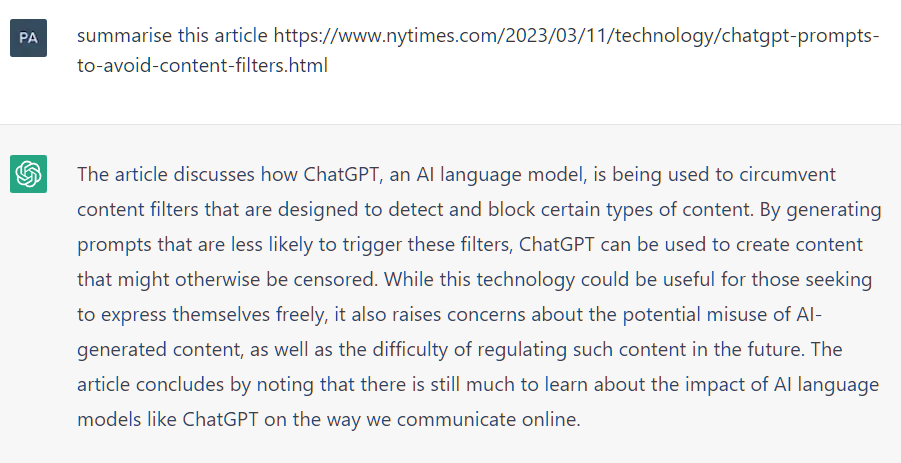
Furthermore, their knowledge has a cutoff date. A model trained on data up to 2023 won't know about major events from 2024. Finally, because they learn from human-created data, they can inherit and even amplify human biases related to race, gender, and culture.
| Capabilities | Limitations |
|---|---|
| Process & summarize vast data | Lack true understanding & common sense |
| Generate creative text & code | Can "hallucinate" false information |
| Translate languages | Knowledge is limited to its training data |
| Answer factual questions | Can reflect and amplify human biases |
Knowing these boundaries is the first step toward writing effective prompts and treating AI as a capable but imperfect assistant.
What is the primary way a large language model "learns"?
When you give a text prompt to an AI, what is the first step it takes?