Mastering AI Prompts
Introduction to AI and Prompt Engineering
What Is AI?
Artificial intelligence is the science of making machines that can think like humans. The goal is to create systems that can learn, reason, perceive, and even understand language. It's not a new idea—the concept has been around since the 1950s—but recent advancements have brought AI out of research labs and into our daily lives.
Think about the apps you use every day. When a streaming service recommends a movie you might like, that's AI. When your phone sorts photos by recognizing faces, that's also AI. These systems aren't just following a rigid set of pre-programmed instructions. They're using vast amounts of data to recognize patterns and make intelligent decisions, much like we do.
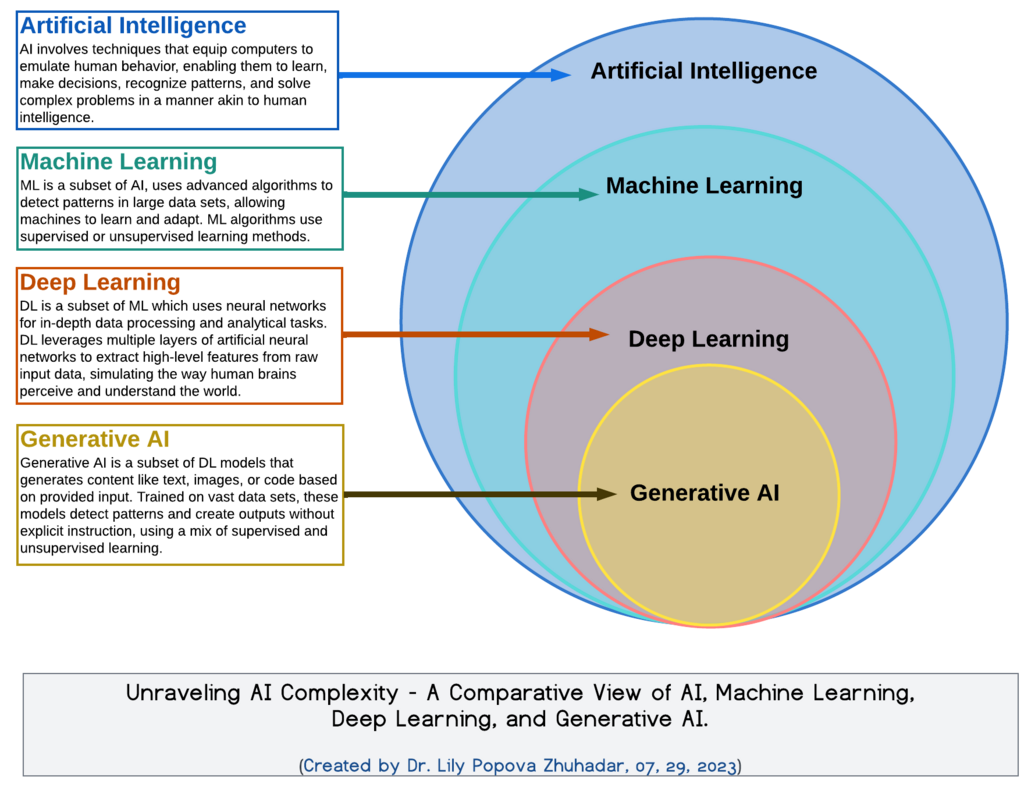
At its core, AI is about creating tools that can extend our own abilities. Just as a hammer extends the power of our arm, AI can extend the power of our mind, helping us solve complex problems in fields from medicine to finance.
Talking to Machines
As AI becomes more conversational, the way we interact with it has changed. We no longer need to write complex code to get a machine to perform a task. Instead, we can often just ask for what we want in plain language. But there's a skill to asking in the right way.
This skill is called prompt engineering. A prompt is simply the instruction you give to an AI. Prompt engineering is the art of crafting those instructions to get the most accurate, relevant, and useful response.
Prompt engineering is the practice of crafting a prompt for generative AI that produces a quality response.
Think of it like ordering coffee. You could just say, "Give me a coffee." You'd get something, but it might not be what you wanted. A better approach is to be specific: "I'd like a large iced latte with oat milk and one pump of vanilla syrup." The detailed instruction ensures you get exactly what you envisioned. Prompting an AI works the same way.
Crafting a Good Prompt
A good prompt is clear, specific, and provides enough context for the AI to understand your goal. Vague instructions lead to generic or irrelevant results. Let's look at an example.
A weak prompt: Write about dogs.
This is too broad. The AI doesn't know what to focus on. Should it write about dog breeds, dog training, or the history of dogs? The result will be a guess.
A strong prompt: Write a short, friendly paragraph for a 5th grader explaining why dogs are called 'man's best friend.' Mention their loyalty and historical relationship with humans.
This prompt is much more effective. It specifies the audience (a 5th grader), the format (a short paragraph), the tone (friendly), and the key information to include (loyalty and history). By providing these details, you guide the AI toward the exact output you need.
Mastering this skill is the first step in using AI effectively. It transforms AI from a novelty into a powerful tool for creativity and problem-solving.
What is the primary goal of artificial intelligence, as described in the text?
The text compares crafting a good AI prompt to what real-world activity?