Mastering AI Prompts
Introduction to AI Models
What Is an AI Model?
An Artificial Intelligence (AI) model is like a specialized brain trained to perform a specific task. It's not a physical robot, but a complex piece of software that learns from vast amounts of data. Think of training a dog. You show it examples, and over time, it learns to sit or fetch. Similarly, an AI model is shown millions of examples—like pictures, text, or sounds—until it learns to recognize patterns and make decisions on its own.
Artificial Intelligence
noun
A field of computer science dedicated to creating systems that can perform tasks that typically require human intelligence.
This learning process is part of a subfield called Machine Learning. The end result is the AI model, which can then be used for its trained purpose. For instance, a model trained on photos of cats can identify cats in new, unseen images. Another trained on countless books can write an email or a poem.
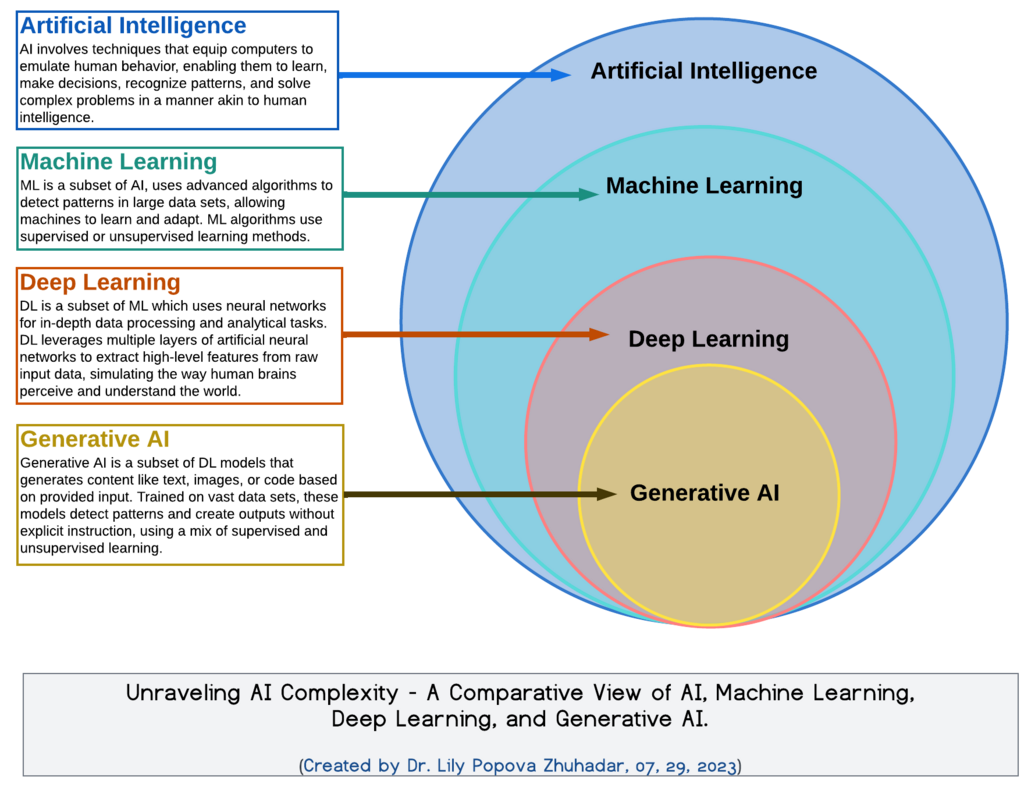
Models generally fall into two broad categories. Predictive models make forecasts based on data, like guessing which movies you'll like. Generative models, like ChatGPT or Midjourney, create new content, such as text, images, or music.
Capabilities and Limitations
AI models are incredibly powerful. They can process information at a scale and speed humans can't match. This makes them great for tasks like detecting fraudulent transactions, translating languages in real-time, or identifying diseases from medical scans. They excel at finding subtle patterns in massive datasets that would be invisible to us.
But they are far from perfect. An AI model only knows what it has learned from its training data. If the data is biased, incomplete, or outdated, the model's output will reflect those flaws. For example, if a model is trained primarily on data from one demographic, it may perform poorly for others.
AI models don't "understand" concepts in the human sense. They are masters of pattern recognition, not conscious thought. They can't feel, reason from first principles, or grasp true context.
This leads to some key limitations. AI can produce incorrect or nonsensical answers, sometimes called "hallucinations." It can also struggle with common sense and may fail at simple reasoning tasks that a child could solve. It's a tool, and like any tool, it has specific strengths and weaknesses.
The Role of Prompts
So, how do you interact with an AI model? You use a prompt. A prompt is simply the instruction, question, or input you give to the AI. The quality of your prompt directly influences the quality of the AI's response.
The key to effective AI use is in your prompts – the instructions you give the AI.
Communicating with an AI is a skill. A vague prompt will get a vague answer. A clear, specific, and context-rich prompt is more likely to yield a useful result. Think of it like giving directions. "Go downtown" is not very helpful. "Give me walking directions to City Hall at 123 Main Street, avoiding the park," is much better.
Effective prompting involves providing:
- Task: What do you want the AI to do? (e.g., summarize, translate, explain)
- Context: What background information does the AI need? (e.g., "I am a beginner programmer.")
- Format: How should the output be structured? (e.g., a bulleted list, a table, a short paragraph)
Learning to write good prompts is the first step toward unlocking the full potential of any AI model.
What is the best description of an Artificial Intelligence (AI) model?
An AI that suggests which song you might like next is an example of a _______ model, while an AI that writes a new song is an example of a _______ model.
Mastering these fundamentals is the key to working effectively with AI.