Mastering AI Prompts
Introduction to AI Models
What Is an AI Model?
Think of an AI model as a highly specialized brain. It’s not a physical brain, but a complex piece of software designed to find patterns in vast amounts of information. This software is often built using what’s called a neural network, which is loosely inspired by the connections in a human brain.
During a process called training, developers feed the model enormous datasets—like a huge portion of the internet, countless books, and millions of images. The model sifts through all this data, learning the relationships between words, the rules of grammar, visual styles, and concepts. It isn't memorizing facts but learning the underlying structures.
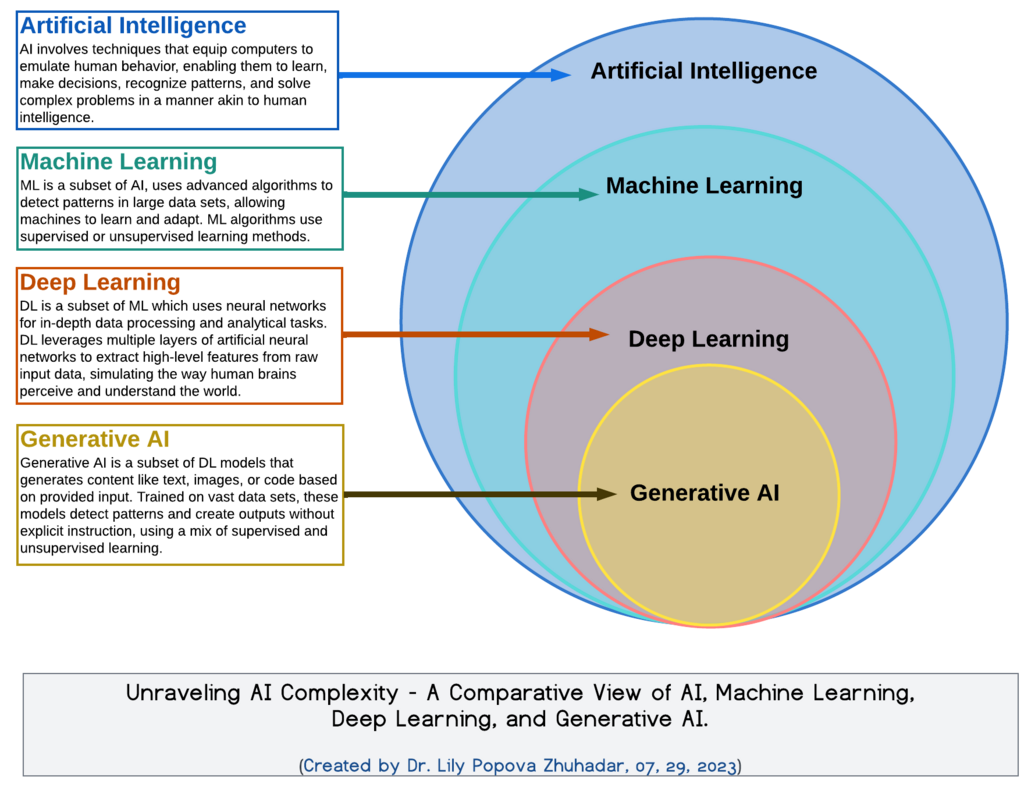
This pattern-matching ability is what allows an AI model to understand a question you ask, generate a story, create an image from a description, or even write code. It's a powerful tool for processing and creating information.
How Models Process Information
An AI model doesn't "think" or "understand" in the human sense. Its process is more like a sophisticated prediction game. When you give it an instruction, or a prompt, it follows a clear path from input to output.
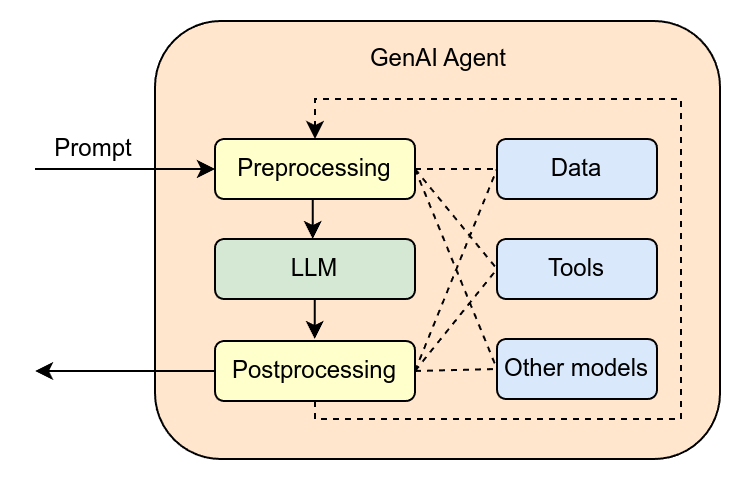
The journey starts with your prompt. The model first breaks down your request into a format it can work with. This is the preprocessing step. Then, the core of the model, often a Large Language Model (LLM), gets to work. It uses its training to calculate the most probable sequence of words or pixels that should follow your input. It builds its response one piece at a time, constantly asking, "Based on everything I've learned and the prompt so far, what comes next?"
Finally, this raw output goes through a postprocessing phase, where it's cleaned up and formatted into a coherent, readable answer. It all happens in seconds, but it's a step-by-step statistical process, not a flash of creative insight.
The prompt is your way of starting the conversation. It sets the context and direction, guiding the model's powerful prediction engine toward the specific output you need.
Common AI Applications
AI models are no longer just research projects. They're integrated into tools many of us use every day. The most visible examples are conversational AI and chatbots.

Beyond chatbots, AI models power a wide range of applications:
- Content Creation: Writing emails, summarizing long documents, and generating marketing copy.
- Image Generation: Creating artwork, photorealistic images, and designs from text descriptions.
- Language Translation: Instantly translating text and speech between dozens of languages.
- Code Assistants: Helping programmers write, debug, and optimize code more quickly.
- Personalized Recommendations: Suggesting what movie to watch or what product to buy based on your past behavior.
In each case, the user provides a prompt—whether a question, a command, or just their viewing history—and the model generates a relevant output.
According to the text, what is the fundamental process AI models use during training?
An AI model's process is best described as a sophisticated prediction game, not genuine understanding.
Now you have a foundational understanding of what AI models are and how they work. This is the first step toward learning how to interact with them effectively.