Mastering AI Prompt Engineering
Introduction to AI Models
What is an AI Model?
At its heart, an artificial intelligence (AI) model is a sophisticated program designed to recognize patterns. Think of it less like a traditional computer program that follows rigid instructions and more like a student that learns from vast amounts of information.
Instead of a programmer writing code for every possible situation, a model is “trained” on data. Through this training, it learns to make predictions, generate content, or classify information on its own. The field of AI is broad, but the models we'll focus on are a specific type that fall under the umbrella of Machine Learning.
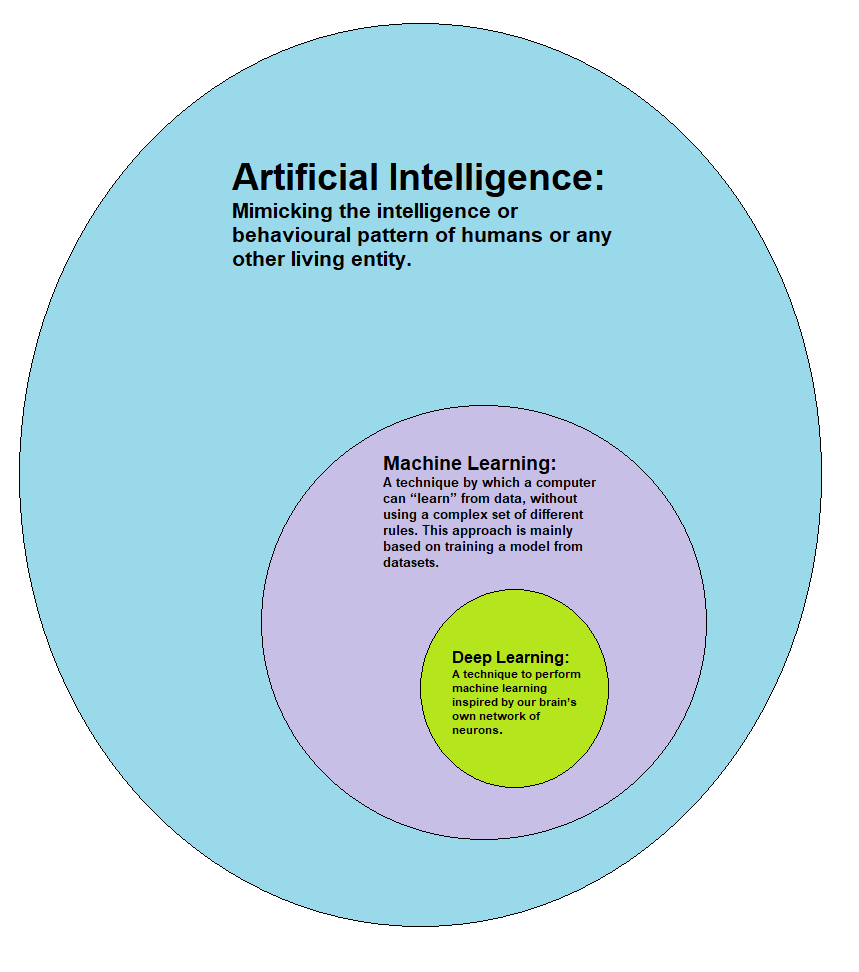
Machine Learning is a technique where computers learn from data without being explicitly programmed for every task. A special subset of this is Deep Learning, which uses complex structures called neural networks, inspired by the human brain, to find intricate patterns in data. Large Language Models (LLMs) are a product of deep learning.
Enter the Large Language Model
A Large Language Model, or LLM, is a type of AI specifically trained to understand and generate human language. Let's break down the name.
Large: This refers to both the size of the model itself (billions of internal parameters) and the enormous amount of text data it was trained on—essentially a huge portion of the internet, books, and other text sources.
Language Model: This means its primary function is to work with language. At its core, an LLM is a powerful prediction engine. After analyzing all its training data, it becomes incredibly good at one main task: predicting the next word in a sequence of words.
When you give a prompt to an LLM like GPT-4, it isn't 'thinking' in a human sense. It's making a highly educated guess about what word should come next, based on the patterns it learned from billions of examples.
This simple-sounding ability—predicting the next word—is what allows LLMs to write essays, answer complex questions, translate languages, and even generate computer code. Each word it generates is added to the sequence, and it then predicts the next word, continuing this process until the thought is complete.
Where are LLMs Used?
Because they are so versatile with language, LLMs are being integrated into countless fields. You've likely already interacted with them without even realizing it.
Customer Service: Many chatbots that provide instant support on websites are powered by LLMs. They can answer common questions, guide users through troubleshooting, and escalate issues to a human agent when necessary.
Content Creation: Marketers, writers, and developers use LLMs to draft emails, generate blog post ideas, write product descriptions, and even create code snippets. They act as a powerful assistant to overcome writer's block and speed up workflows.
Healthcare: Doctors and researchers are exploring using LLMs to summarize patient records, analyze medical research papers, and even assist in diagnosing conditions by quickly parsing through patient data and known medical literature. This can help medical professionals make faster, more informed decisions.
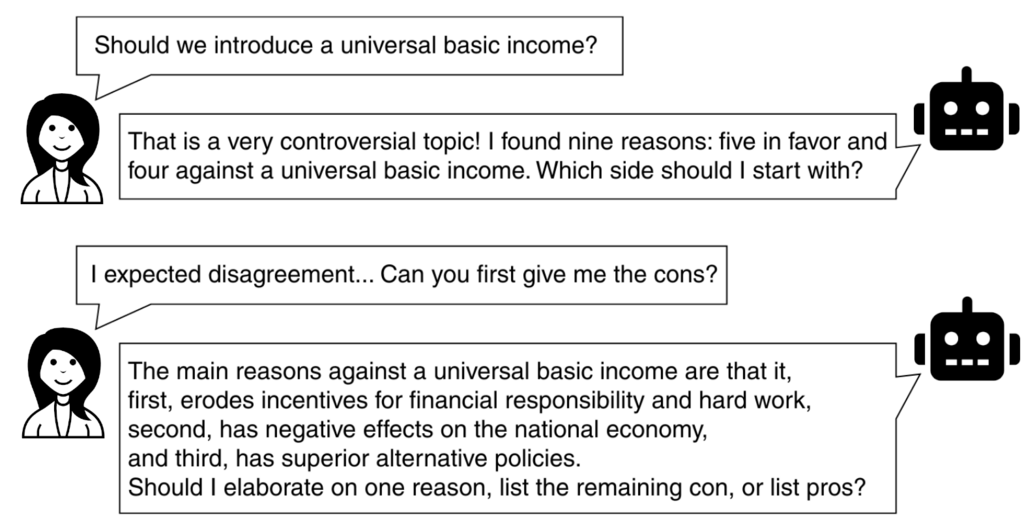
Education: LLMs serve as personalized tutors, explaining difficult concepts in different ways, quizzing students on material, and helping with homework. They offer a way to get immediate help and explore topics more deeply.
Understanding this foundation—that an LLM is a pattern-matching, next-word-predicting machine—is the first step to mastering how to interact with it. The way you phrase your request directly influences the patterns it draws upon to generate a response.
Let's check your understanding of these core ideas.
What is the fundamental difference between an AI model and a traditional computer program?
At its most fundamental level, what is the primary task a Large Language Model (LLM) is trained to perform?
Now you have a solid grasp of what AI models and LLMs are. This knowledge is the key to crafting effective prompts.