Mastering AI Prompt Engineering
Introduction to AI Prompt Engineering
What Is Prompt Engineering?
Ordering coffee is a simple task, but the details matter. If you just say "give me coffee," you might get a plain black coffee when you wanted a vanilla latte with oat milk. To get what you want, you need to be specific. Interacting with AI is similar. The instructions you provide are called prompts, and the skill of crafting effective instructions is called prompt engineering.
Prompt engineering is the practice of designing inputs (prompts) to guide AI models toward producing desired outputs.
Think of it as learning how to have a clear conversation with an AI. These systems aren't mind readers; they rely entirely on the prompts they're given to understand what you need. A well-crafted prompt acts like a precise set of directions, guiding the AI to the exact destination you have in mind. A vague prompt is like pointing in a general direction and hoping for the best.
Why Prompts Matter
Artificial intelligence, especially large language models (LLMs), works by processing an input (your prompt) and generating an output based on the patterns it learned from vast amounts of data. The quality of the output is directly tied to the quality of the input. If you give the model a lazy, unclear prompt, you'll get a generic, unhelpful response.
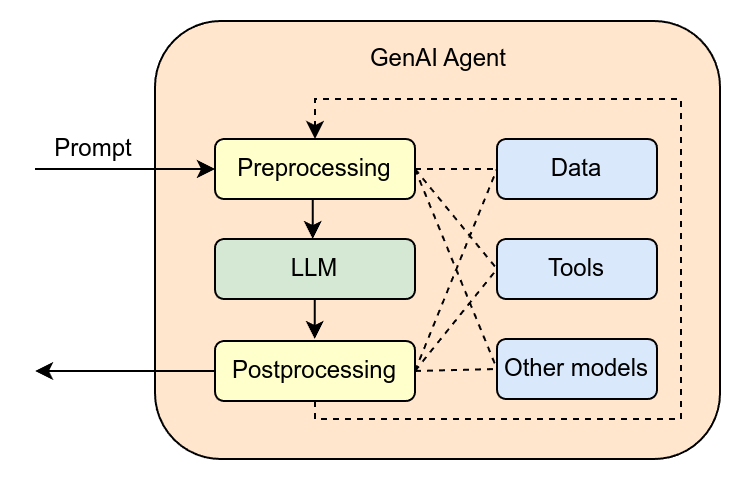
The difference between a good and a bad prompt can be dramatic. Let's look at an example. Imagine you want the AI to help you write about a topic.
| Prompt Quality | Example Prompt | Likely Outcome |
|---|---|---|
| Poorly Crafted | "Write about electric cars." | A generic, unfocused summary about the history and function of electric cars. |
| Well-Crafted | "Write a three-paragraph summary for a general audience explaining the environmental benefits of electric cars compared to gasoline cars. Focus on emissions and renewable energy sources." | A targeted, clear explanation that directly addresses the specific points requested, tailored to the intended audience. |
The well-crafted prompt provides context (for a general audience), specifies a format (three paragraphs), and clarifies the exact topics to cover. This specificity is the key to getting useful results from an AI.
The Goal of a Good Prompt
Effective prompt engineering isn't about trying to trick the AI. It's about communicating clearly to achieve your goals efficiently. The primary goals are to achieve precision, consistency, and efficiency in the AI's responses.
Precision: The AI's output is accurate and directly addresses what you asked for.
Consistency: You can get reliable and predictable results every time you use a similar prompt.
Efficiency: You get the desired output with minimal back-and-forth, saving you time and effort.
By mastering the basics of how to structure your requests, you turn the AI from a simple novelty into a powerful and reliable tool. Learning to write good prompts is the foundation for unlocking the full potential of any AI system you work with.
Now, let's test your understanding of these core concepts.
In the context of artificial intelligence, what is a "prompt"?
Why is the quality of an AI's output directly tied to the quality of the prompt?
Building a solid foundation in prompt engineering will help you get the most out of AI tools.