Mastering AI Infrastructure Lifecycle
AI Infrastructure Lifecycle
The AI Infrastructure Lifecycle
Building and managing AI infrastructure isn't a one-time project. It's a continuous cycle that evolves with business needs and technological advancements. Thinking of it as a lifecycle helps ensure that AI systems remain effective, relevant, and aligned with their original goals over time. This process involves distinct stages, from initial planning to eventual retirement, with feedback loops that inform each step.
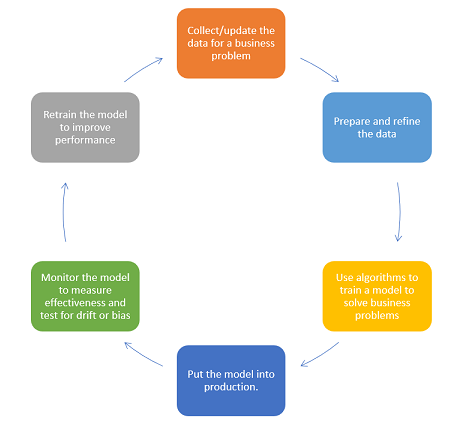
Each phase presents its own challenges and requires careful management. A structured approach prevents costly mistakes and ensures the infrastructure can scale and adapt.
Planning and Design
Every successful AI initiative begins with a clear plan. The first step is to align the AI strategy with core business objectives. This means moving beyond the technology and asking fundamental questions: What specific problem are we trying to solve? How will this AI system create value? What does success look like, and how will we measure it? Answering these questions ensures the project has a clear purpose and avoids building powerful systems that don't address a real need.
Once the strategic goals are defined, the design phase begins. This is where the architectural blueprint is created. Key decisions include whether to use cloud-based services, on-premise hardware, or a hybrid approach. This phase also involves establishing a robust governance framework. This isn't just about security; it's about setting the rules for data handling, model validation, and ethical oversight. A strong governance plan, established early, is crucial for managing risk and ensuring compliance.
The 'Design' phase highlights the importance of contextualising a problem description by reviewing public domain and service-based literature on state-of-the-art AI applications, algorithms, pre-trained models and equally importantly ethics guidelines and frameworks, which then informs the data, or Big Data, acquisition and preparation.
Deployment and Operation
Deployment is where the theoretical design becomes a functional system. This phase involves integrating the AI model and its supporting infrastructure into the existing operational environment. It's a critical step that requires careful coordination between data science, IT, and business teams to ensure a smooth transition. The goal is to make the AI system a seamless part of the daily workflow.
After deployment, the system enters the operation and monitoring stage. This is the longest phase of the lifecycle. The work isn't over once the system is live; it has just begun. Continuous monitoring is essential to track performance, availability, and resource consumption. Is the model performing as expected? Are there signs of model drift, where its accuracy degrades over time as new data comes in? Regular evaluation ensures the AI continues to deliver value and allows for proactive maintenance.
Implementing responsible AI practices is a key part of this phase. This means actively monitoring for bias, ensuring the system's decisions are explainable, and protecting user privacy. These aren't one-time checks but ongoing processes that build trust and mitigate ethical and legal risks.
Optimisation and Retirement
No system is static. The insights gained from monitoring feed directly into the optimisation phase. This might involve retraining the model with new data, tuning its parameters for better performance, or updating the underlying hardware and software. This iterative process of monitoring and optimising keeps the AI system effective and efficient.
Eventually, an AI system may no longer be needed. The business problem it solved might have changed, or a more advanced technology may have become available. The final stage is decommissioning, or retirement. This must be handled carefully to ensure a smooth transition. Data needs to be securely archived or deleted according to governance policies, and dependencies with other systems must be safely unwound. A planned retirement prevents disruptions and securely closes the loop on the infrastructure's lifecycle.
Let's review what we've covered.
Why is it beneficial to treat AI infrastructure management as a continuous lifecycle rather than a one-time project?
In the context of the AI infrastructure lifecycle, what is 'model drift'?
Understanding this lifecycle provides a roadmap for managing complex AI systems from start to finish.