Mastering AI Image Generation Prompts
Introduction to AI Image Generation
From Words to Pictures
At its core, AI image generation is about turning language into pictures. You give the computer a textual description, called a prompt, and it creates an image based on that description. It’s like having an incredibly fast, imaginative artist who can draw anything you can describe, from a simple “red apple on a table” to a fantastical “astronaut riding a horse on Mars in the style of Van Gogh.”
This isn't just about sticking together photos. The AI models, such as DALL·E, Midjourney, and Stable Diffusion, have been trained on vast libraries of images and their corresponding text descriptions. They learn the relationships between words and visual concepts, understanding not just objects but also styles, moods, and compositions. When you give them a prompt, they use this learned knowledge to generate a completely new image from scratch.
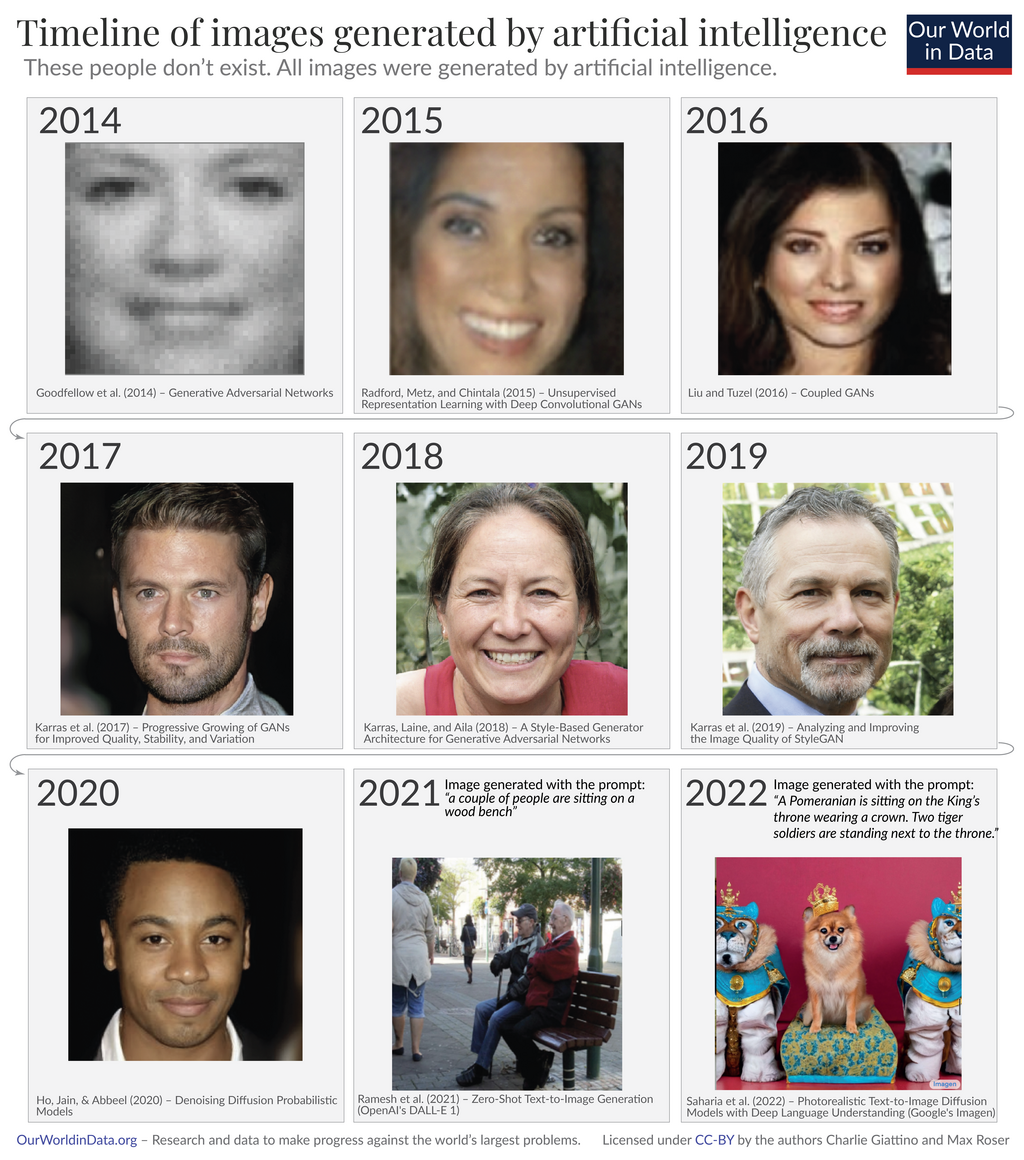
The technology has evolved at a breathtaking pace. What started as blurry, abstract attempts to interpret text has quickly become a field producing photorealistic and artistically complex images. Early models could produce recognizable but often distorted faces. Today’s models can render intricate scenes with stunning detail, a testament to the rapid advancements in artificial intelligence.
The Art of the Prompt
The single most important skill for using these tools is learning how to write good prompts. The AI is a powerful engine, but you are the driver. The quality of your output depends directly on the quality of your input. This practice is often called prompt engineering.
A simple prompt like “a cat” will give you a cat, but it might be a cartoon, a photo, or a painting. The AI makes its own choices. A more detailed prompt specifies exactly what you want to see.
Consider the difference:
- Simple prompt: “A dog.”
- Detailed prompt: “A photorealistic image of a golden retriever puppy sitting in a green field, happily chewing a red ball, with warm afternoon sunlight.”
The second prompt provides the AI with much more to work with. It specifies the subject (golden retriever puppy), the setting (green field), the action (chewing a red ball), and even the lighting and mood (warm afternoon sunlight). The more specific and descriptive you are, the more likely the AI is to produce an image that matches your vision.
Perhaps the most important step in using generative AI is to first learn how to appropriately and effectively use these tools, which includes developing skills for effectively writing prompts—also known as prompt engineering.
Learning to communicate clearly with an AI is the foundation of image generation. It’s a creative partnership between human language and machine interpretation. As you get started, focus on being descriptive and clear in your prompts to guide the AI toward the results you imagine.